
Check out what’s clicking on FoxBusiness.com.
**Key Takeaways:**
1. **Waymo Recall Highlights AV Safety Hurdles:** Alphabet’s autonomous driving subsidiary, Waymo, has issued a significant recall affecting nearly 3,800 vehicles due to a software defect related to flooded road conditions, underscoring the ongoing technical and safety challenges in achieving widespread Level 4/5 autonomy.
2. **Proactive Response Mitigates Immediate Impact:** Waymo’s ability to implement an immediate over-the-air software update across its entire fleet, facilitated by its full ownership model, allowed for a rapid resolution of the identified defect, potentially limiting severe reputational and financial fallout compared to traditional automotive recalls.
3. **Increased Regulatory Scrutiny on the Horizon:** This incident, alongside others in the autonomous vehicle (AV) sector, signals a continued tightening of regulatory oversight from agencies like NHTSA, which could influence future development timelines, testing requirements, and the eventual commercialization path for all players in the burgeoning AV market.
The autonomous vehicle (AV) sector, a cornerstone of future mobility and a significant investment area for tech giants, is once again under the microscope as Waymo, a subsidiary of Alphabet (NASDAQ: GOOG, GOOGL), announced a recall of its entire fleet of 3,791 autonomous vehicles. This proactive measure, stemming from a software defect related to handling flooded road conditions, serves as a stark reminder of the complex safety hurdles and regulatory pressures facing the industry as it strives for widespread adoption.
The National Highway Traffic Safety Administration (NHTSA) detailed the recall in a May 6 report, citing an incident where a driverless Waymo vehicle failed to come to a complete stop after encountering standing water on a high-speed roadway. This scenario, according to NHTSA, “can cause a loss of vehicle control, increasing the risk of a crash or injury,” a critical safety concern for any vehicle, let alone one operating autonomously. The recall specifically covers vehicles equipped with Waymo’s 5th and 6th generation Automated Driving Systems (ADS), with regulators estimating a striking 100% defect rate for the software flaw across the identified fleet.
This incident adds to a series of high-profile challenges that have beset the AV industry in recent months, keeping investor confidence on edge. While Waymo operates what is often considered one of the most advanced and rigorously tested autonomous driving systems, the recall illustrates that even industry leaders are not immune to unforeseen real-world scenarios that expose system vulnerabilities. For Alphabet, whose “Other Bets” segment, including Waymo, continues to incur substantial operating losses while promising future disruptive potential, such recalls introduce additional scrutiny on the path to profitability and scalability.
WAYMO TO BRING DRIVERLESS CARS TO CHICAGO, EYES MIDWEST EXPANSION
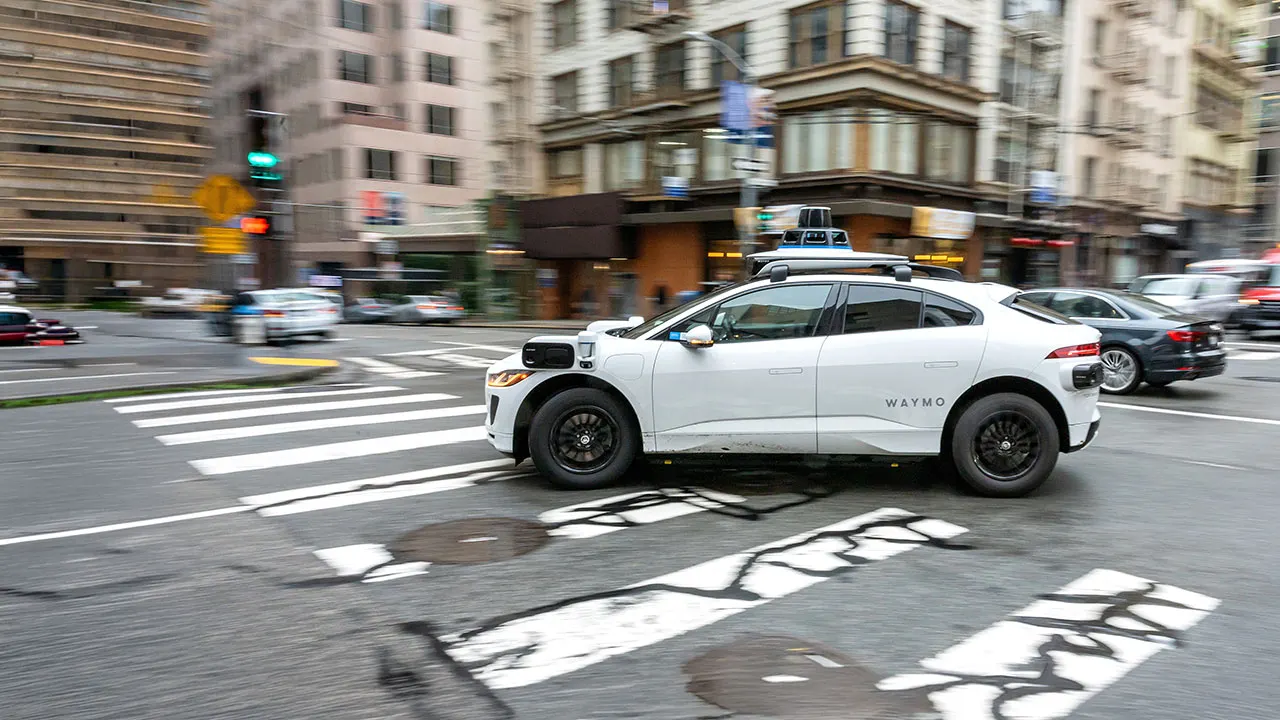
A Waymo autonomous taxi on Bush Street in San Francisco, California, US, on Dec. 17, 2025.(David Paul Morris/Bloomberg via Getty Images / Getty Images)
Waymo’s operational footprint spans thousands of vehicles across major U.S. cities, including tech-centric hubs like San Francisco and Los Angeles, as well as Phoenix and Austin. The promise of driverless ride-hailing and logistics services represents a multi-trillion-dollar market opportunity, driving significant capital allocation from Waymo’s parent company, Alphabet. However, each safety incident, irrespective of its severity, prolongs the timeline for widespread commercialization and requires further investment in R&D and safety validation.
The specific defect manifested when a Waymo robotaxi approached standing water on higher-speed roads. While the vehicle correctly detected the water and slowed down, its software failed to command a complete stop, leading to the risk of hydroplaning or loss of control. The initial incident occurred on April 20, involving an unoccupied Waymo vehicle encountering an “untraversable flooded section” on a road with a 40 mph speed limit. This highlights the intricate challenges of programming AVs to safely navigate unpredictable environmental conditions that even human drivers often struggle with.
Waymo’s response was notably swift. On the very day of the incident, April 20, the company implemented immediate operational restrictions to mitigate risk in inclement weather. These included crucial updates to weather-related controls and enhancements to the mapping systems used by its vehicles, designed to better identify and avoid hazardous road conditions. This agility in response, particularly the ability to deploy software updates instantaneously across an entire controlled fleet, offers a distinct advantage over traditional automakers who must coordinate recalls with millions of individual vehicle owners.
TESLA DODGES CALIFORNIA LICENSE SUSPENSION AFTER DROPPING MISLEADING ‘AUTOPILOT’ MARKETING TERMS
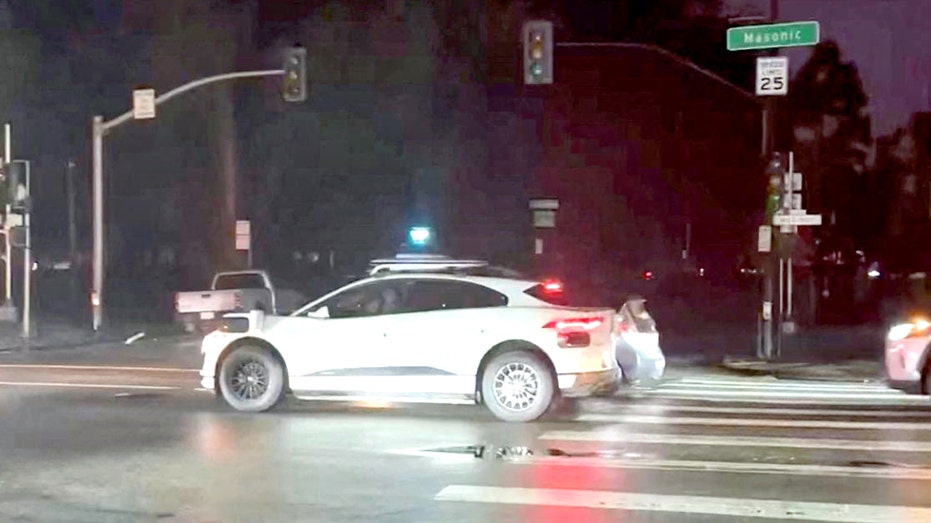
A Waymo car is halted on the road amid a power outage in San Francisco, California, U.S., December 20, 2025.(Reuters / Reuters Photos)
All affected vehicles received an interim software update by April 20, 2026, which is an impressive turnaround for a recall of this scale, emphasizing the centralized control Waymo maintains over its assets. Waymo then formally initiated the recall process with NHTSA on April 24, demonstrating compliance with regulatory protocols even after a de facto remedy was already in place. Federal regulators confirmed that the affected vehicles were manufactured between March 17, 2022, and April 20, 2026.
| Ticker | Security | Last | Change | Change % |
|---|---|---|---|---|
| GOOG | ALPHABET INC. | 383.82 | -2.95 | -0.76% |
The financial implications of such recalls, while potentially less direct in terms of consumer compensation due to Waymo’s ownership model, still carry significant costs. These include engineering resources dedicated to identifying and fixing the bug, extensive re-testing and validation, potential slowdowns in expansion plans, and the intangible yet crucial cost of reputational damage. Investor confidence in the long-term viability and safety of autonomous technology can be fragile, and each incident, even if swiftly handled, can chip away at the narrative of inevitable progress.
CLICK HERE TO GET FOX BUSINESS ON THE GO
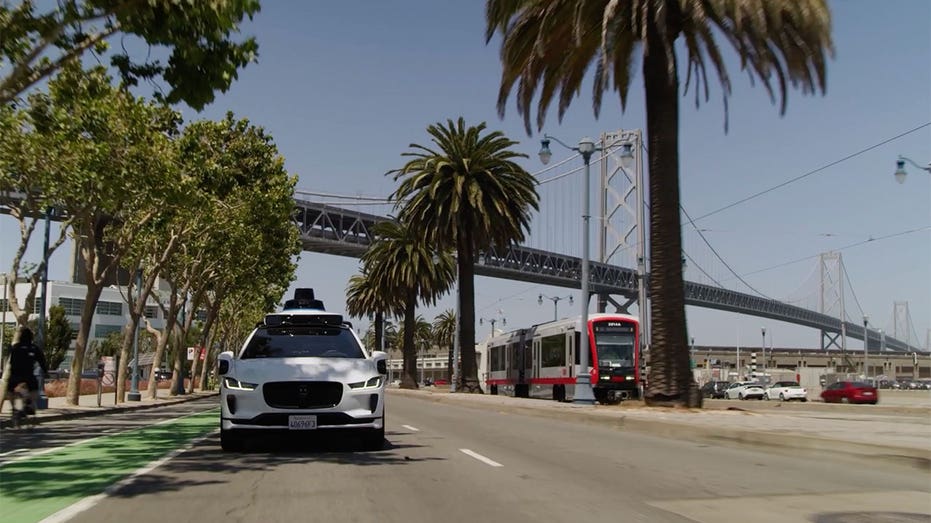
Waymo operates across several major U.S. cities, including San Francisco, Los Angeles, Phoenix and Austin.(Source: Waymo)
Crucially, because Waymo owns its entire fleet of nearly 3,800 affected units, the company was able to apply an interim remedy immediately through over-the-air software updates without the need for traditional consumer notifications or service center visits. This model minimizes logistical complexity and ensures a rapid fleet-wide fix, a significant operational advantage compared to legacy automakers. However, the fundamental challenge remains: developing an ADS capable of safely handling the infinite variability of real-world driving conditions.
Owners seeking additional information may also contact the NHTSA Vehicle Safety Hotline at 1-888-327-4236 or go towww.nhtsa.gov.The AV industry as a whole, including competitors like Cruise (General Motors) and Tesla, continues to face rigorous examination from regulators and the public. This Waymo recall underscores that while progress is being made, the road to fully autonomous, universally trusted transportation is long and paved with complex engineering and regulatory challenges that demand continuous vigilance and adaptation.
Market Impact:
The Waymo recall, while swiftly addressed by its parent Alphabet, could introduce a slight tremor into investor sentiment regarding the autonomous vehicle sector’s near-term profitability and scalability. While Alphabet’s robust balance sheet can easily absorb the operational costs associated with this recall, the incident contributes to the narrative of prolonged investment cycles and higher regulatory risk for Waymo, a key component of Alphabet’s “Other Bets” portfolio. For GOOGL shares, the immediate impact is likely minimal given the company’s diversified revenue streams, but persistent safety incidents across the AV industry could lead to a broader re-evaluation of valuation multiples assigned to future AV-driven growth. Increased regulatory scrutiny from NHTSA could translate into more stringent testing requirements and slower deployment timelines for all AV players, potentially delaying the anticipated revenue inflection point for the sector and prompting investors to demand greater transparency and faster progress on safety milestones.