
Babcock Reports Strong International Growth in Maritime and Submarine Support Sectors
Babcock International Group PLC has detailed an expansion of its international maritime portfolio, centered on its Arrowhead 140 frigate design and its extensive submarine support operations. These developments were outlined in the company’s full-year results for the twelve months ending 31 March 2026, highlighting a period of significant contract activity across multiple global regions.
A central component of Babcock’s international strategy is a Maritime Partnership Programme framework agreement signed in November 2025 with the Indonesian Government. This agreement is valued at up to £4 billion. Following this, Indonesia has issued a Letter of Intent for two additional Arrowhead 140 frigate licenses, with formal agreements anticipated in the coming months. Discussions are ongoing regarding the broader structure of the programme, which encompasses maritime defense, security, and modernization initiatives. This agreement positions Babcock as a significant partner in Indonesia’s naval development plans.
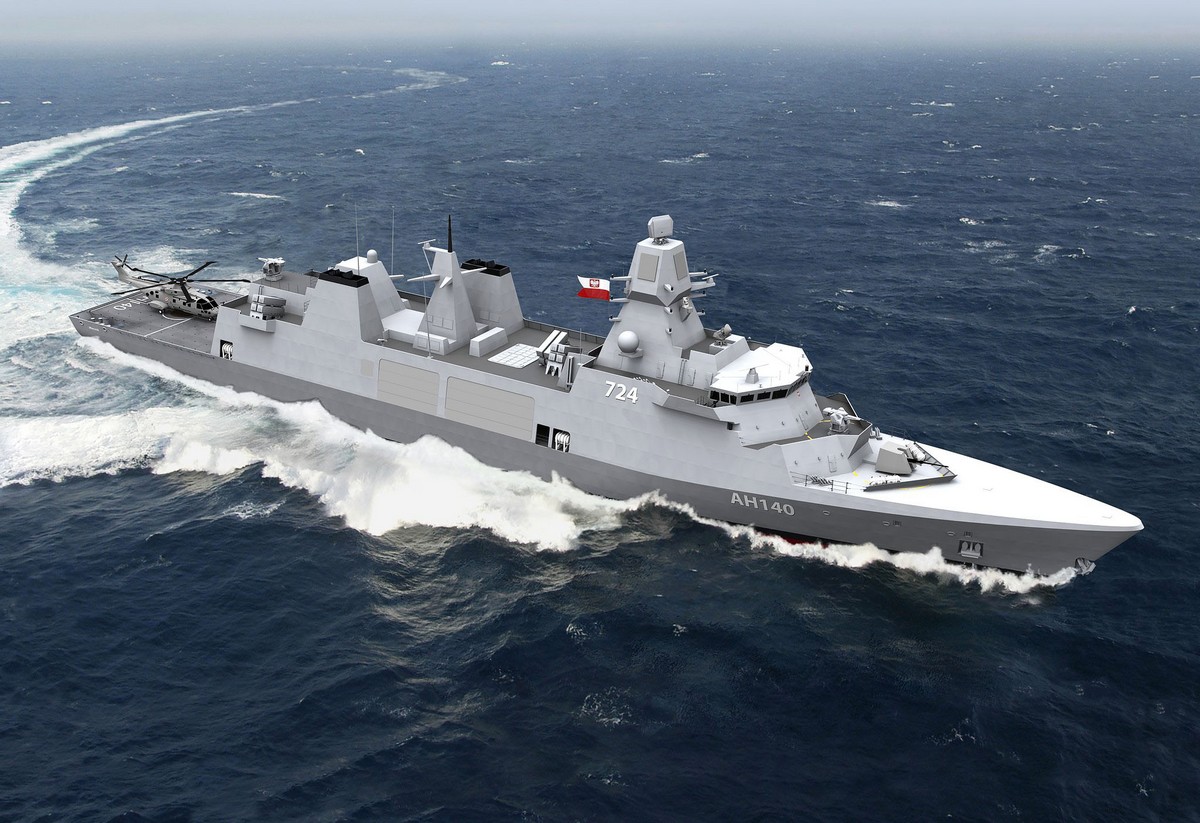
The Arrowhead 140 design, which serves as the foundation for the Royal Navy’s Type 31 Inspiration Class frigates currently under construction at Rosyth, is also being considered by Denmark. Babcock has indicated it is awaiting an announcement from the Danish Government regarding its preferred naval platform. In Sweden, Babcock confirmed that its Arrowhead 120 design was not selected as the preferred bidder for the Luleå Class surface combatant programme, following a decision in late May 2026. Separately, in Poland, Babcock entered into a strategic cooperation agreement with PGZ SA. This collaboration covers areas such as naval design, construction, maintenance, sustainment for military aircraft, and strategic asset management for the Polish armed forces, indicating a broad engagement in Poland’s defense infrastructure.
Babcock’s submarine business experienced notable international advancements. Its partnership with the US shipbuilder HII was expanded, granting Babcock authorization to support the Virginia Class nuclear submarine build programme. This expansion means Babcock is now permitted to manufacture complex submarine assemblies at its advanced manufacturing facility in Rosyth, Scotland. An initial engineering contract for this work is underway, with potential for significant growth over time. Furthermore, H&B Defence, a joint venture between Babcock and HII, secured its inaugural contract under the Australian Submarine Supplier Qualification pilot programme. This programme is designed to integrate Australian suppliers into the US submarine supply chain. The first Australian supplier received a Request for Quotation for the Virginia Class programme through this pathway in August 2025.
In Canada, Babcock formed a teaming agreement with Hanwha Ocean. This agreement focuses on in-service support for the Canadian Patrol Submarine Project, an initiative under which Canada intends to acquire its next-generation conventionally-powered submarines. Hanwha Ocean is one of two shortlisted suppliers for this project. Concurrently, Babcock continues its work on the Extended Docking Work Period for HMCS Victoria and provides support to the Fleet Maintenance Facility Cape Scott, where HMCS Windsor’s docking period is being undertaken.
South Africa represents a new market entry for Babcock, as the company secured its first defense contract in the country. This contract involves the survey and refit of two submarines at Simonstown Dockyard, along with provisions for spares and product supply. This marks Babcock’s formal entry into the South African defense sector.
Domestically, Babcock’s naval support work in the UK also saw developments towards the close of the financial year. The company agreed to a six-month bridging arrangement with the UK Ministry of Defence (MOD) under the £3.5 billion Future Maritime Support Programme. This arrangement is intended to ensure continuous support for the nuclear submarine fleet and naval base management services. The MOD has also signed a Letter of Intent to finalize a multi-year replacement contract, known as Gateway, by October 2026. Additionally, Babcock secured a two-year extension for critical Royal Navy surface ship maintenance and infrastructure support. The company’s Mission Systems business achieved its third renewal contract for in-service Royal Navy submarine effector systems, valued at £110 million over a nine-year period.
Looking to future prospects, Babcock has identified significant long-term opportunities arising from the AUKUS partnership. These opportunities include involvement in supply chain development, training, infrastructure, and support services related to Australia’s evolving nuclear submarine capability under Pillar I of the agreement. In May 2026, the AUKUS partner nations signed the first Pillar II project, which focuses on enabling systems for Uncrewed Undersea Vehicles. Babcock continues to deploy specialists to Australia to support Astute Class submarine maintenance, in preparation for Submarine Rotational Force-West activities scheduled to commence from 2027.
David Lockwood, Babcock’s chief executive, who is scheduled to retire later in the year, commented on the company’s performance against a backdrop of global shifts. He stated, “Against an increasingly uncertain geopolitical backdrop, Babcock has delivered continued strategic and operational progress,” further adding that the group had secured “important contract wins that further strengthen our position in defence and nuclear markets, where long-term demand is increasingly structural.”
On the civil side of its Marine division, Babcock’s Liquid Gas Equipment business completed 42 projects during the year. These projects encompassed cargo handling and fuel gas supply systems for various carriers, including those for LPG, LNG, CO2, and ethane. Notably, this included the cargo handling system for what the company described as a world-first CO2 carrier. The business also recorded its 150th ecoSMRT order for LNG reliquefaction technology and secured its initial contracts for ammonia fuel gas supply systems, utilizing its ecoFGSS-FLEX technology.
At the group level, Babcock reported a revenue of £5.18 billion, representing an 8 percent organic increase. Revenue for the Marine sector specifically rose by 2 percent at constant currency, reaching £1.59 billion. The company’s contract backlog stood at £9.8 billion at the financial year-end, a decrease from £10.4 billion reported a year prior. This reduction is attributed to the execution and trading on large multi-year orders secured in the preceding year. Babcock also announced a further £200 million share buyback programme to be completed during the current financial year, following the completion of an earlier £200 million programme in April 2026.
Why This Matters
Babcock’s full-year results and strategic announcements underscore several critical global trends in defense, security, and industrial innovation. The company’s expanding international presence, particularly in naval shipbuilding and submarine support, reflects a worldwide increase in defense spending and a drive for naval modernization among nations. In an era marked by heightened geopolitical tensions and evolving maritime security challenges, countries are investing significantly in strengthening their naval capabilities, creating substantial opportunities for defense contractors with specialized expertise like Babcock.
The contracts with Indonesia for Arrowhead 140 frigates and the interest from Denmark highlight the growing demand for versatile surface combatants capable of a range of missions, from territorial defense to international patrols. Similarly, Babcock’s deepened involvement in submarine programs in the US, Australia, Canada, and South Africa illustrates the strategic importance placed on undersea warfare capabilities, including the maintenance and sustainment of existing fleets and the development of future generations of submarines. The AUKUS partnership, specifically, represents a long-term commitment by Australia, the UK, and the US to enhance regional stability through advanced defense capabilities, with Babcock positioned to play a crucial role in its implementation, particularly in nuclear submarine support and emerging technologies like Uncrewed Undersea Vehicles.
Economically, these large-scale defense contracts have significant implications. They often involve complex supply chains, creating jobs, fostering technological advancements, and supporting industrial bases in multiple countries. Babcock’s ability to secure and expand these contracts signals its robust competitive position and its capacity to deliver critical national security infrastructure. The company’s financial performance, including an 8 percent organic revenue growth and continued share buyback programs, suggests confidence in its long-term strategy and market position, despite a slight reduction in its backlog due to the fulfillment of previous orders.
Beyond defense, Babcock’s civil Marine division demonstrates innovation in critical energy and environmental sectors. The development of cargo handling systems for CO2 carriers and ammonia fuel gas supply systems aligns with global efforts to decarbonize shipping and develop sustainable energy solutions. These advancements are vital as industries seek to reduce their environmental footprint and transition to cleaner fuels, showcasing how traditional engineering firms are adapting to broader societal and environmental demands alongside their core defense operations. The ongoing investment in both defense and civil marine technologies positions Babcock as a key player in shaping future global security and sustainability landscapes.