
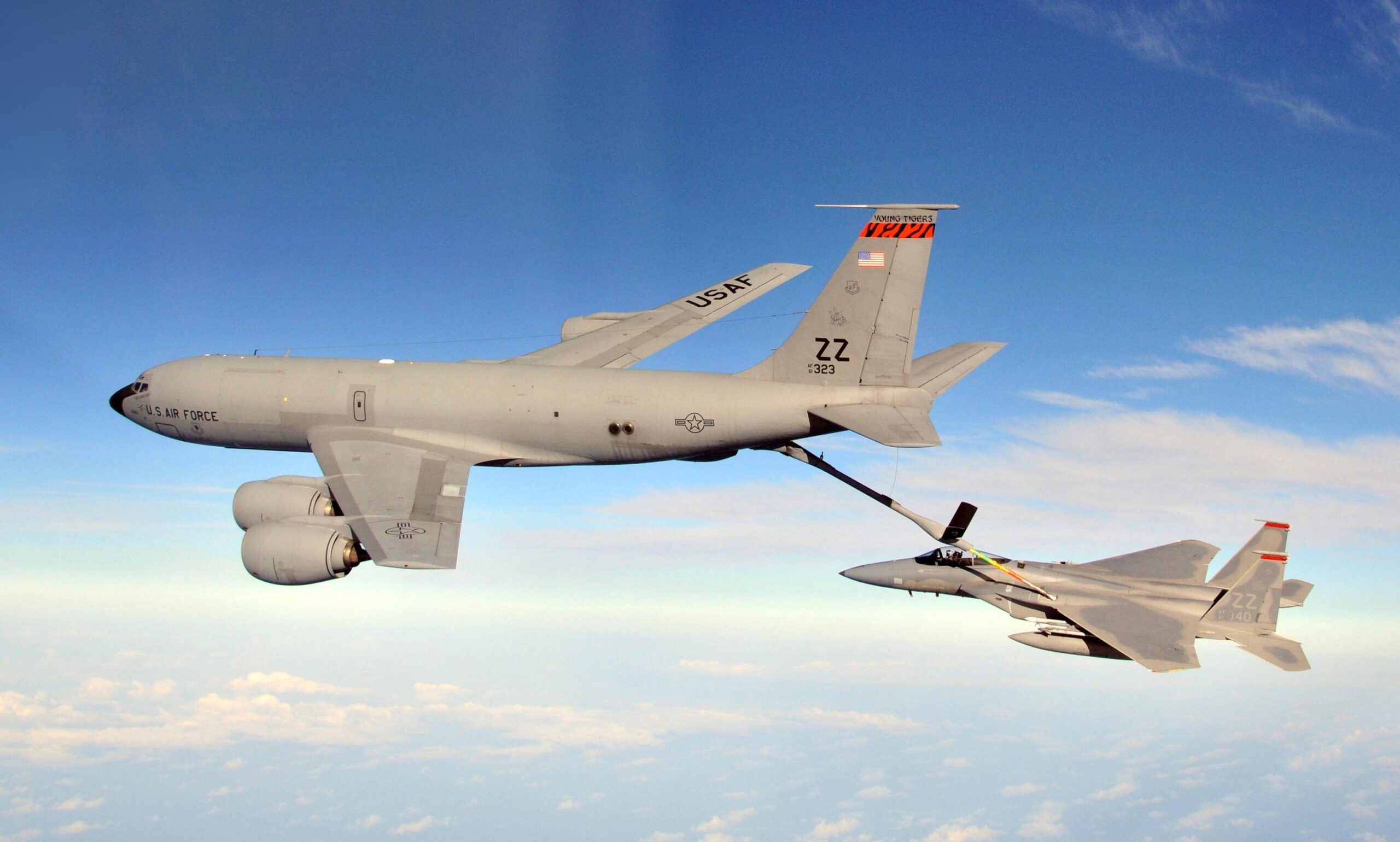
BAE Systems Marks 1,000th Repair Milestone for KC-135 Stratotanker Fleet, Enhancing U.S. Air Force Operational Readiness
BAE Systems, a global aerospace and defense technology company, has announced the completion of its 1,000th repair for the U.S. Air Force’s KC-135 Stratotanker fleet at its facility in Endicott, New York. This significant milestone underscores the company’s long-standing commitment to supporting the critical operational readiness of the venerable refueling aircraft.
The KC-135 Stratotanker, a cornerstone of military air operations for over six decades, relies heavily on its Fuel Management System (FMS) for safe and efficient operation. BAE Systems holds the exclusive position as the sole provider for this safety-critical system. The company’s responsibilities extend to the maintenance and sustainment of key components within the FMS, specifically the Fuel Management Advisory Computer and the Integrated Fuel Management Panel. These components are vital for monitoring, controlling, and distributing fuel throughout the aircraft, ensuring precise refueling capabilities and overall flight safety.
In addition to ongoing repair and maintenance, BAE Systems has proactively engaged in modernizing the KC-135’s fuel management capabilities. The company has developed an advanced upgrade package featuring line-replaceable units (LRUs). These LRUs are designed not only to meet current performance requirements but also to exceed future reliability benchmarks, promising enhanced operational efficiency, reduced maintenance downtime, and extended service life for the existing fleet. This forward-looking approach addresses the challenges associated with maintaining an aging but indispensable aircraft, ensuring its relevance in contemporary and future operational environments.
Corson Witham, program manager for sustainment at BAE Systems, emphasized the importance of this achievement. “Reaching this milestone for the KC-135 is a testament to our team’s technical expertise and the strength of the system’s design,” Witham stated. He further elaborated on the broader impact of their work, adding, “By maintaining the reliability of these critical flight systems, we support the U.S. Air Force’s operational readiness goals.” This sentiment highlights the direct correlation between specialized industrial support and the military’s ability to execute its missions effectively and without interruption.
The KC-135 Stratotanker has served as the U.S. Air Force’s primary aerial refueling aircraft since the late 1950s. Its robust design and adaptability have enabled it to support a vast array of military operations globally, from combat missions to humanitarian aid efforts. Its ability to extend the range and endurance of fighter jets, bombers, and other transport aircraft makes it an indispensable asset for power projection and maintaining air superiority. Beyond U.S. operations, the KC-135 frequently provides crucial support to allied air forces, including the Royal Air Force (RAF) and other NATO partners, on various joint operations and exercises, reinforcing international defense cooperation and interoperability.
The Endicott facility in New York, where these repairs are conducted, represents a hub of specialized engineering and technical skill dedicated to aerospace sustainment. The consistent performance and timely delivery of repaired components from this facility directly contribute to the availability of the KC-135 fleet, minimizing the time aircraft spend out of service and maximizing their operational deployment rates. Such sustainment programs are fundamental to military logistics, ensuring that complex, high-value assets remain mission-capable throughout their extended lifespans, even as newer platforms are introduced to the inventory.
The longevity of the KC-135 fleet, while a testament to its original design and ongoing maintenance, also underscores the strategic importance of effective sustainment contracts. As new generations of refueling aircraft, such as the KC-46 Pegasus, are slowly integrated into service, the KC-135 will continue to play a vital role for many years to come, bridging the gap and ensuring continuous global air refueling capabilities. BAE Systems’ consistent support through these repair milestones and technological upgrades is therefore not just about maintaining an aircraft, but about sustaining a core capability of U.S. and allied air power.
Why This Matters
This achievement by BAE Systems holds significant implications across several critical domains, from national security to technological sustainment and economic impact:
- Enhancing National Security and Global Reach:The KC-135 Stratotanker is a fundamental enabler of U.S. and allied air power. Its ability to refuel aircraft in flight vastly extends their range, endurance, and operational flexibility. By ensuring the reliability of the KC-135’s safety-critical Fuel Management System, BAE Systems directly contributes to the U.S. Air Force’s capacity to project power globally, respond to crises, and maintain air superiority. This ensures that fighter jets can reach distant targets, bombers can stay on station longer, and transport aircraft can deliver essential supplies or personnel across vast distances without needing to land.
- Sustaining Allied Operations and Interoperability:The KC-135 frequently supports the Royal Air Force and other allied nations. Its continued operational readiness is crucial for joint exercises, coalition operations, and collective defense initiatives, particularly within NATO. Reliable air refueling underpins interoperability, allowing allied forces to operate seamlessly together and reinforce mutual defense capabilities.
- Cost-Effectiveness and Resource Management:Maintaining and upgrading existing, proven platforms like the KC-135 is often more cost-effective than immediately replacing an entire fleet. BAE Systems’ repair services and the introduction of advanced Line-Replaceable Units (LRUs) contribute to the long-term viability of the KC-135 fleet. This strategic sustainment approach helps the U.S. Air Force maximize the return on investment in its legacy assets, potentially freeing up resources for other critical defense programs while ensuring that essential capabilities are not compromised during the transition to newer aircraft.
- Technological Expertise and Industrial Base:The milestone highlights the specialized technical expertise required to maintain complex aerospace systems, particularly those that have been in service for decades. It underscores the importance of a robust defense industrial base in providing essential sustainment and modernization services. BAE Systems’ Endicott facility represents a critical component of this industrial base, providing high-skilled jobs and contributing to regional economic stability, while also ensuring the availability of highly specific engineering and repair capabilities vital for national defense.
- Bridging the Gap to Next-Generation Refuelers:While newer refueling aircraft like the KC-46 Pegasus are being introduced, the KC-135 will remain a workhorse for many years to come. Reliable maintenance ensures that this vital capability is sustained during the gradual transition period. This continuity is essential to prevent any degradation in global air refueling capacity, which would have significant strategic implications for military operations worldwide.