
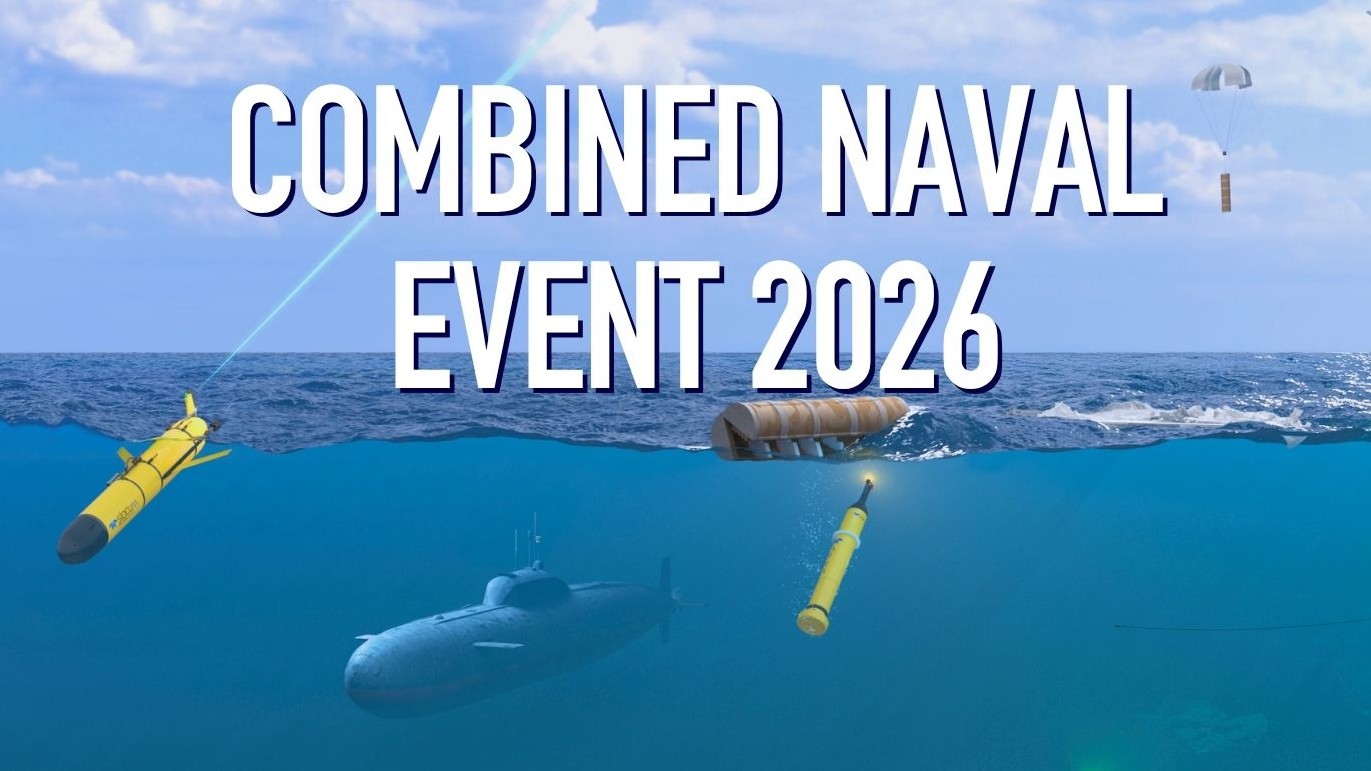
The Royal Navy is actively pursuing a significant strategic transformation toward a “Hybrid Navy,” integrating uncrewed and autonomous systems with traditional crewed vessels to redefine its operational capabilities and global footprint. This shift, articulated by senior naval leadership, aims to enhance efficiency, reduce costs, and improve force projection and survivability.
Insights into this evolving strategy were recently featured in a specialist defense publication titled “Sensor Sensibilities: Building Blocks for a Hybrid Navy.” The report drew on interviews with Captain Mohayed Magzoub, the Royal Navy’s Head of Force Development, and William Egan, a Senior Vice President at Teledyne Marine, a key industry partner involved in developing and delivering these advanced maritime technologies. Captain Magzoub further elaborated on the Hybrid Navy concept at the Navy Leaders’ Navy Tech and Seabed Defence 2026 conferences held in Gothenburg.
The impetus for this transformative vision came in May 2025, when First Sea Lord General Sir Gwyn Jenkins assumed his role. He articulated a guiding principle for the future fleet: “uncrewed wherever possible; crewed only where necessary.” General Jenkins further detailed his ambition at the DSEI 2025 exhibition, describing a “dispersed but digitally connected fleet of crewed, uncrewed, and autonomous platforms that will redefine maritime military power.” He pledged concrete progress, stating that the Royal Navy would deploy its first “Atlantic Bastion” sensors—expected to be integral to the future uncrewed fleet—into the water by the following year.
Captain Magzoub provided a comprehensive rationale for this strategic pivot, emphasizing both operational and financial advantages. He highlighted a “big range of anticipated benefits,” with cost savings being a primary driver. Beyond financial considerations, the shift is expected to “de-latch our capability from our crewing,” meaning the Royal Navy can substantially increase its operational reach and capacity without requiring a proportional increase in personnel. This also promises “improvements in survivability, by shifting from platform survivability to force-level survivability,” suggesting a more resilient and distributed naval presence. Furthermore, Magzoub noted the potential for faster capability introduction, enabling the Royal Navy to deploy new technologies and assets more quickly “at the pace of relevance,” ensuring they are positioned effectively “in the right place at the right time.”
The future architecture of the Hybrid Navy envisions a fundamental restructuring of naval operations. Traditional frigates and destroyers are anticipated to evolve into lean-crewed Common Combat Vessels (CCVs), designed to function primarily as command and control nodes. These CCVs would then direct and coordinate operations involving a network of large uncrewed surface vessels (USVs), which would undertake diverse operational roles such as air defence or anti-submarine warfare, adapting to mission requirements. Initially, existing Type 45 destroyers are expected to assume the CCV role, a function that will subsequently be adopted by the Royal Navy’s incoming Type 26 and Type 31 frigates as they enter service.
A recurring and central theme in the Royal Navy’s strategy is the critical importance of trust in autonomous systems. William Egan from Teledyne Marine underscored this, stating that “trust is the currency of the Hybrid Navy.” He elaborated that this trust hinges on ensuring that “uncrewed systems will perform reliably, integrate seamlessly and deliver the sort of effects commanders need without constant human intervention.” Egan emphasized that this trust is not built through theoretical presentations but “only earned through operational experiment, not PowerPoints, not lab demonstrations.” As a practical illustration, Teledyne’s participation in the SeaSEC Harbour Challenge Day was cited, where the company’s systems successfully detected and classified underwater targets in real-time within a live harbor environment, demonstrating efficacy outside of controlled test conditions.
Tangible progress in developing and integrating uncrewed systems is already evident across various programs. The Royal Navy’s Peregrine drones and Malloy T-150s have been utilized in exercises and declared ready for operational deployment. Concurrently, the Proteus rotary uncrewed aerial system, developed in partnership with Leonardo, has advanced to the test-flight stage. In May 2025, the Royal Navy acquired XV Excalibur, its first extra-large unmanned underwater vehicle (XLUUV), signaling a commitment to long-endurance sub-surface autonomous operations. Further expanding its uncrewed fleet, the acquisition of twenty drone boats from Kraken Technology Group for testing and development was announced in March 2026. Additionally, the Maritime Mine Counter Measures (MMCM) programme delivered its second operational system in April, further enhancing the Royal Navy’s autonomous mine warfare capabilities.
Why This Matters
The Royal Navy’s aggressive push towards a “Hybrid Navy” represents more than just a technological upgrade; it signifies a fundamental shift in naval doctrine with far-reaching implications for global security, military strategy, and defense spending. Firstly, this transformation is a direct response to evolving geopolitical landscapes and the need for navies to operate effectively in increasingly complex and contested maritime environments. By reducing reliance on large, crewed platforms in high-threat areas, the Royal Navy aims to mitigate risks to personnel while maintaining, or even enhancing, its operational presence and lethality.
Operationally, the concept of “de-latching capability from crewing” implies a significant increase in the persistence and reach of naval forces. Uncrewed systems can operate for longer durations, in harsher conditions, and in areas deemed too dangerous for human crews, providing persistent surveillance, reconnaissance, and even strike capabilities. This distributed force structure, where CCVs command a network of specialized uncrewed assets, offers greater flexibility and resilience, making the fleet less vulnerable to single points of failure. The emphasis on “force-level survivability” over “platform survivability” reflects a modern understanding of warfare where adaptability and redundancy are paramount.
Economically, while the initial investment in developing and acquiring these advanced systems is substantial, the long-term potential for cost savings is a significant driver. Reducing the number of personnel required for a given capability translates into lower lifetime costs associated with salaries, training, and support infrastructure. Furthermore, uncrewed platforms can be less expensive to build and maintain than their crewed counterparts, potentially allowing for the procurement of more units and a larger overall fleet within existing budgets. This could allow the Royal Navy to project power more broadly without commensurate budget increases.
Finally, the Royal Navy’s explicit focus on building “trust” through rigorous operational experimentation is crucial for the wider adoption of autonomous systems in warfare. Their progress and challenges will provide valuable lessons for allied nations also exploring similar concepts. This pioneering approach positions the UK as a leader in defining the future of naval power, influencing international standards and potentially shaping the global defense industry’s trajectory towards increasingly autonomous military platforms.