
UK Parliament Scrutinises Future Defensive Military Engagement in Saudi Arabia Amidst Houthi Threat
The British Parliament has sought greater clarity regarding the duration and precise scope of the United Kingdom’s forthcoming defensive military engagement in Saudi Arabia, a commitment outlined by the Defence Secretary for implementation from 20 October 2026. The deployment, intended to protect Saudi cities and critical national infrastructure, has sparked parliamentary inquiry into the extent of Britain’s role in a complex regional conflict marked by ongoing Houthi attacks.
During a recent parliamentary session, James MacCleary, the Liberal Democrat Member of Parliament for Lewes, directly questioned ministers on the specifics of this engagement. In response, Louise Sandher-Jones, Parliamentary Under-Secretary and Minister for the Armed Forces, referred Mr. MacCleary to a written statement made by the Defence Secretary, Wes Streeting, on 20 October 2026. This statement details a comprehensive package of support, primarily focused on air defence.
Components of the UK’s Future Defensive Mission
The Defence Secretary’s statement, referenced by Minister Sandher-Jones, outlines several key components of the planned British military support package:
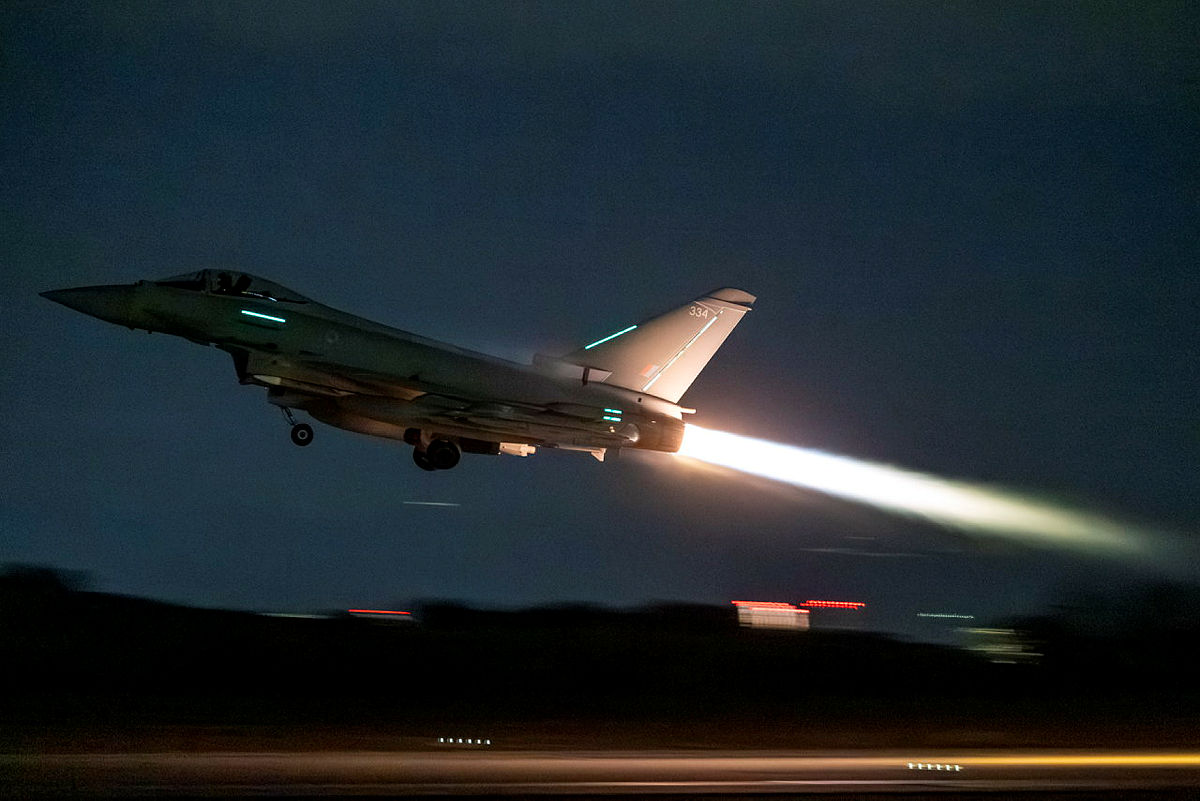
- Typhoon Fighter Jets:Royal Air Force (RAF) Typhoon aircraft are designated for defensive air missions. Their primary role will be to safeguard Saudi cities and vital national infrastructure against potential aerial threats. Crucially, the accompanying operational update explicitly states that these aircraft “will not conduct offensive strikes.” This distinction aims to delineate the nature of the UK’s involvement as purely defensive.
- A400M Transport Aircraft:An RAF A400M Atlas transport aircraft will be deployed to facilitate the movement of defence materiel within Saudi Arabia. This logistical support is essential for maintaining readiness and operational effectiveness of the deployed forces and potentially supporting Saudi defensive capabilities.
- Military Advisers:British military advisers will be embedded to support Saudi staff officers. This advisory role is intended to enhance Saudi operational planning, coordination, and overall military capabilities, particularly in defensive strategies.
- Air-to-Air Refuelling Extension:The UK’s existing air-to-air refuelling support for Saudi defensive air operations is set to be extended. This includes vital support for operations specifically targeting Houthi military sites in Yemen. This particular aspect has drawn significant attention due to its potential implications for the conflict in Yemen.
Context of the Yemen Conflict and Houthi Attacks
The decision to bolster Saudi Arabia’s defences comes against a backdrop of protracted conflict in Yemen, which began in late 2014 when Houthi rebels seized the capital, Sana’a. A Saudi-led coalition intervened in Yemen in March 2015 to restore the internationally recognised government. Since then, the conflict has devolved into a devastating humanitarian crisis, with millions displaced and facing famine.
Throughout the conflict, Houthi forces have repeatedly launched drone and missile attacks targeting Saudi territory. These attacks have aimed at critical infrastructure, including oil facilities and airports, as well as civilian areas. While there have been periods of relative calm and attempts at de-escalation, Houthi strikes on the Kingdom have resumed after a period of quiet, underscoring the ongoing security challenges faced by Saudi Arabia. The UK’s stated aim of defending Saudi cities and infrastructure directly addresses these persistent threats.
Questions of Legal Scrutiny and Transparency
The extension of air-to-air refuelling support for Saudi operations, particularly those “against Houthi military sites in Yemen,” has prompted questions regarding the legal basis and oversight of such involvement. Ministers were asked earlier this month whether legal advice had been sought concerning this refuelling support. In line with a long-standing government convention, ministers declined to confirm or deny whether legal advice had been sought, or to disclose its content. This convention, which protects the confidentiality of law officers’ advice, often proves to be a point of contention for opposition members and transparency advocates who argue that greater openness is necessary, especially when military engagements are involved.
The debate surrounding legal advice underscores broader concerns about the UK’s involvement in the Saudi-led coalition’s operations in Yemen. Critics often highlight the dire humanitarian situation in Yemen and raise questions about adherence to international humanitarian law by all parties to the conflict. The UK government consistently states that all arms export licenses are assessed against strict criteria, including international humanitarian law, and that its support to Saudi Arabia is defensive and aimed at ensuring regional stability.
Why This Matters
The United Kingdom’s commitment to a defensive military engagement in Saudi Arabia from October 2026 carries significant implications, both domestically and internationally, for several key reasons:
- Deepening UK-Saudi Strategic Ties:This future deployment underscores the enduring strategic partnership between the UK and Saudi Arabia. While presented as defensive, it represents a tangible commitment of British military assets and personnel, reinforcing the UK’s role as a security guarantor in the Gulf region. This relationship is complex, balancing economic and security interests with human rights concerns often raised by international bodies and domestic critics.
- Implications for the Yemen Conflict:The explicit mention of extending air-to-air refuelling support for Saudi operations “against Houthi military sites in Yemen” is particularly sensitive. While the Typhoon aircraft are restricted to defensive missions, refuelling support can indirectly enable longer and more extensive Saudi offensive operations in Yemen. This raises questions about the UK’s indirect involvement in a conflict that has caused one of the world’s worst humanitarian crises, potentially drawing scrutiny from international human rights organisations and opposition parties.
- Parliamentary Oversight and Transparency:The parliamentary questioning highlights the ongoing democratic imperative for transparency and accountability in military deployments. The government’s refusal to disclose legal advice, while conventional, fuels debate about the extent to which Parliament and the public are adequately informed about the legal basis for Britain’s military actions, especially in conflict zones. This impacts public trust and the democratic scrutiny of foreign policy decisions.
- Regional Stability and Geopolitical Role:The UK’s commitment plays into the broader geopolitical dynamics of the Middle East. By bolstering Saudi Arabia’s defensive capabilities, Britain aims to contribute to regional stability and protect vital global energy infrastructure against disruptive attacks. However, such interventions can also be perceived differently by various regional actors, potentially influencing the broader balance of power and alliances in the Gulf.
- Defining “Defensive” Engagement:The clear distinction between “defensive” air missions by Typhoons and the extension of refuelling support for operations “against Houthi military sites” prompts a nuanced discussion about what constitutes “defensive” in a complex, interconnected conflict. While direct offensive strikes are ruled out for the Typhoons, the provision of enabling support to an active combatant against specific targets in another country highlights the intricate nature of modern military assistance and its ethical and legal boundaries.