
British Soldiers Conclude Kosovo Deployment, Receive Medals in Chelsea Ceremony
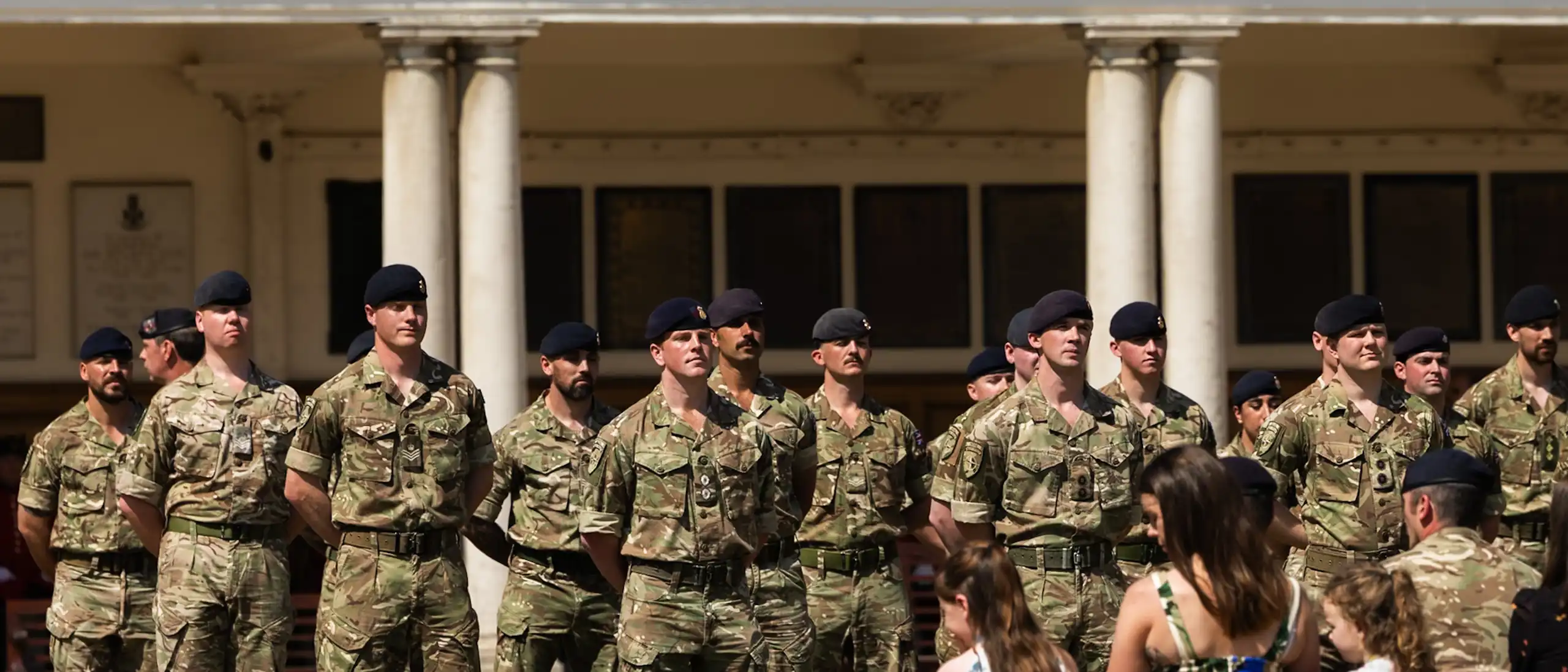
LONDON, UK –Soldiers from C Squadron, the Household Cavalry Regiment, were honored at a medal presentation ceremony at the Royal Hospital Chelsea on April 27, marking the successful conclusion of their six-month deployment to Kosovo under Operation ELGIN 17. The deployment, which spanned from October 2025 to April 2026, saw the squadron operate as the United Kingdom’s Intelligence, Surveillance, and Reconnaissance (ISR) Task Unit within NATO’s Kosovo Force (KFOR).
The ceremony unfolded under clear spring skies at the historic Royal Hospital Chelsea, a site renowned for its nearly 330-year history of providing a home and care for retired soldiers of the British Army. The event was attended by the soldiers’ families, friends, and the esteemed Chelsea Pensioners, providing a poignant link between generations of military service. Medals were presented by HRH The Princess Royal, Colonel of The Blues and Royals, emphasizing the Royal Family’s enduring connection and commitment to the armed forces. She was joined by Lieutenant General Sir Edward Smyth-Osbourne, Colonel of The Life Guards, and General Sir Adrian Bradshaw, Governor of the Royal Hospital Chelsea, whose presence underscored the significance of the occasion within the military hierarchy. The Band of the Household Cavalry provided a dignified musical accompaniment throughout the parade, adding to the ceremonial gravity of the event.
C Squadron commenced its mission in Kosovo in October 2025. Comprising a 42-strong contingent, the unit was primarily drawn from 32 personnel of the Household Cavalry Regiment, augmented by specialist attachments from various other units. These included crucial contributions from the 1st Signals Regiment, the Honourable Artillery Company, the Royal Yeomanry, and the 3rd and 7th Military Intelligence Battalions. This multi-regimental composition highlights the integrated and specialized nature of modern military operations, bringing together diverse skills in communications, reconnaissance, and intelligence gathering. Their primary role as an ISR Task Unit involved gathering critical information to support KFOR’s mandate, ensuring situational awareness, and contributing to the overall security and stability of the operational area. The squadron’s responsibilities were formally handed over to 5th Regiment Royal Artillery during a Transfer of Authority ceremony on April 13, 2026, a standard procedure marking the end of one unit’s tour and the beginning of another’s.
The operational period in Kosovo presented significant environmental challenges for the deployed personnel. The six-month tour encompassed the harsh Balkan winter, with temperatures frequently plummeting to as low as minus 15 degrees Celsius. Such extreme conditions necessitate rigorous preparation and resilience, impacting everything from equipment functionality to troop welfare and logistical support. The ability to maintain effective operations in such a demanding climate underscores the adaptability and professionalism of the British forces.
KFOR has maintained a critical stabilizing presence in Kosovo since 1999, following the NATO-led intervention that ended the conflict in the former Yugoslav province. The intervention, initiated to halt widespread human rights abuses and prevent further humanitarian catastrophe, led to the establishment of the UN administration in Kosovo and KFOR’s mandate to ensure a safe and secure environment and freedom of movement for all communities. More than two decades later, the region continues to navigate complex geopolitical and social challenges. These include persistent inter-ethnic tensions, particularly between the Albanian majority and the Serb minority, as well as ongoing efforts by external actors to influence regional dynamics and potentially undermine Kosovo’s fragile stability. KFOR’s ongoing mission involves monitoring border areas, deterring aggression, and supporting the development of a secure environment conducive to peace and prosperity. The United Kingdom has affirmed its sustained commitment to this mission, extending its support to KFOR until at least 2028. This long-term engagement is part of the British Army’s broader “NATO-first approach to collective security,” signaling a strategic prioritization of allied defense and cooperation in addressing contemporary security threats.
During her address at the medal ceremony, HRH The Princess Royal commended the soldiers for their exceptional professionalism and dedication throughout their deployment. She also took the opportunity to acknowledge the vital role played by families and loved ones back home, recognizing the significant emotional and practical support they provide, which is indispensable to the morale and effectiveness of deployed military personnel.
Why This Matters
The medal ceremony for C Squadron signifies more than just the end of a specific deployment; it underscores several critical aspects of international security and national defense. Firstly, it highlights the United Kingdom’s enduring commitment to NATO and collective security. The “NATO-first approach” demonstrates Britain’s strategic alignment with its allies in confronting complex geopolitical challenges, particularly in regions like the Western Balkans, which remain a flashpoint for potential instability. Continued UK involvement in KFOR contributes directly to maintaining peace and preventing renewed conflict in an area with a history of significant ethnic and political strife.
Secondly, the deployment showcases the specialized capabilities and adaptability of the British Armed Forces. The role of an Intelligence, Surveillance, and Reconnaissance (ISR) Task Unit is crucial for modern peacekeeping, providing the situational awareness necessary to anticipate threats, protect civilians, and enable informed decision-making. The multi-unit composition of C Squadron further illustrates the integrated and sophisticated nature of contemporary military operations, drawing on diverse expertise to achieve mission objectives under challenging conditions, including extreme weather.
Finally, this event serves as a reminder of the long-term nature of post-conflict stabilization efforts. KFOR’s continuous presence since 1999 reflects the slow and complex process of building sustainable peace and democratic institutions in regions affected by conflict. The challenges faced by KFOR, including inter-ethnic tensions and external influences, underscore the ongoing need for international vigilance and commitment to prevent regression and support the aspirations for stability and self-determination in Kosovo. The recognition of soldiers and their families also reinforces the societal value placed on military service and sacrifice in the pursuit of international peace and security.