
Future of Un-upgraded Challenger 2 Tanks Remains Undecided, Minister Confirms
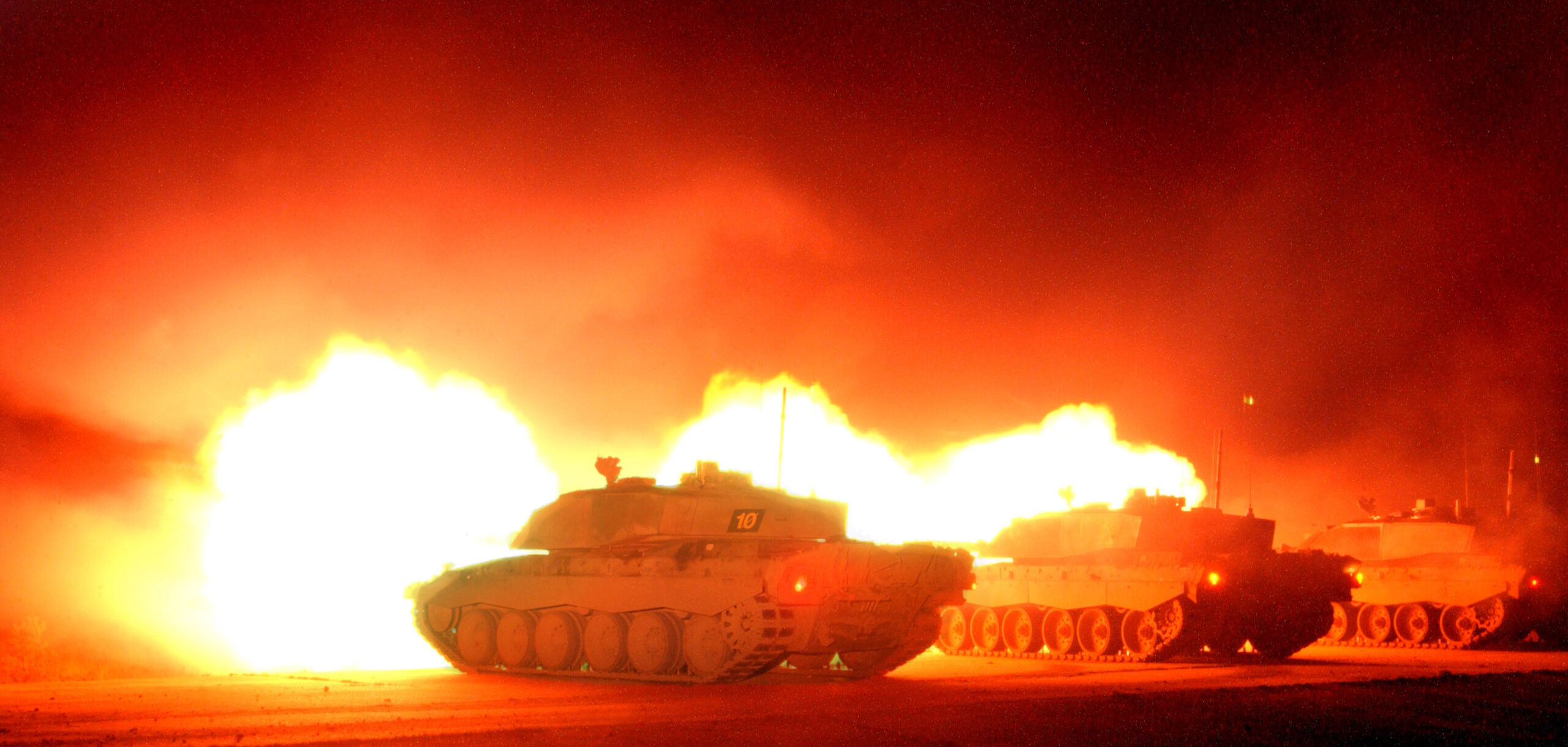
The fate of 137 Challenger 2 Main Battle Tanks (MBTs) not slated for upgrade to the new Challenger 3 standard is yet to be determined, according to a recent statement from Luke Pollard, the Minister for Defence Readiness and Industry. This disclosure came in a written parliamentary answer, highlighting an ongoing planning challenge for the Ministry of Defence (MOD).
The question was posed by Ben Obese-Jecty, the Conservative Member of Parliament for Huntingdon, who sought clarity on the future of these tanks. His inquiry referenced official UK armed forces equipment and formations statistics published in August, which track the inventory of military assets. Minister Pollard’s concise response stated: “A decision has yet to be made on the future of the remaining Challenger 2 tanks which are not currently planned to be upgraded as part of the Challenger 3 programme.”
This statement brings into focus a significant portion of the UK’s current tank fleet. The Challenger 3 programme, a crucial modernization effort, involves converting 148 existing Challenger 2 tanks. This extensive upgrade is being carried out by Rheinmetall BAE Systems Land (RBSL) at their facility in Telford. The core of this transformation includes fitting a new turret and replacing the Challenger 2’s rifled 120mm gun with a modern 120mm smoothbore gun. This change is designed to enhance lethality, improve ammunition commonality with NATO allies, and ensure the tank remains competitive against peer adversaries well into the future.
The Challenger 3 programme is progressing through its development and testing phases. Trials for the upgraded tank are scheduled to conclude by the end of 2026. Following successful trials, initial operating capability (IOC) is anticipated in 2027, signifying that the first units will be ready for deployment in a limited capacity. Full operating capability (FOC), when the entire upgraded fleet is operational and fully integrated, is projected for 2030. A significant milestone was achieved in January, when the tank successfully carried out its first crewed live firing, demonstrating its new capabilities in a real-world scenario.
The 137 Challenger 2 tanks in question represent a substantial inventory of heavy armour. Potential uses for these surplus vehicles have been a subject of discussion among defence analysts and policymakers. One prominent suggestion is their use for spare parts, which are critical for maintaining operational fleets, particularly for any remaining Challenger 2s still in service or those donated to allies. For instance, Britain provided 14 Challenger 2 tanks to Ukraine in 2023, and the availability of spare components could be vital for their continued operation in the ongoing conflict.
Beyond spares, these tanks could be repurposed for training purposes. They could serve as realistic platforms for driver training, gunnery practice, or maintenance instruction, allowing military personnel to gain hands-on experience without drawing upon the active operational fleet. Another option is export to allied nations. There is a global market for used military equipment, and well-maintained heavy armour, even if superseded by newer models, could be a valuable asset for countries seeking to bolster their defence capabilities at a lower cost than purchasing new vehicles. Furthermore, in light of continued calls from Ukraine’s international backers for more armour, the possibility of further donations remains a consideration, although the logistical and training implications would need to be thoroughly assessed.
In a related development, Cook Defence Systems in County Durham, a key supplier to the UK’s defence industry, continues to play a role in supporting the Army’s combat vehicle fleet. The company supplies spare track for various vehicles, including the forthcoming Challenger 3. Minister Pollard confirmed this week that the Ministry of Defence had awarded Cook Defence Systems one contract in the past 12 months, underscoring the ongoing need for domestic industrial support for military equipment.
Why This Matters
The undecided fate of 137 Challenger 2 tanks holds significant implications for the United Kingdom’s defence strategy, industrial base, and international commitments. Firstly, from a **military readiness perspective**, these tanks represent a considerable asset. While not receiving the full Challenger 3 upgrade, they are still capable main battle tanks. A clear decision is needed to ensure that these assets are either effectively utilized to support the UK’s defence objectives or managed responsibly if deemed surplus. Leaving such a large inventory in limbo can create logistical challenges and represent a missed opportunity for strategic planning.
Secondly, there are **economic and resource management considerations**. Maintaining unused military equipment incurs costs, including storage, periodic maintenance, and security. Conversely, options like selling them could generate revenue, or repurposing them for training could save the cost of developing new dedicated training platforms. Scrapping them would involve decommissioning costs but could free up resources and space. The decision will impact taxpayer money and how efficiently defence resources are allocated during a period of intense global security challenges and budgetary pressures.
Thirdly, the decision carries **geopolitical significance**. The ongoing conflict in Ukraine has highlighted the critical importance of heavy armour. Should the UK decide to donate more Challenger 2s, it would significantly bolster Ukraine’s defensive capabilities and demonstrate continued commitment to its allies. Alternatively, selling them to other allied nations could strengthen defence partnerships and contribute to regional stability. The approach taken will send a signal about the UK’s role as a security provider and its willingness to support partners.
Finally, for the **UK defence industrial base and long-term planning**, this situation underscores the complexities of transitioning to new defence capabilities. The Challenger 3 programme is a vital upgrade, but the management of legacy systems is equally important. A clear strategy for the un-upgraded Challenger 2s is essential for transparency, accountability, and demonstrating a coherent long-term vision for the British Army’s armoured capabilities. It impacts not only current operational capabilities but also future procurement decisions and the health of the domestic defence sector.