
Royal Navy to Acquire New Offshore Support Vessels for Autonomous Minehunting Fleet
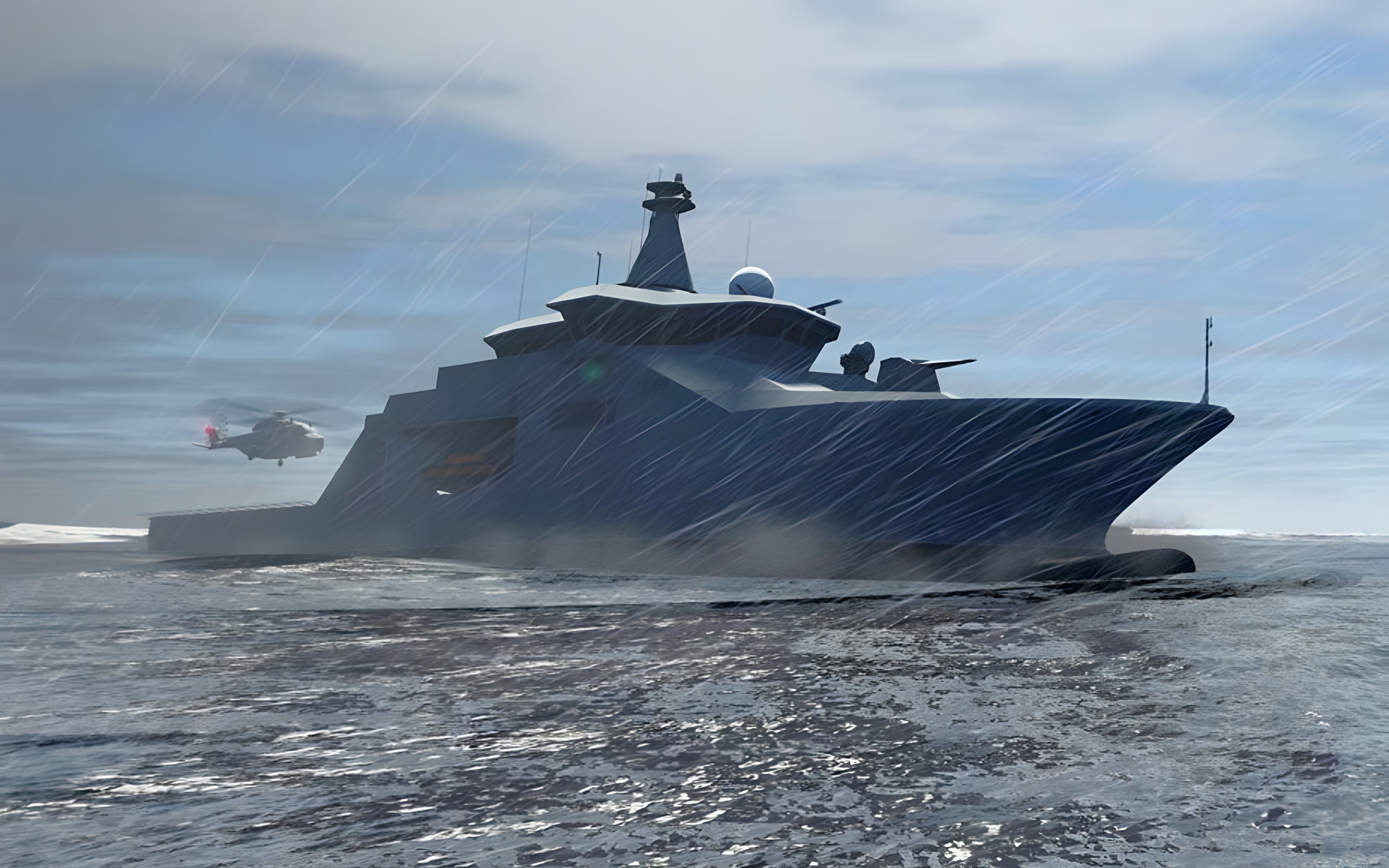
The United Kingdom’s Royal Navy is set to acquire new offshore support vessels (OSVs) through a collaborative effort with Norway. These vessels are intended to serve as dedicated ‘motherships’ for the Navy’s expanding fleet of autonomous minehunting systems, forming a crucial component of a broader investment in modernizing mine warfare capabilities, as outlined in the latest Defence Investment Plan.
According to the plan, an allocation of £90 million has been earmarked for the procurement of these offshore support vessels “in conjunction with Norway.” This initiative is part of the larger Mine Hunting Capability (MHC) programme, which represents a total investment of approximately £1.3 billion over the next four years. A significant portion of this funding, around £1.1 billion, is specifically designated for the ongoing development and procurement of the next phase of an autonomous minehunting system being jointly developed by the UK and France. The long-term objective articulated by the Defence Investment Plan is to achieve “a transformed mine hunting capability based on uncrewed systems and AI.”
This investment signifies a continuation of a strategic shift the Royal Navy has been pursuing for several years. The traditional approach of deploying crewed minehunters directly into hazardous minefields is being phased out in favour of remotely operated and fully autonomous systems. These uncrewed platforms are designed to undertake the dangerous work of mine detection and disposal, thereby minimizing risk to naval personnel. Consequently, the Royal Navy has been progressively retiring its Hunt and Sandown-class minehunters, replacing them with advanced uncrewed surface vessels (USVs) and underwater mine-disposal systems developed under the joint programme with France.
The effective deployment and operation of these autonomous systems necessitate dedicated support platforms. These ‘motherships’ are essential for transporting the uncrewed vehicles to operational areas, providing facilities for their storage, maintenance, and repair, and serving as command and control centres once the autonomous systems are deployed in the water. The Royal Navy’s first such vessel, HMS Stirling Castle, exemplifies this new operational concept. Originally an offshore oil-rig support vessel named MV Island Crown, she was acquired by the Ministry of Defence in 2023 for approximately £40 million. Following a period of conversion at Devonport and initial operations with the Royal Fleet Auxiliary, she was commissioned as a warship last year.
Weighing 6,000 tonnes, HMS Stirling Castle is equipped to host various uncrewed boats and underwater vehicles. She carries their portable command centres and possesses the capability to efficiently launch and recover these systems at sea, primarily operating in home waters. HMS Stirling Castle was always envisioned as the inaugural vessel in a small class, with the Ministry of Defence having previously stated intentions to acquire up to three additional ships for this critical mine countermeasures command and support role.
The decision to collaborate with Norway on the procurement of these new OSVs is a strategic move that leverages closer naval ties between London and Oslo. This partnership is underpinned by the existing Lunna House agreement, which also forms the basis for the planned combined fleet of Type 26 frigates between the two nations. While the mothership acquisition involves Norway, the development and procurement of the autonomous minehunting systems that these new vessels will carry remain a collaborative effort with France, highlighting a multi-faceted approach to international defense partnerships.
Why This Matters
The Royal Navy’s investment in new offshore support vessels and autonomous minehunting technology signifies a profound transformation in naval warfare with significant implications for global maritime security, defense policy, and international collaboration.
Firstly, and most critically, this strategic shift prioritizes **personnel safety**. By deploying uncrewed systems into dangerous minefields, the Royal Navy dramatically reduces the risk of casualties, a primary driver for military modernization worldwide. This enhances operational effectiveness by allowing operations in environments too hazardous for human-crewed vessels.
Secondly, it represents a strong commitment to **technological advancement and future-proofing** naval capabilities. Embracing artificial intelligence and robotics in mine countermeasures positions the UK at the forefront of naval innovation. This investment ensures that the Royal Navy can effectively counter emerging and evolving underwater threats, including sophisticated sea mines that could disrupt vital shipping lanes and economic activity.
Thirdly, the dual international collaborations with Norway and France underscore the growing importance of **alliance strengthening and interoperability**. The partnership with Norway on mothership procurement, building on the Lunna House agreement, deepens bilateral defense ties and facilitates greater cooperation in areas like naval logistics and command. Simultaneously, the continued joint development of autonomous minehunting systems with France ensures shared expertise, burden-sharing, and the creation of systems that can operate seamlessly between key NATO allies, enhancing collective security.
Finally, these developments have broader implications for **global maritime security**. Sea mines remain a potent and asymmetric threat, capable of denying access to critical maritime chokepoints and littoral zones. By enhancing its minehunting capabilities with advanced autonomous systems, the UK strengthens its ability to contribute to international efforts to maintain freedom of navigation and respond to crises involving naval mine threats, thereby supporting global trade and stability. This move reflects a proactive adaptation to the complexities of modern naval warfare and the imperative to protect vital sea lines of communication.