
Labour MP Alex Ballinger has cautioned that the Royal Navy’s surface fleet has “regrettably dwindled”, prompting worries about the UK’s capacity to fulfill expanding security pledges across diverse operational arenas.
Addressing a Westminster Hall discussion concerning NATO and the High Arctic, Ballinger answered an inquiry from Conservative MP Ben Obese-Jecty regarding whether the UK could maintain obligations in numerous areas concurrently, including the Middle East, Norway, and the High North.
Obese-Jecty remarked that the UK had pledged to dispatch an aircraft carrier battle group to the region later this year as part of Operation Firecrest, aiming to discourage Russian maritime operations from the Kola Peninsula into the broader North Atlantic expanse.
He articulated concern that concurrent undertakings elsewhere could strain existing resources.“With the onset of hostilities in the Middle East, a prospective pledge for a post-conflict force in Ukraine, a commitment to troops in Norway, and Operation Firecrest, does he concur with my apprehension that we may need to make some exceptionally tough choices about the extent of capability we are able to assign to guarantee that our objectives are safeguarded throughout all those sectors?”he queried.
Ballinger assented that the matter underscored a wider predicament for the UK’s military branches, stating that the Royal Navy now maintains a smaller number of principal surface warships than in bygone decades, yet is still anticipated to fulfill an extensive array of mission obligations.
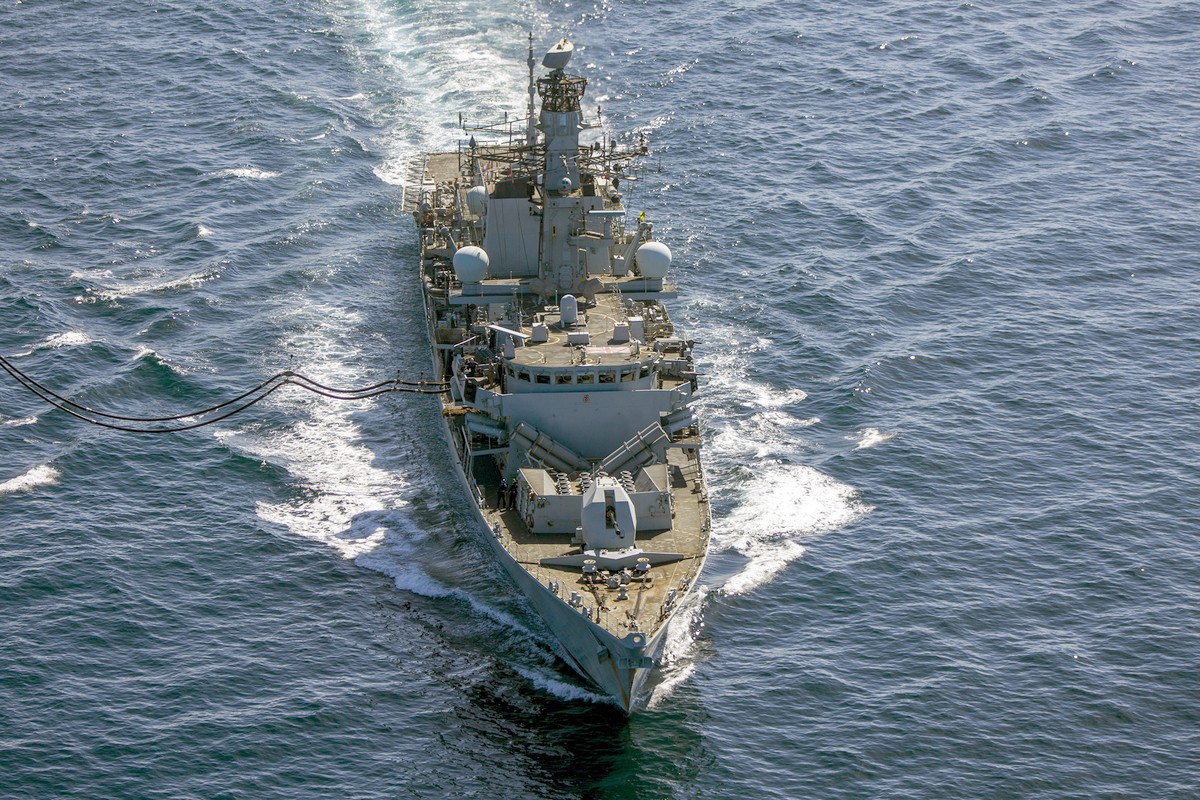
“The hon. Member raises a valid observation. Our maritime capacity has regrettably dwindled; we have a reduced number of destroyers and frigates than we used to, and we are appropriately dispatching some of those to the Mediterranean and the Middle East at this moment,”he stated. He added that challenging decisions might emerge contingent on how circumstances unfold in other regions.“There will have to be arduous selections as that timeframe nears,”he observed, remarking that the situation in the Middle East could impact the UK’s capacity to maintain missions elsewhere.
Ballinger also alluded to remarks made by the Chief of the Royal Navy about the increasing geopolitical significance of the High North and the demand for enhanced combat preparedness in the region. He said the top officer of the Royal Navy had cautioned that“the superiority we have possessed in the Atlantic since the conclusion of the Second World War faces jeopardy”unless measures are adopted to bolster capabilities.
The MP queried whether adequate assets were being assigned to the area, highlighting the continuous decommissioning of anti-submarine Type 23 frigates and asking whether substitutes would be ready promptly.“We continue to take Type 23 frigates—submarine-hunting ships—out of service. Five have retired since 2021, including HMS Lancaster most recently, but are we decommissioning them prior to new vessels being prepared?”he said.
Ballinger observed that the upcoming Type 31 frigates would assist in bridging operational deficiencies but said confirmation was required about schedules and the prospective hazards should postponements happen. He also emphasized the significance of the Royal Marines’ specialized Arctic combat knowledge but said elite units need to be sustained by ample logistical, transport, and monitoring resources to function efficiently in the region.
“We can declare postings, initiate operations, and deliver addresses about the High North, but if we do not issue a distinct funding scheme that is budgeted and credible, our opponents will deduce that the UK strategy is more robust in discourse than in actuality,”he said. He cautioned that the UK encounters a tangible challenge as worldwide demands escalate, adding:“The question is not whether we can dispatch vessels to other regions theoretically; it is whether we can do it without eroding our obligations to other parts of the world.”