
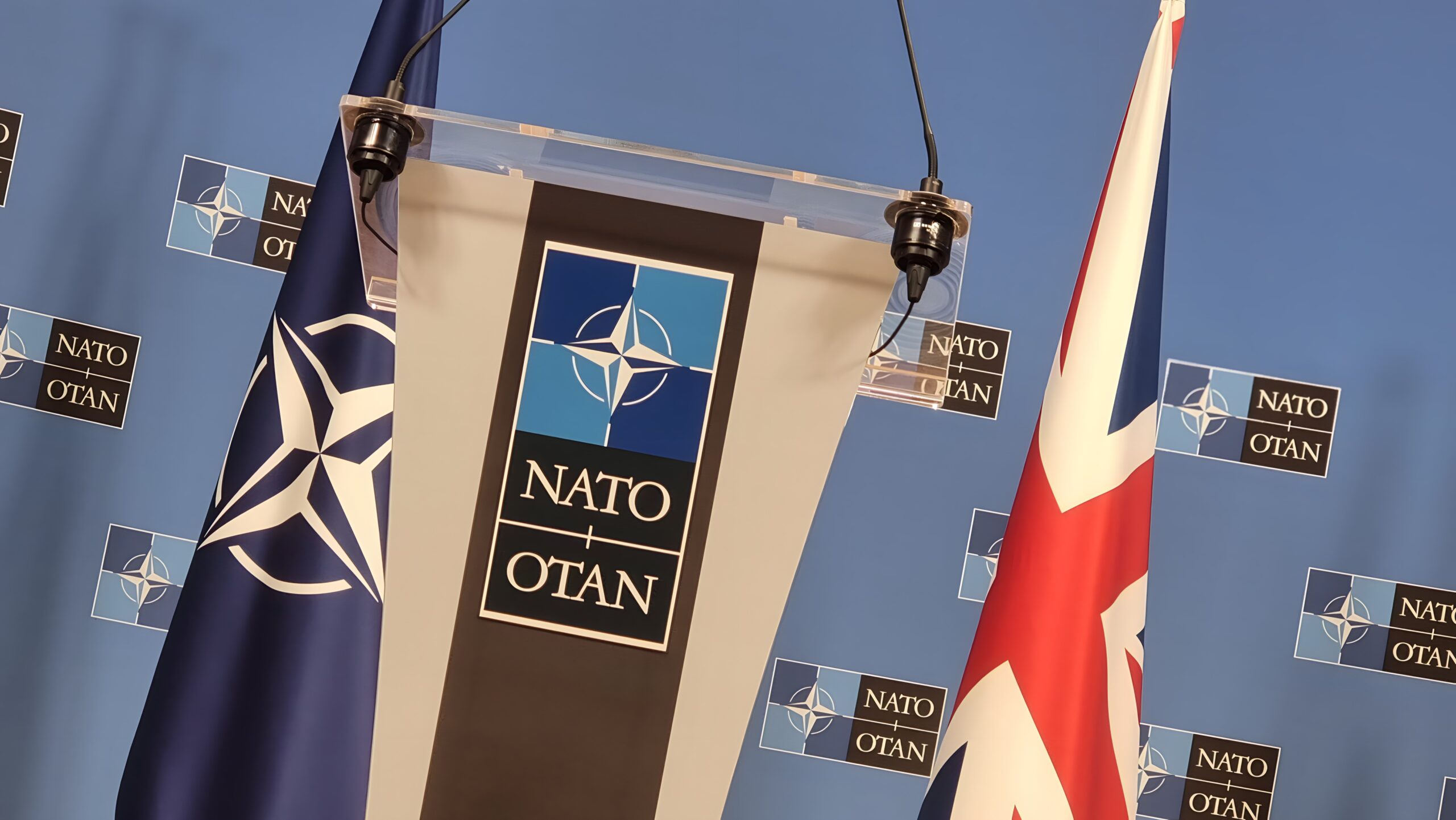
Labour MP Graeme Downie has argued that NATO’s consensus-based decision-making wants reform, warning that the tempo of contemporary crises is outstripping the Alliance’s capacity to reply.
Writing in PoliticsHome, Downie mentioned:“Crises in Europe now develop sooner than political buildings reply. Choices that might as soon as take days are actually wanted in hours.”Whereas describing NATO as“essentially the most profitable navy alliance in historical past”, he argued its energy can be a vulnerability, writing:“Its biggest asset, 31 democracies performing collectively, can be its strategic Achilles heel.”
He warned that unanimity creates operational danger:“Unanimity binds allies politically, but slows them operationally. Vladimir Putin believes he can exploit that hole.”Downie proposed what he referred to as a “neighbourhood” mannequin, the place allies closest to a theatre are empowered to reply quickly, stating NATO ought to embrace“regional management, a ‘neighbourhood’ mannequin the place the allies finest positioned to behave in particular theatres are empowered to take action shortly.”
He argued the UK is effectively positioned to steer this shift, writing:“This strategy is already rising organically. Nato now must formalise it, and the UK needs to be main.”Highlighting the Excessive North, he mentioned:“The Greenland, Iceland, UK hole is as soon as once more central to Nato’s capacity to trace and deter Russian submarines.”He cited British anti-submarine capabilities together with Astute-class submarines and RAF Poseidon plane, noting:“British P-8s have flown joint missions with US and Norwegian plane to shadow Russian submarines.”
He additionally raised considerations over NATO’s capacity to reply shortly within the Baltic, asking:“How lengthy may Nato take to reply to Russia searching for to occupy an uninhabited island within the Baltic…?”and warning:“The fait accompli could be that Russian troops now occupied Nato territory.”Downie prompt a smaller grouping response may stop delay, writing:“What if there have been a ‘neighbourhood’ response by means of a grouping comparable to JEF or only a small group of Nato members?”
He concluded that NATO should adapt to make sure deterrence stays credible, arguing:“If Nato needs to discourage successfully within the decade forward, it must embrace regional management, speed up its decision-making, and switch velocity into its benefit reasonably than its vulnerability.”
Readers can discover the complete piece by Graeme Downie MP (Labour, Dunfermline and Greenback) on his printed platform.