
Patria Advances Bid for Czech Armored Vehicle Program with Strategic Local Partnerships
Finnish defence company Patria has formally initiated a series of partnerships with key Czech state enterprises as it positions its AMV XP 8×8 armoured vehicle for the Czech Armed Forces’ extensive re-equipment programme. The company announced the signing of memoranda of understanding (MoUs) with three entities under the Czech Ministry of Defence: the Military Technical Institute, VOP CZ, and the Military Research Institute.
These MoUs are designed to establish a foundation for a long-term collaboration, which, should Patria’s bid be successful, would ensure significant participation from the Czech domestic industry. This collaboration is projected to encompass technology transfer, capability development, and substantial engagement for both state and private enterprises within the Czech Republic across various stages, including production, maintenance, and future vehicle development. Patria also maintains an existing partnership with the Czech private manufacturer STV GROUP, further indicating its strategy of deep local engagement.
The Czech Armed Forces’ modernization program for 8×8 armoured vehicles represents a critical step in replacing older, Soviet-era equipment and enhancing interoperability with NATO allies. This initiative is part of a broader push across Central and Eastern European nations to upgrade their military capabilities in response to evolving geopolitical landscapes and security demands.
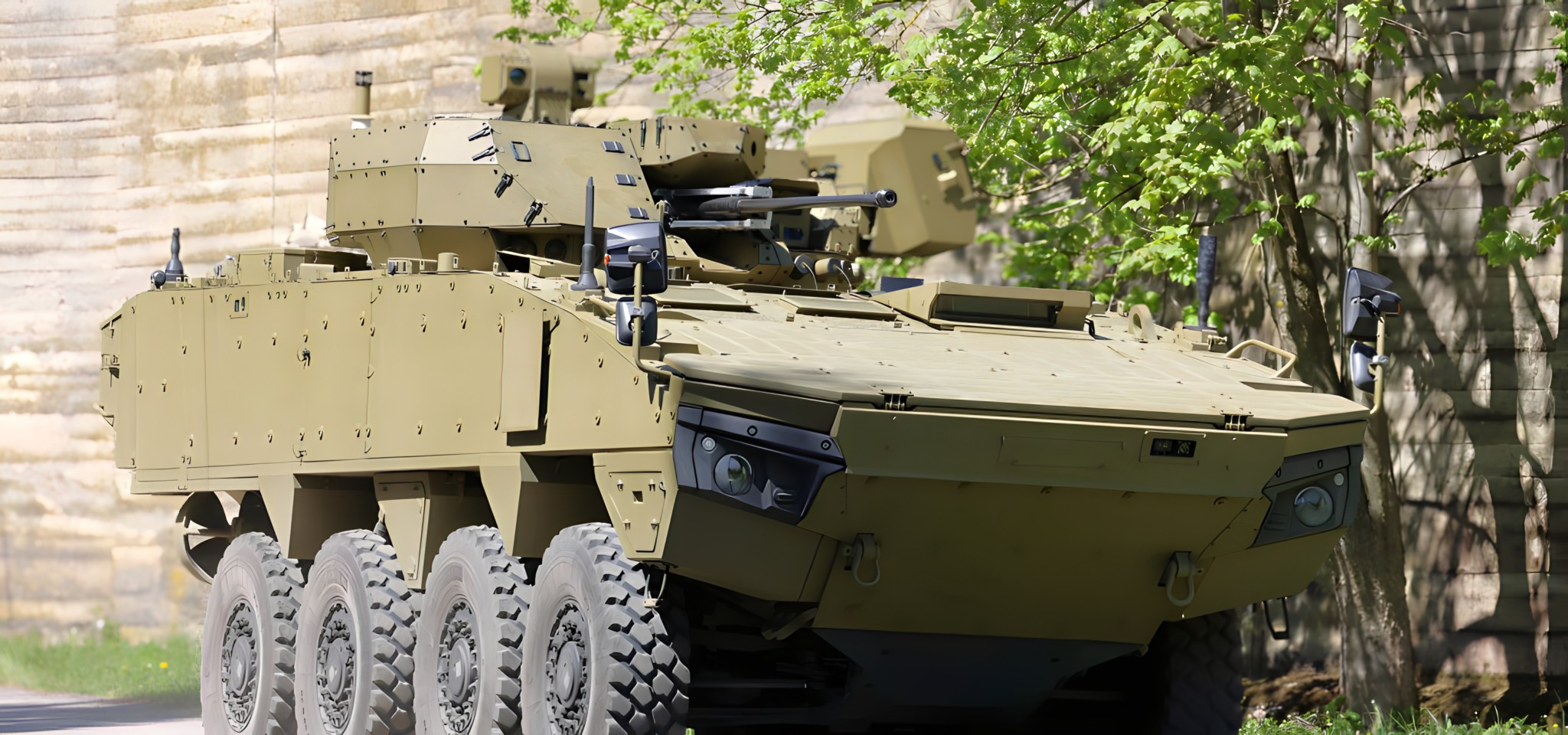
Patria’s President and CEO, Panu Routila, highlighted the AMV XP 8×8 as a product of extensive development, describing it as a sophisticated, modular, and robust armoured wheeled vehicle engineered to deliver advanced capabilities in firepower, protection, and mobility. The company has expressed satisfaction with the growing international interest in its armoured vehicle family.
Jussi Järvinen, Executive Vice President of Patria’s Protected Mobility business area, emphasized the MoUs as a demonstration of Patria’s commitment to close cooperation with the Czech defence industry. He articulated the company’s objective to maximize local participation, stating that Patria views Czech companies as strong potential partners, including for integration into its global supply chain. Järvinen further noted that by combining Patria’s experience in technology transfer with existing Czech industrial capabilities, the company aims to deliver an efficient and sustainable solution that not only strengthens security of supply for the Czech Republic but also meets the specific requirements of the Czech Armed Forces.
The specific variant offered by Patria is the AMV XP 8×8 CZ, tailored to meet the Czech Republic’s stipulated capability requirements and delivery timelines. Patria asserts that this variant will feature a high level of localization, encompassing in-country maintenance and comprehensive lifecycle support. The AMV platform itself is currently in service with armed forces in multiple countries globally, where Patria states it has accumulated extensive operational experience and demonstrated proven interoperability. The company highlights a track record of successful technology transfers implemented across three continents and seven different nations, underlining its experience in facilitating local industrial involvement in its defence projects.
The selection of an 8×8 armoured vehicle platform is a significant procurement for any modern military, providing a versatile solution for troop transport, reconnaissance, and direct fire support across diverse operational environments. Such vehicles are crucial for rapid deployment capabilities and contribute substantially to a military’s operational flexibility and survivability on the battlefield. The Czech Republic’s decision will have long-term implications for its defence posture and industrial landscape.
Why This Matters
This development carries significant implications across several dimensions, ranging from national security and economic impact to broader European defence cooperation and industrial strategy.
Strategic Modernization and Security:For the Czech Republic, the re-equipment program for 8×8 armoured vehicles is a cornerstone of its military modernization efforts. Many Central and Eastern European nations, including the Czech Republic, are actively replacing Soviet-era military hardware with modern, NATO-standard equipment. This shift is critical for ensuring interoperability with allied forces, enhancing operational effectiveness, and strengthening national defence capabilities in a dynamic security environment, particularly in light of ongoing conflicts in Europe. The selection of a robust and proven platform like the AMV XP 8×8 would provide the Czech Armed Forces with enhanced mobility, protection, and firepower, directly contributing to the nation’s security and its commitments within NATO.
Economic Impact and Industrial Development:The commitment to significant domestic industry participation and technology transfer, as outlined in Patria’s MoUs, represents a substantial economic opportunity for the Czech Republic. Such large-scale defence procurements are not merely about acquiring equipment; they often involve considerable industrial offsets, direct investments, and job creation. Integrating Czech state and private enterprises into the production, maintenance, and future development of these vehicles can stimulate high-skill employment, foster technological advancement within the local defence sector, and strengthen the overall industrial base. Furthermore, the potential for Czech companies to become part of Patria’s global supply chain could open new avenues for international trade and collaboration, positioning the Czech Republic as a more significant player in the European defence industry.
Enhancing Security of Supply and Strategic Autonomy:Technology transfer and localized production are crucial for a nation’s security of supply. By developing in-country capabilities for manufacturing, maintenance, and repair, the Czech Republic can reduce its dependence on foreign suppliers for critical military hardware. This enhances the nation’s strategic autonomy, ensuring that its armed forces can sustain operations and adapt to future needs without undue external reliance. It also ensures that expertise and intellectual property related to key defence technologies reside within the country, fostering a more resilient and self-sufficient defence ecosystem.
European Defence Cooperation and Industry Trends:This initiative is also emblematic of broader trends in European defence. With increased defence spending across the continent and a push towards greater industrial cooperation within the European Union and NATO, cross-border partnerships between defence companies and national industries are becoming increasingly common. Such collaborations aim to leverage specialized expertise, share costs, and build a more integrated and efficient European defence technological and industrial base. Patria’s approach reflects a common strategy among leading defence contractors: to offer attractive industrial cooperation packages that meet not only military requirements but also national economic and strategic objectives of potential client states.
Ultimately, Patria’s strategic move in the Czech Republic underscores the multifaceted nature of modern defence procurement, where technological superiority is increasingly paired with robust industrial partnerships and long-term national benefits. The outcome of this tender will significantly shape the future capabilities of the Czech Armed Forces and the trajectory of its defence industry.