
United Kingdom to Invest £360 Million in New Jet Training System, Replacing Ageing Hawk Aircraft for Royal Air Force and Red Arrows
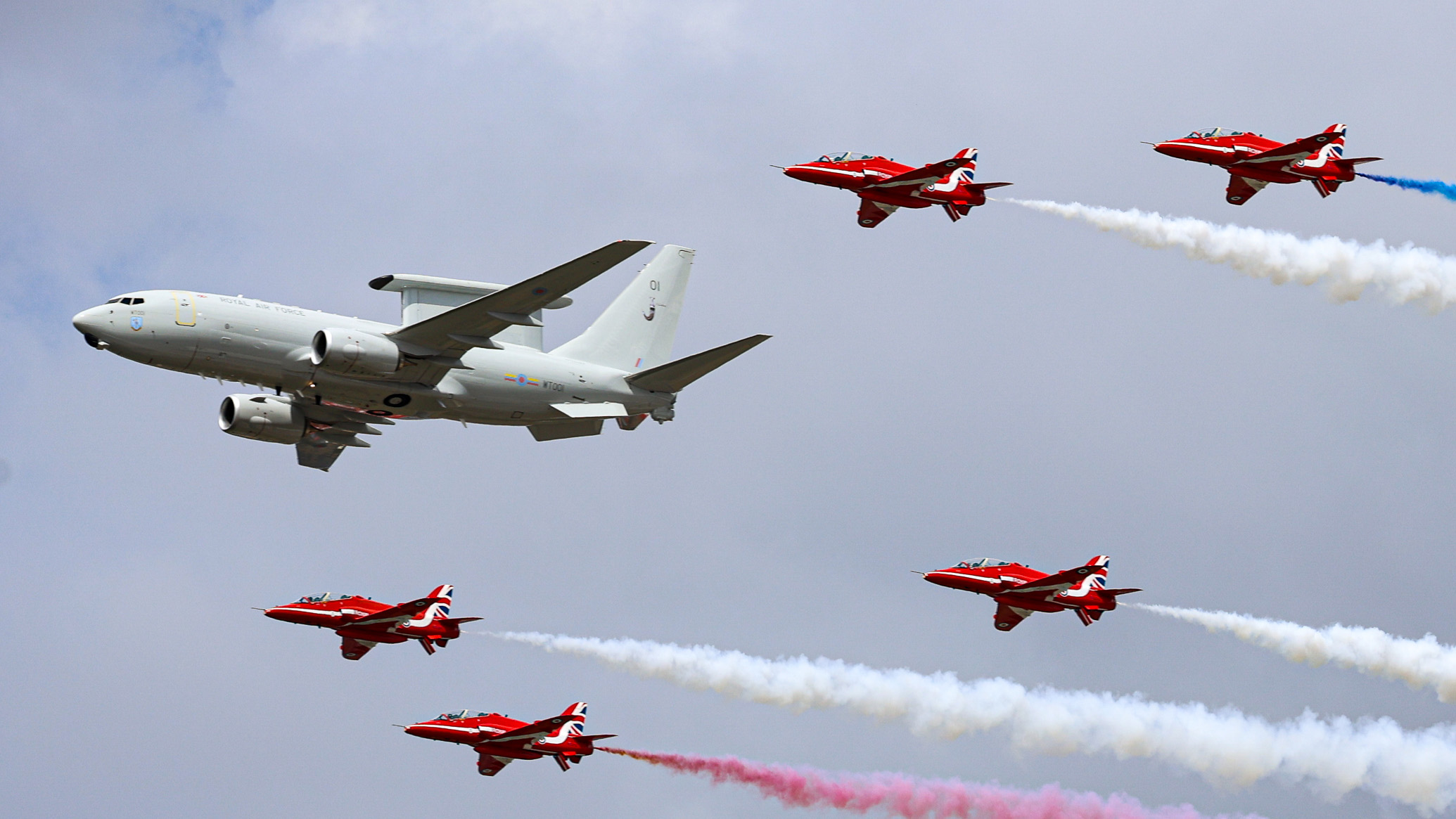
The United Kingdom’s Ministry of Defence has announced a significant investment of £360 million towards a comprehensive recapitalisation of its military jet training system. This strategic funding, detailed in the recently published Defence Investment Plan, is set to provide new aircraft for the Royal Air Force (RAF), crucially including a replacement for the iconic Hawk jets currently operated by the Red Arrows display team.
The Defence Investment Plan explicitly earmarks the £360 million for the “full recapitalisation” of the Jet Training System. This initiative is designed to ensure the RAF can deliver both sovereign training for its own pilots and offer training services to international partners, with a stated emphasis on securing a “significant UK workshare” in the programme. A key outcome of this investment will be the retirement of the BAE Systems Hawk, a venerable aircraft that has served the RAF for decades. For the Red Arrows, officially known as the Royal Air Force Aerobatic Team, the introduction of a new aircraft is anticipated to extend their capacity for“inspiring young generations for decades to come,”a role they have fulfilled with distinction.
This substantial financial commitment arrives amidst growing concerns regarding the operational viability and increasing age of the existing Hawk fleet. The Red Arrows have been synonymous with the Hawk T1, operating the aircraft since 1979. Over the past 45 years, the Hawk T1 has become an enduring symbol of British aerospace engineering and RAF precision. However, the Red Arrows now stand as the sole remaining operator of this specific variant within the RAF, a testament to its longevity but also an indicator of its advanced age. The strain on these airframes has become increasingly evident; earlier this year, the display team notably reduced the number of jets participating in the majority of their renowned Diamond Nine formation displays from the traditional nine aircraft to seven. This adjustment was publicly attributed to the need to alleviate pressure on the ageing airframes, which are slated for retirement from service around 2030. Such a visible modification to their signature display served as a clear indicator of a fleet nearing the end of its operational life.
Beyond the public face of the Red Arrows, the broader and more critical challenge addressed by this investment plan pertains to the advanced training pathway for the RAF’s future fast-jet pilots. This crucial phase of instruction is currently conducted using the Hawk T2 variant at RAF Valley on Anglesey, forming a vital component of the UK Military Flying Training System. While the Hawk T2 represents a more modern iteration of the aircraft, with its fleet of twenty-eight jets having entered service from 2012, it has experienced persistent issues. Specifically, engine reliability problems have frequently constrained the number of aircraft available for training operations on any given day, leading to potential delays and inefficiencies in the pilot training pipeline. Recognising these challenges, the Strategic Defence Review conducted last year explicitly recommended the replacement of both the Hawk T1 and Hawk T2 fleets with a single, cost-effective trainer aircraft. A significant caveat of this recommendation was the imperative for the programme to prioritise the involvement of British industry, underscoring a commitment to national defence manufacturing capabilities and employment.
The Defence Investment Plan, while outlining the strategic direction and financial commitment, refrains from naming the specific aircraft destined to replace the Hawk. The selection process is anticipated to culminate from a competitive tender, which the Royal Air Force has been actively preparing to launch. Earlier this year, the Chief of the Air Staff publicly indicated a desire to initiate such a contest, signalling the urgency and strategic importance of the decision. Several prominent international aircraft manufacturers are expected to put forward contenders for this lucrative contract. Among the front-runners are the Boeing and Saab T-7A Red Hawk, a fifth-generation ready advanced pilot training system that BAE Systems has actively championed for a significant portion of its manufacturing and assembly to be undertaken in the UK, thereby aligning with the ‘significant UK workshare’ requirement. Italy’s Leonardo M-346 Master, an advanced trainer developed from a joint Russian-Italian project, also remains a strong candidate, already in service with several air forces globally. The Korean Aerospace Industries (KAI) T-50 Golden Eagle, a supersonic advanced jet trainer and light attack aircraft, presents another viable option. Notably, a potential clean-sheet British design from the start-up company Aeralis, which had been developing a modular aircraft system intended to offer cost-effective training and light combat capabilities, is no longer in contention after the company entered administration, removing a homegrown competitor from the race.
The emphasis on securing a “significant UK workshare” within this programme carries considerable political weight and national significance. It reflects a broader government strategy to bolster domestic defence industries, safeguard skilled jobs, and foster technological innovation within the United Kingdom. This commitment resonates particularly deeply when considering the Red Arrows, a team widely regarded as a potent national symbol, representing British excellence and ingenuity on a global stage. The prospect of selecting a foreign-designed aircraft to replace the Hawk for such an iconic team has previously drawn vocal opposition, including petitions from former Red Arrows pilots and other stakeholders. These arguments often centre on the desire to maintain a strong link between this national emblem and British engineering and manufacturing, reinforcing the idea that a truly ‘British’ display team should fly a British-built, or at least substantially British-assembled, aircraft. The decision will therefore balance operational requirements with broader industrial strategy and national sentiment, making the competition outcome a closely watched event.
Why This Matters
The decision to invest £360 million in recapitalising the UK’s military jet training system, and particularly to replace the Hawk aircraft for both the Royal Air Force’s advanced pilot training and the Red Arrows, carries multifaceted importance for national security, economic strategy, and cultural identity.
Ensuring Future Defence Capability:At its core, this investment is critical for maintaining the RAF’s operational effectiveness. The persistent engine reliability issues with the Hawk T2 fleet at RAF Valley directly impact the pipeline of future fast-jet pilots. A robust and efficient training system is paramount to producing the highly skilled aviators required to operate advanced combat aircraft like the F-35 Lightning II and Typhoon, safeguarding the UK’s airspace and enabling its participation in international defence operations. Delays or deficiencies in training can have long-term repercussions for national defence readiness.
Preserving a National Icon:The Red Arrows are more than just an aerobatic display team; they are a powerful symbol of British excellence, precision, and soft power. They inspire millions globally, promote British interests abroad, and encourage young people to consider careers in aviation and STEM fields. Replacing their ageing Hawk T1s ensures the team can continue to perform at the highest level for decades to come, maintaining their crucial role in national pride and international diplomacy. The choice of aircraft will also reflect on this national symbol, influencing public perception both at home and abroad.
Boosting UK Industry and Jobs:The emphasis on “significant UK workshare” underscores a strategic commitment to the domestic defence industrial base. This policy aims to secure high-value manufacturing jobs, foster technological innovation, and retain critical skills within the UK. In an era where industrial resilience is a key government priority, such large-scale procurement programmes offer an opportunity to inject investment into the British economy, support local communities, and strengthen the nation’s capacity for independent defence production and maintenance. The competition’s outcome will directly influence which companies and regions benefit from this substantial investment.
Strategic Investment and Value for Money:A £360 million investment represents a substantial allocation of public funds. The successful delivery of this programme, ensuring a cost-effective, reliable, and modern training solution, will be vital for demonstrating sound financial stewardship. The transition to a single trainer type, as recommended by the Strategic Defence Review, aims to streamline logistics, maintenance, and operational costs in the long term, offering greater efficiency for the RAF’s extensive training requirements.
International Standing and Partnerships:A modern and effective jet training system not only serves national needs but also enhances the UK’s attractiveness as a partner for international defence cooperation. The ability to offer advanced training to allied nations strengthens diplomatic ties and collaborative defence efforts. Furthermore, the Red Arrows’ continued presence on the international stage, flying a modern aircraft, reinforces the UK’s global standing and its commitment to international engagement.