
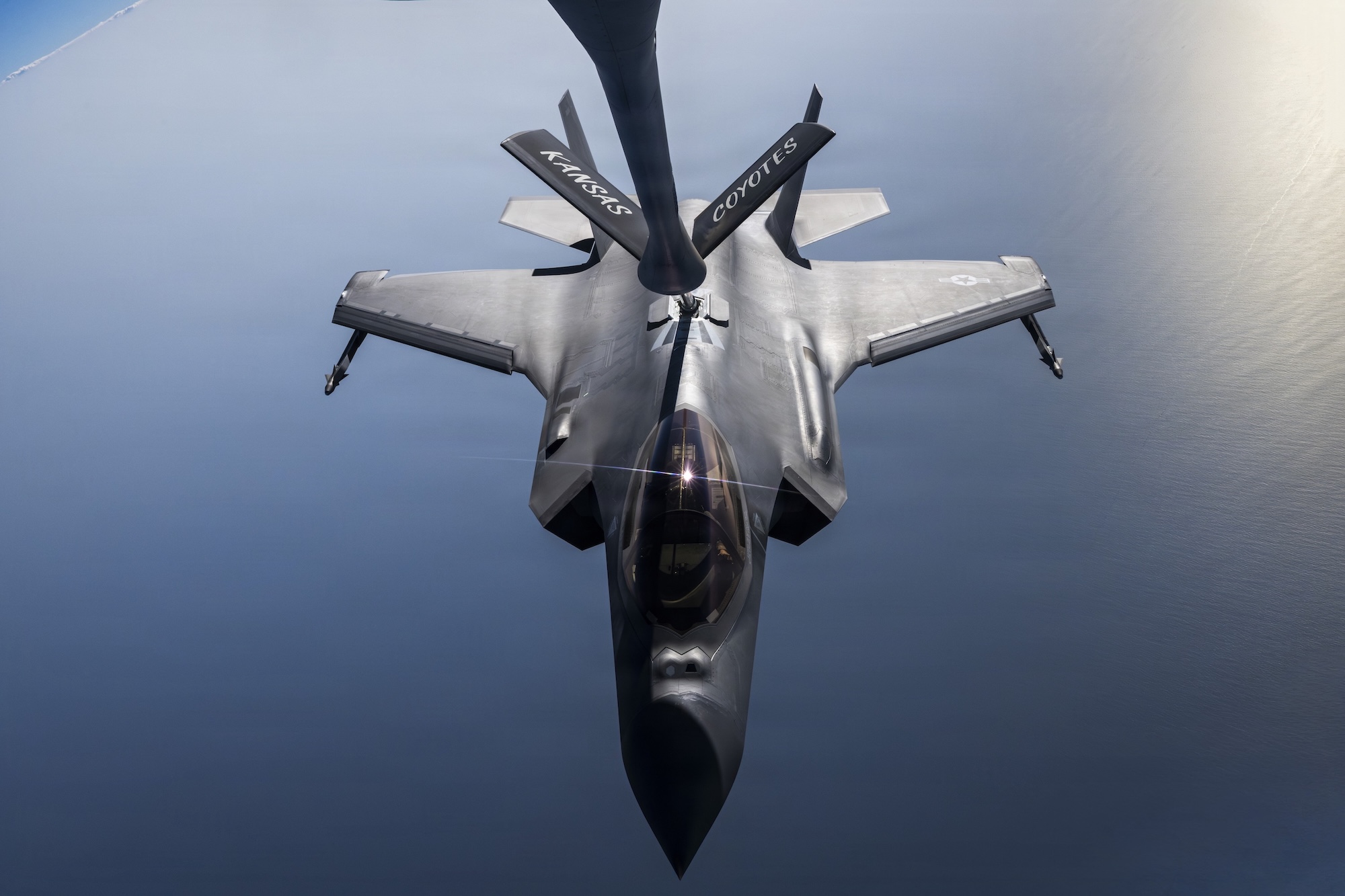
**U.S. Launches Extensive Airstrikes Against Iran Following Commercial Shipping Attacks in Strait of Hormuz**
On July 7, the United States executed a significant series of airstrikes targeting Iranian infrastructure, an action that followed fresh attacks by Iran’s Islamic Revolutionary Guard Corps (IRGC) on multiple commercial vessels navigating the critical Strait of Hormuz. This escalation marks a severe breakdown in the tenuous ceasefire agreement between Washington and Tehran, raising serious questions about the viability of broader diplomatic efforts aimed at de-escalation and nuclear talks.
U.S. Central Command (CENTCOM) confirmed the operation, stating its intent was “to impose heavy costs” on Iran for its recent aggressions against international commercial shipping. The strikes were initiated hours after the IRGC’s actions near the Strait, which CENTCOM condemned as “unwarranted, dangerous, and a clear violation of the ceasefire.”
In a parallel move to intensify economic pressure on Tehran, the U.S. Treasury Department revoked a license that had previously allowed Iran to sell oil internationally. This twin approach of military retaliation and economic sanctions underscores a hardening stance by the U.S. and signals the fragility of the existing diplomatic framework. The two actions immediately prompted concerns regarding the durability of a memorandum of understanding (MOU) that the Trump administration had previously established with Iran. This agreement had been intended to facilitate the safe passage of vessels through the Strait of Hormuz and lay the groundwork for potential discussions on curbing Iran’s nuclear program. Following these developments, global oil prices, which had seen a dip after the initial accord, began to rise again, reflecting market anxieties.
Upon the conclusion of the strikes, CENTCOM reported that approximately 80 targets had been hit across Iranian territory. These targets were carefully selected to “degrade Iran’s ability to continue attacking international commerce” in the Strait of Hormuz. The identified targets included critical components of Iran’s military infrastructure, such as air defense systems, anti-ship missile sites, command-and-control centers, coastal radars, and more than 60 small boats belonging to the IRGC. Iranian state media corroborated reports of explosions in key coastal areas including Sirik, Qeshm, and Bandar Abbas. These locations are strategically important along the Strait of Hormuz and have been frequently associated with previous U.S. military responses.
The ceasefire between Iran and the U.S. has proven repeatedly volatile since its inception, having faltered and been restored on several occasions. The scale and intensity of the July 7 strikes, however, were significantly larger than previous U.S. military responses during the ceasefire period, raising the stakes considerably. Despite the robust military action, U.S. officials maintained that they still consider the broader ceasefire agreement to be in effect, a position that highlights the complex and often contradictory nature of U.S.-Iran relations.
CENTCOM reiterated its commitment to maintaining regional security, stating that its forces “remain postured and prepared to hold Iran accountable when the agreement is not adhered to or obeyed.” This statement underscores a policy of deterrence combined with a stated willingness to engage militarily when perceived violations occur.
International condemnation swiftly followed the Iranian attacks. Saudi Arabia’s foreign minister publicly condemned the actions, specifically noting that Saudi and Qatari tankers were among those targeted. Qatar, a key regional player, echoed this sentiment, describing the Iranian attacks as a “grave and explicit violation of international law.”
According to data from the International Maritime Organization, the Iranian attacks on July 7 constituted the heaviest single-day assault on commercial shipping since April, marking a significant escalation in maritime aggression. The underlying tensions over transit routes within the Strait of Hormuz persist, with the U.S. advocating for a southern route hugging the coast of Oman, while Iran insists that ships should pass through waters it controls near its own territory. This dispute over navigational sovereignty and security adds another layer of complexity to an already volatile situation.
**Why This Matters**
The renewed military and economic confrontation between the United States and Iran carries profound implications for global stability, energy markets, and international diplomacy.
**Global Energy Security and Economy:** The Strait of Hormuz is the world’s most crucial oil chokepoint, through which approximately 20% of the world’s petroleum liquids pass daily. Any sustained disruption or heightened insecurity in this waterway directly threatens global energy supplies, leading to volatile oil prices, increased shipping insurance costs, and potential ripple effects across the global economy. The U.S. Treasury’s revocation of Iran’s oil sales license further restricts Iran’s access to international markets, potentially exacerbating global supply concerns while simultaneously deepening Iran’s economic isolation.
**Regional Stability and Conflict Risk:** This escalation significantly raises the risk of a broader regional conflict. The direct military engagement between the U.S. and Iran, even if framed as retaliatory, could easily spiral out of control. Regional allies like Saudi Arabia and Qatar, whose commercial vessels were reportedly targeted, are directly impacted and may seek further assurances or actions, potentially drawing more actors into the dispute. The Persian Gulf region is already a geopolitical flashpoint, and intensified hostilities could destabilize it further, impacting trade, investment, and humanitarian conditions.
**U.S. Foreign Policy and Deterrence:** For the United States, these actions test the efficacy of its deterrence strategy in the Middle East and its commitment to safeguarding international maritime freedom. The ability of the U.S. to protect commercial shipping routes is central to its role as a global power. The fragility of the ceasefire and the subsequent robust response highlight the challenges in managing complex relationships with adversaries and the difficulties in negotiating lasting diplomatic solutions.
**Future of Iran’s Nuclear Program and Diplomacy:** The breakdown of the ceasefire and the retaliatory strikes severely jeopardize any prospects for talks regarding Iran’s nuclear program, which the previous MOU was intended to facilitate. Iran’s perceived violations and the U.S. response could lead both sides to harden their positions, making future diplomatic breakthroughs more difficult. This could have long-term consequences for non-proliferation efforts and regional security, as concerns about Iran’s nuclear capabilities persist.
**International Law and Norms:** The repeated attacks on commercial shipping represent a direct challenge to international maritime law and freedom of navigation, principles crucial for global trade and peace. The international community will be closely watching how these violations are addressed and whether established norms can be upheld, setting precedents for future conduct in contested waterways worldwide.