
Rolls-Royce Secures Engine Support for Franco-German C-130J Fleet Until 2030
Rolls-Royce has finalized a significant agreement with Sabena technics to provide comprehensive engine support services for the binational French and German C-130J Hercules fleet, with the contract extending through to December 2030. This sub-contract forms a crucial component of the CAROLUS program, a ten-year operational readiness and maintenance initiative designed to ensure the continuous availability of the joint fleet.
The CAROLUS program was officially awarded in January 2026 by France’s Directorate of Aeronautical Maintenance, which designated Sabena technics as the prime contractor. Under this arrangement, Rolls-Royce will participate as the strategic propulsion partner, delivering flight-hour-based sustainment for the AE 2100D3 turboprop engines that power the C-130J aircraft. This support will be provided through Rolls-Royce’s proprietary MissionCare model, which focuses on performance-based logistics and optimized maintenance.
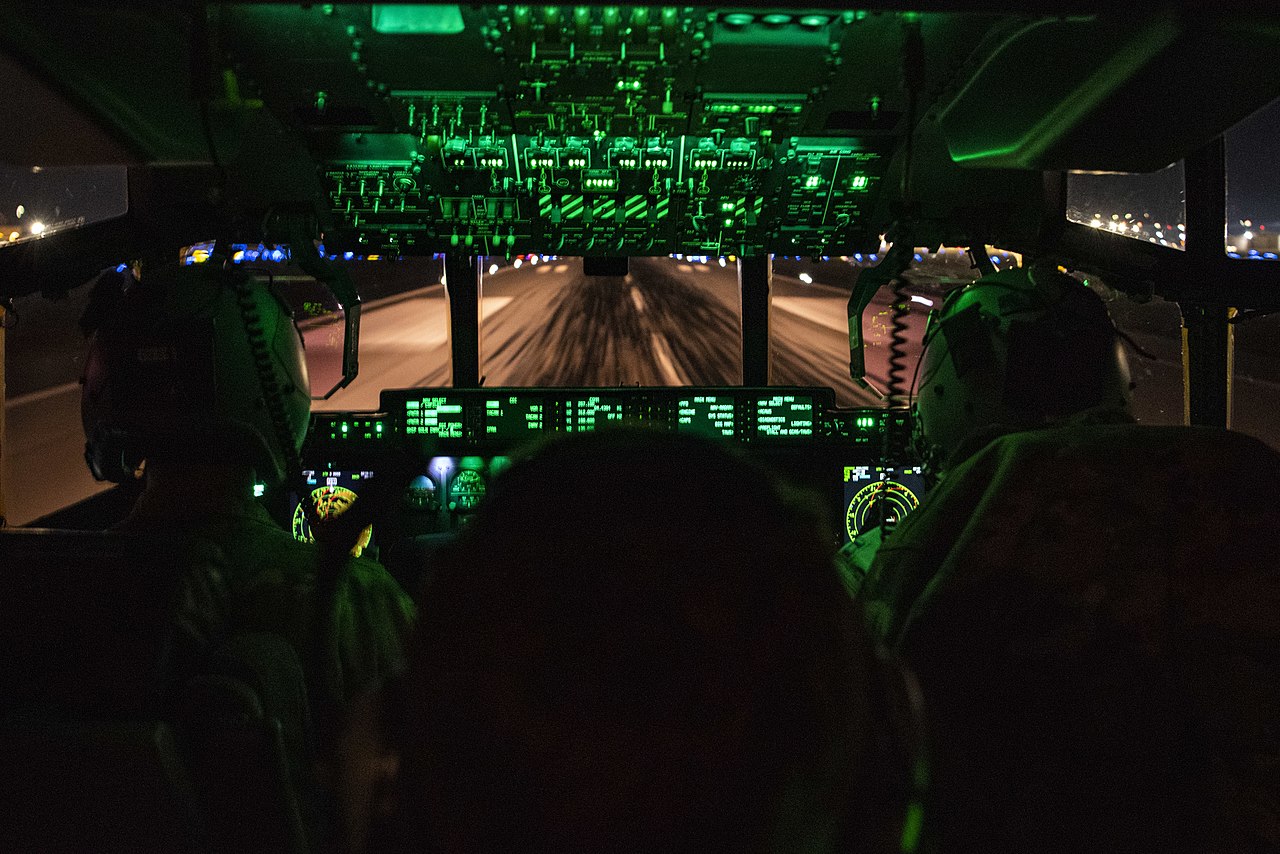
The fleet covered by this agreement comprises ten aircraft in total: five C-130J transport variants and five KC-130J tanker aircraft. These vital assets are operated by the Binational Air Transport Squadron, which is headquartered at Évreux-Fauville Air Base 105, located north-west of Paris. The squadron represents a unique and advanced example of European military cooperation, fostering shared operational capabilities between France and Germany.
To ensure optimal engine performance and readiness, Rolls-Royce will embed its field service representatives directly at Évreux Air Base, where they will work in close coordination with Sabena technics personnel. Furthermore, Rolls-Royce experts will also be stationed at Sabena technics’ main maintenance hub in Bordeaux. This integrated approach, encompassing comprehensive logistics and spares support, is specifically designed to maintain engine operational readiness above pre-defined thresholds, thereby maximizing fleet availability for critical missions.
Meagan Rater, director of US mature programmes for defence at Rolls-Royce, commented that bringing the MissionCare model to this fleet enables the company to integrate its team directly alongside Sabena technics. She described the arrangement as a “hands-on partnership” where the original equipment manufacturer’s (OEM) engineering expertise would be consistently available on the ground every day, facilitating immediate and effective support. Similarly, Hervé Grandjean, chief executive of Sabena technics, articulated his vision under CAROLUS to establish an integrated support network dedicated to guaranteeing availability. He emphasized that having the engine manufacturer embedded with his teams means “we are proactively managing aircraft readiness together,” highlighting the collaborative and forward-looking nature of the partnership.
The Binational Air Transport Squadron at Évreux stands as an unusual and pioneering arrangement within European air transport operations. Established under a Franco-German agreement signed in 2017 and formally activated in 2021, the squadron operates a pooled fleet. This innovative structure involves French and German crews jointly flying the same aircraft, with shared responsibilities for maintenance, training, and operational deployment. Each nation contributed to the ten-aircraft fleet, reflecting a joint commitment to enhancing tactical airlift capabilities.
The unit was specifically created to provide both countries with a crucial tactical airlift and air-to-air refuelling capability. This capability is particularly well-suited for supporting special forces operations and accessing short, unprepared airstrips, roles for which the larger Airbus A400M transport aircraft is generally less optimized. The C-130J’s robust design and versatility make it an ideal platform for demanding expeditionary missions, complementing the strategic lift provided by the A400M.
Regarding aircraft acquisition, Germany procured its three C-130J transports and three KC-130J tankers through the United States Foreign Military Sales program, with deliveries commencing from 2021. France had previously acquired two C-130J transports and two KC-130J tankers. This earlier French purchase was instrumental in bridging a critical capability gap following the retirement of older Transall C-160 aircraft and prior to the full operational deployment of the A400M fleet. The KC-130J variant, in particular, introduced a new and vital capability for both countries, enabling the in-flight refuelling of a diverse range of aircraft, including helicopters, tilt-rotors, and fast jets—a specific capacity neither nation previously possessed in this form.
The AE 2100 engine, central to the C-130J’s performance, is manufactured by Rolls-Royce North America at its Indianapolis facility. This turboprop engine shares a common core with the AE 1107C engine utilized in the V-22 Osprey tilt-rotor aircraft and the AE 3007 turbofan engine. On the C-130J, it delivers approximately 4,600 shaft horsepower, driving a distinctive six-bladed composite propeller. This advanced propulsion system provides the J model with markedly better field performance, improved fuel efficiency, and extended range compared to the earlier Hercules variants it has progressively replaced.
Sabena technics, headquartered in Bordeaux-Mérignac, France, is a significant provider of maintenance, repair, and modification services for both military and civil aviation fleets. The company has a notable history of securing essential support contracts for French Air and Space Force aircraft, including the venerable Transall and various government transport aircraft types, underscoring its established expertise in military aviation sustainment and readiness.
Why This Matters
This long-term agreement between Rolls-Royce and Sabena technics for the Franco-German C-130J fleet carries substantial implications across strategic, operational, and industrial domains for both nations and the broader European defense landscape.
Strengthening European Defence Cooperation and Capabilities:At its core, this contract underscores the ongoing commitment to Franco-German defence integration, a foundational pillar of European security cooperation. The Binational Air Transport Squadron, a unique joint venture, represents a practical and advanced model for enhanced interoperability and shared military resources within Europe. By ensuring the sustained operational readiness of the C-130J fleet, this agreement directly supports the squadron’s ability to execute critical missions that are vital for both nations’ defence strategies and broader NATO commitments. These missions include tactical airlift into austere environments, vital special forces support, and the crucial capability of air-to-air refuelling for a diverse array of aircraft, including helicopters and tilt-rotors—a niche but highly valuable asset for modern expeditionary operations. Maintaining this specific capability, which the larger A400M is less suited for, fills a critical strategic gap and provides invaluable operational flexibility to both France and Germany.
Ensuring Operational Readiness and Efficiency:The adoption of Rolls-Royce’s MissionCare model signifies a modern and highly efficient approach to military aviation sustainment. Moving beyond traditional time-based maintenance, this flight-hour-based model ensures that engine support is directly tied to actual usage, thereby optimizing maintenance schedules and significantly reducing unproductive downtime. The embedding of OEM engineers and technicians directly with the operational and maintenance teams at Évreux and Bordeaux fosters a proactive approach to engine health management. This direct presence facilitates rapid troubleshooting, streamlined spare parts logistics, and continuous performance monitoring, all contributing to higher aircraft availability rates. For military operations where every minute of readiness counts, such a comprehensive and integrated support system is paramount. It aims to deliver predictable costs and guaranteed performance, allowing military planners to better manage resources and deployment schedules, and enhancing the resilience of critical air assets.
Economic and Industrial Significance:For Rolls-Royce, this long-term contract solidifies its position as a key provider of propulsion systems and sustainment services in the competitive European defence market. It highlights the continued demand for specialized OEM support for complex military aircraft engines, reinforcing the company’s strategic importance in the global aerospace industry. For Sabena technics, as the prime contractor for the CAROLUS program, the agreement reinforces its role as a leading European maintenance, repair, and overhaul (MRO) provider, particularly within the military sector. These long-term sustainment contracts contribute significantly to industrial stability, support highly skilled employment, and foster the retention of critical engineering and technical expertise within the European aerospace industry. They also underscore the strategic importance placed on maintaining a robust domestic and regional defence industrial base, which is crucial for sovereign capabilities and technological independence. This collaborative model, blending national military assets with integrated OEM and MRO support, could serve as a blueprint for future multinational defence procurement and sustainment initiatives, aiming for greater efficiency, interoperability, and capability resilience across allied forces.