
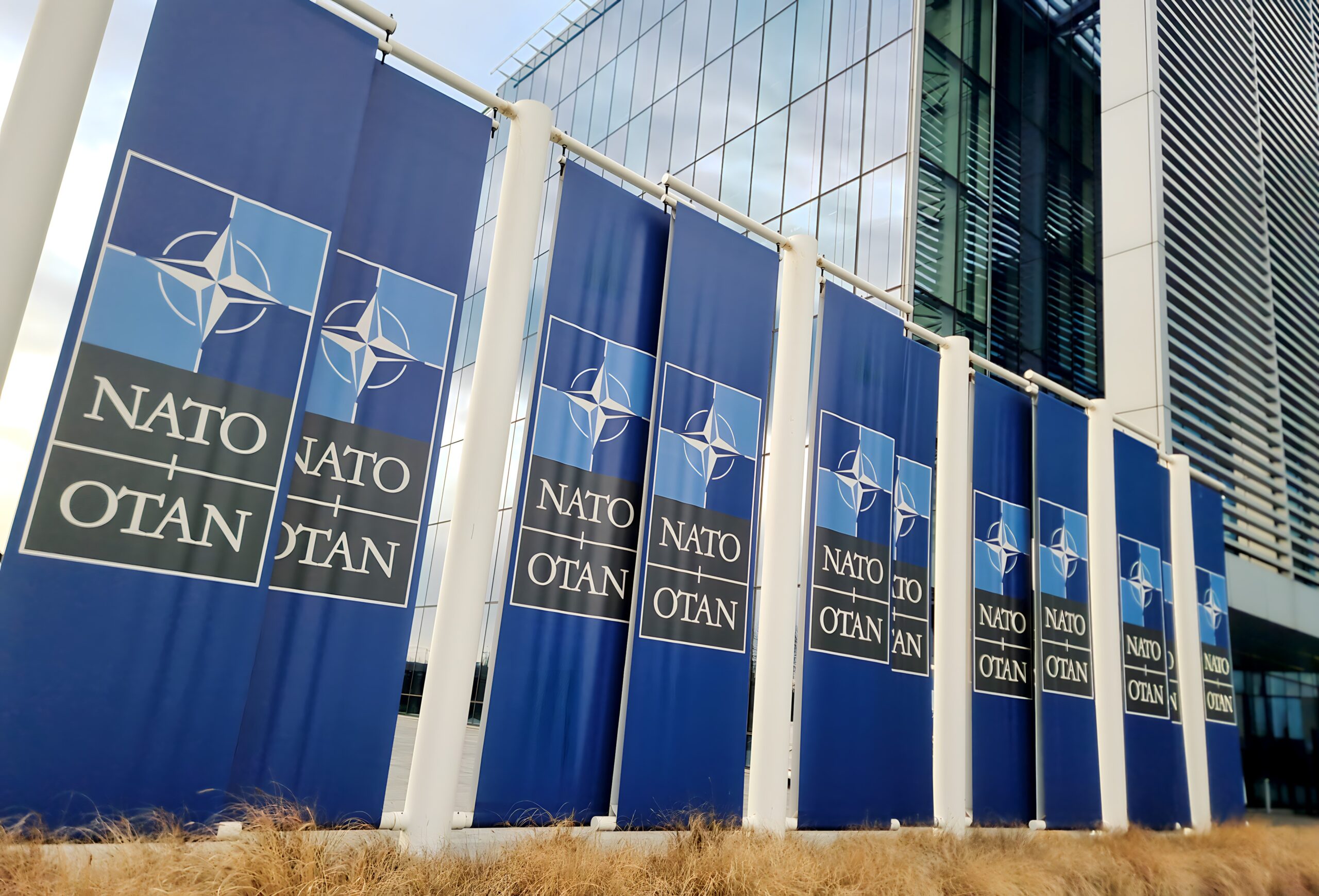
NATO Secretary General Mark Rutte Urges Expedited Military Support for Ukraine Amid Escalating Conflict
NATO Secretary General Mark Rutte has issued an urgent appeal to allied nations, calling for a significant acceleration of military assistance and financial contributions to Ukraine. Speaking at the latest meeting of the Ukraine Defence Contact Group, a forum comprising defence leaders from approximately 50 countries, Rutte emphasized that delays in the delivery of vital weapons and funding are directly resulting in preventable loss of life and have profound implications for the broader Euro-Atlantic security landscape.
Rutte underscored the interconnectedness of Ukraine’s conflict with Russia and the security of NATO member states. “Ukraine’s fight shapes the entire Euro-Atlantic security environment,” Rutte stated. “It directly impacts, as we all know, our own security, and as we work on modernising the alliance and building a stronger Europe and a stronger NATO, we must continue to support Ukraine’s security and help them defend from Russia’s brutal attacks.” He further stressed the critical need for speed, adding, “That means supporting Ukraine with the utmost urgency. And here, let me say that delays simply cost human lives.”
The Secretary General highlighted a concerning trend, noting that the level of civilian deaths in Ukraine has reached its highest point since May 2022. This alarming statistic, he contended, serves as a stark reminder of the devastating human cost of the ongoing conflict and the immediate need for more robust military assistance. “Nations must dig deeper,” Rutte urged the members of the Contact Group. “We do not have a choice, I believe.” His call signifies a recognition that current levels of support, while substantial, may be insufficient to meet Ukraine’s evolving defence needs and counter Russia’s persistent aggression.
Rutte identified several critical military requirements for Ukrainian forces, pinpointing air defence systems, drones, and extended-range ammunition as top priorities. Air defence capabilities are crucial for protecting Ukrainian cities and infrastructure from relentless Russian missile and drone attacks, which have intensified in recent months. Drones, both for reconnaissance and attack, have become indispensable tools in modern warfare, providing vital intelligence and enabling precision strikes. Extended-range ammunition is essential for Ukrainian forces to effectively engage Russian targets at greater distances, disrupt supply lines, and maintain defensive positions along the extensive front lines.
The NATO chief also drew attention to significant shifts in Russia’s military tactics and procurement, including a notable increase in the use of North Korean missiles and jet-powered attack drones. This development suggests Russia is actively seeking alternative sources for military hardware to sustain its invasion, bypassing international sanctions and diversifying its arsenal. The introduction of these new weapon systems by Russia poses fresh challenges for Ukrainian air defences and necessitates a continuous adaptation of defensive strategies and equipment.
In his address, Rutte stressed the ongoing importance of the PURL mechanism. This system, under which NATO allies and partners collectively finance the purchase of American weapons for Ukraine, plays a crucial role in coordinating and streamlining military aid. It allows for a standardized approach to equipment provision, enhancing interoperability and logistical efficiency. According to Rutte, approximately $10 billion had been allocated over the preceding year through PURL and US foreign military sales for Ukraine, with $3.5 billion originating from the Ukraine support loan. These figures, he stated, are evidence of European countries taking on a greater share of the collective effort to sustain Ukraine’s defence. This shift reflects a growing commitment from European nations to bolster their own defence capabilities and contribute more substantially to regional security, particularly in light of evolving geopolitical dynamics and domestic political considerations in some donor countries.
Rutte concluded by reiterating that continued and timely deliveries of military aid are particularly vital for maintaining Ukrainian air defences, which are under constant pressure, and for enabling Ukrainian forces to hold their positions on the front line against sustained Russian assaults. The Secretary General’s remarks serve as a powerful reminder of the urgency of the situation and the collective responsibility of international partners to provide unwavering support to Ukraine in its defence against aggression.
Why This Matters
The urgent call from NATO Secretary General Mark Rutte carries significant weight, underscoring the critical juncture at which the conflict in Ukraine currently stands and its far-reaching implications for global security and stability. His statement highlights several crucial dimensions:
Escalating Humanitarian Crisis:The reported surge in civilian deaths to levels not seen since May 2022 is a grim indicator of the war’s intensifying brutality. This human cost necessitates an immediate and robust international response, as delays in providing defensive capabilities directly translate into more civilian casualties, displaced populations, and destruction of vital infrastructure. Protecting civilian lives and ensuring humanitarian access remain paramount concerns, demanding that military aid prioritizes defensive systems like air defence that mitigate the impact of Russian aggression on populated areas.
The Future of European Security:Ukraine’s defence is inextricably linked to the broader security architecture of Europe. If Ukraine falters due to a lack of support, it could embolden revisionist powers, undermine the principle of territorial integrity, and destabilize the international rules-based order. A secure and independent Ukraine is seen as a bulwark against further Russian expansionism, and its ability to defend itself directly impacts the security calculations and defence postures of all NATO member states, particularly those on the alliance’s eastern flank.
NATO’s Credibility and Deterrence:The alliance’s response to the conflict in Ukraine is a test of its unity, resolve, and credibility as a defensive pact. Rutte’s emphasis on “digging deeper” suggests that the current level of commitment needs to be sustained and, in some areas, increased. A perceived weakening of support could undermine NATO’s deterrence capabilities and send a dangerous signal to potential aggressors worldwide. The alliance’s ability to coordinate and deliver effective aid is vital for demonstrating its continued relevance and strength in a volatile geopolitical landscape.
Adaptation in Modern Warfare:The mention of Russia’s increased use of North Korean missiles and jet-powered drones highlights the evolving nature of modern conflict and the challenges it poses. This indicates Russia’s adaptability in circumventing sanctions and diversifying its supply chains, while also showcasing the growing importance of drone technology and long-range precision weapons. For Ukraine and its allies, this necessitates continuous innovation in defence strategies, electronic warfare, and counter-drone technologies, making the delivery of advanced military aid even more critical for maintaining a technological edge and protecting forces and civilians.
Burden Sharing and Global Responsibility:Rutte’s acknowledgement of European countries taking on a greater share of the financial and military burden underscores a significant shift in responsibility. This rebalancing of contributions is partly a response to the war’s direct impact on European security, but also reflects a broader discussion about strategic autonomy and a more equitable distribution of defence spending within alliances. The PURL mechanism and other funding channels demonstrate a coordinated international effort, but continued pressure for all allies to meet their commitments is essential for sustainable long-term support for Ukraine’s defence and reconstruction.