
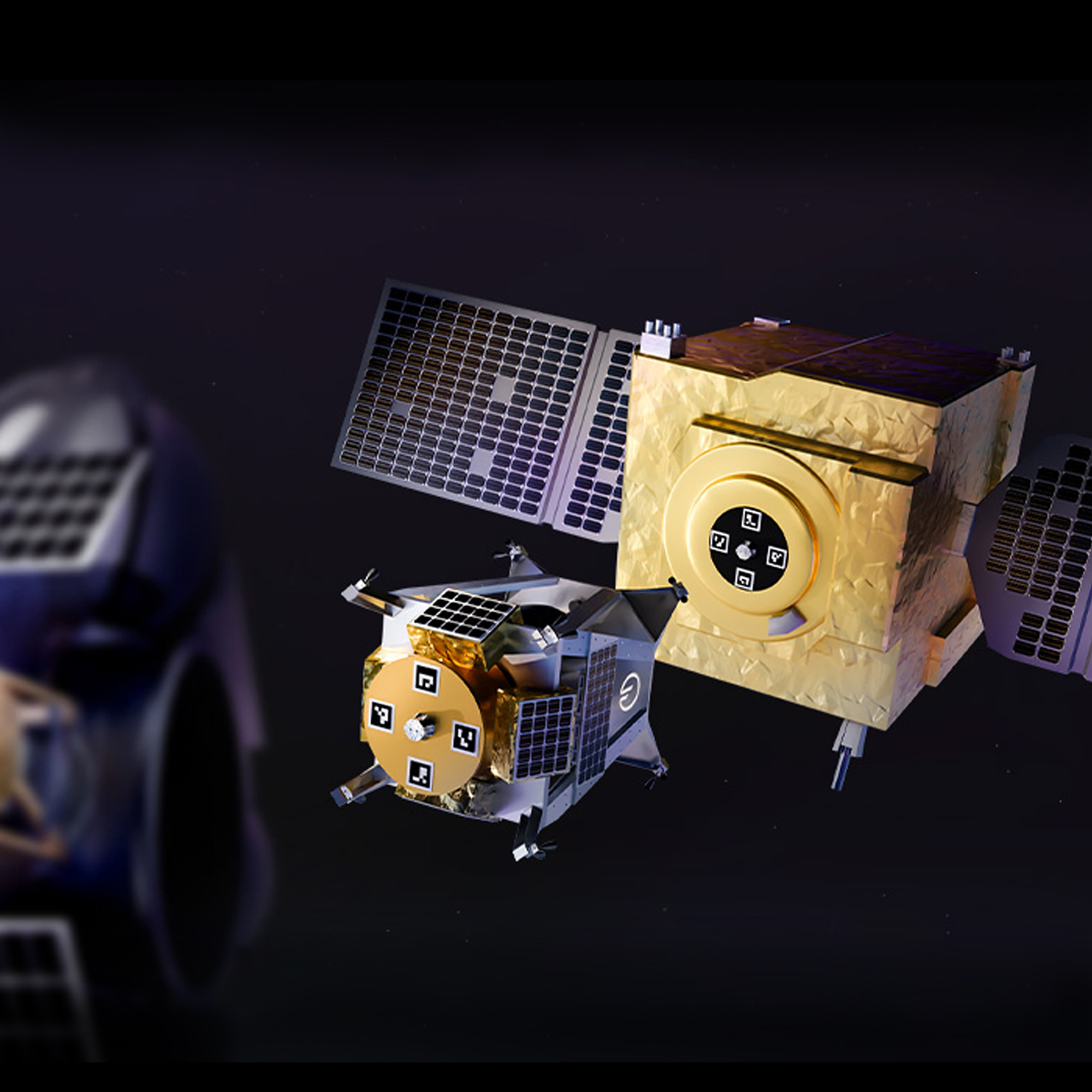
The U.S. Space Force is actively exploring the acquisition of highly maneuverable, on-demand space vehicles to rapidly respond to potential threats and urgent operational needs in orbit, according to a recent industry solicitation. This initiative represents a significant progression in the service’s broader effort to operationalize its Tactically Responsive Space (TacRS) capabilities, transitioning from experimental demonstrations to establishing a resilient and agile presence in the increasingly competitive space domain.
On September 18, the Space Systems Command’s Space Safari program office, which spearheads the Space Force’s TacRS initiatives, issued a Request for Information (RFI) to commercial industry partners. The solicitation expressed a specific interest in procuring spacecraft capable of performing what are known as rendezvous proximity operations (RPO) and docking with other satellites. RPO involves the intricate navigation and maneuvering of one spacecraft in close proximity to another, while docking allows for physical connection. Such capabilities would enable a variety of functions, including the rapid inspection, servicing, augmentation, or even potential defensive interaction with existing space assets, or in response to adversarial activities. The Space Force has indicated a potential need for these advanced capabilities to be available as early as fiscal year 2029.
The RFI explicitly outlines the core mission of the Space Safari program: to “rapidly acquire, integrate, and deploy space systems to address urgent combatant commander needs and emerging threats outside traditional programs of record.” The program’s stated goal is to seek “innovative, cost-efficient solutions for unpredictable mission requirements,” signaling a strategic departure from conventional, often lengthy, defense procurement processes. While the notice did not specify the exact quantity of vehicles the Space Force might acquire, it highlighted a critical performance metric: a target “tasking-to-launch” timeline of just 14 days. This aggressive timeline underscores the imperative for speed and flexibility in responding to dynamic space challenges. Furthermore, the Space Force stressed the importance of modular systems, which would allow for the integration of diverse payloads, enabling last-minute system swaps based on evolving mission requirements or unforeseen circumstances.
Tactically Responsive Space (TacRS) is officially defined by the Space Force as the overarching ability to quickly respond to threats or critical needs in the orbital environment. This concept encompasses a range of actions, from launching a rocket on short notice to repositioning an already-orbiting satellite to replace or enhance another, or rapidly integrating commercial space capabilities during a conflict or crisis. The ultimate objective is to ensure U.S. forces maintain freedom of action and strategic advantage in space, a domain increasingly recognized as vital to national security, economic prosperity, and modern military operations.
Over the past few years, the Space Safari program has actively demonstrated and advanced various TacRS capabilities through a series of dedicated missions. In 2023, the “Victus Nox” mission showcased an unprecedented level of responsiveness when a Firefly Alpha rocket successfully launched a Millennium Space Systems payload just 27 hours after receiving the initial launch orders. This mission served to validate the feasibility of extremely rapid launch operations. Building on this success, late 2025 and early 2026 saw the execution of “Victus Diem,” a combination tabletop exercise and field exercise specifically designed to refine the operational processes necessary for repeatable rapid launches. These exercises were crucial in identifying procedural bottlenecks and developing more efficient protocols for future rapid response scenarios.
More recently, in June, the “Victus Haze” mission further validated multiple TacRS concepts, with a specific focus on dynamic space operations between two satellites. This mission involved a Rocket Lab satellite, launched on demand, and a True Anomaly spacecraft, which was already prepositioned in orbit. The two spacecraft engaged in “dynamic engagements,” taking turns playing adversary roles and conducting pursuits, thereby demonstrating the ability to perform complex orbital maneuvers and interactions, capabilities critical for potential reconnaissance, inspection, or defensive operations in space.
These successful demonstrations have paved the way for the Space Force to transition TacRS concepts into operational reality. The service’s fiscal year 2027 budget request notably includes $86 million specifically allocated for TacRS demonstrations, with a clear intent to utilize this funding to support “operational missions requiring both rapid launch and maneuverable, prepositioned capabilities.” This budgetary commitment signals a strategic shift from experimental validation to practical implementation.
Further reinforcing this strategic direction, budget documents also indicate the Space Force’s plan to establish a “rapid reaction force structure.” This structure would involve maintaining a standing inventory of satellites in production and on hand, ready for immediate deployment when needed. The September 18 RFI for maneuverable spacecraft is considered an early, foundational step toward realizing this comprehensive operational vision.
During a briefing at the Air & Space Forces Association’s Air, Space & Cyber conference, Colonel Bryon McClain, the acting portfolio acquisition executive for space combat power, confirmed the service’s progression. He informed reporters that the Space Force is actively in the process of transitioning TacRS into an “operational system.” McClain also indicated that while additional missions are planned, the Space Force would likely be providing “less and less” public information about them in the future. “You’re probably going to hear a lot less about that overall because we see this as an important warfighting capability, and the last thing you want to do is make that too public,” he stated on September 16, underscoring the sensitive and strategic nature of these evolving capabilities.
Despite the increasing emphasis on operational security, several TacRS missions with public timelines or details have been announced:
- Victus Surgo:A mission co-sponsored by the Defense Innovation Unit (DIU), which will feature a SpaceX Falcon 9 rocket launching a highly maneuverable spacecraft developed by Impulse Space. This mission aims to further test on-orbit agility and responsiveness.
- Victus Salo 1:Scheduled for launch in 2027 aboard a Falcon 9 rocket, this mission will carry a payload built by the Massachusetts Institute of Technology, focusing on advanced research and development in space capabilities.
- Victus Salo 2 and 3:While specific timelines are not yet public, these missions will involve Impulse Space’s pre-positioned Mira orbital maneuver vehicle, indicating a focus on utilizing readily available, pre-deployed assets for rapid response.
- Victus Sol:This mission will see an operational payload launched by Firefly’s Alpha rocket, signifying the integration of TacRS capabilities into practical, mission-critical applications.
Why This Matters
The U.S. Space Force’s accelerated development and operationalization of Tactically Responsive Space (TacRS) capabilities represent a pivotal shift in how the United States approaches national security in the increasingly vital and contested domain of space. This initiative carries significant implications across several key areas:
National Security and Deterrence:Space assets are integral to modern military operations, providing critical services such as global communication, precise navigation (GPS), intelligence gathering, and missile warning. The ability to rapidly launch or maneuver satellites provides a crucial deterrent against potential adversaries. If an adversary recognizes that the U.S. can quickly replace or augment compromised assets, it reduces the incentive for them to attempt disruptive actions. TacRS enhances resilience, ensuring continuity of essential space-based services even under duress, thereby strengthening national security and stability.
Geopolitical Stability in Space:As more nations and commercial entities gain access to space, the potential for congestion, accidental collisions, and intentional interference grows. By developing capabilities for rapid response, inspection, and interaction with other orbital objects, the Space Force aims to maintain situational awareness and uphold norms of responsible behavior. This could help prevent miscalculations and de-escalate potential conflicts by allowing for immediate investigation of anomalies or threats in orbit, fostering a more stable space environment.
Technological Innovation and Commercial Partnerships:The Space Force’s strategy heavily relies on leveraging cutting-edge commercial space technologies, particularly from agile startups. The Request for Information (RFI) for maneuverable spacecraft, with its emphasis on rapid tasking-to-launch times and modularity, fosters innovation within the commercial space sector. This creates a symbiotic relationship where government investment drives commercial development, and commercial agility provides the military with advanced, cost-effective solutions. This model encourages a more dynamic and competitive space industry, beneficial for both national security objectives and broader economic growth.
Evolution of Military Doctrine:The shift from traditional, slow-paced satellite acquisition to an agile, “rapid reaction force structure” marks a significant evolution in military doctrine for the space domain. It signifies a move towards a more dynamic and adaptive operational posture, acknowledging that future conflicts and challenges may demand immediate and flexible responses in space. This paradigm change emphasizes readiness, adaptability, and the ability to operate effectively in a fast-changing and unpredictable environment, moving away from reliance on static, vulnerable assets.
Protection of Critical Infrastructure:Many aspects of daily life, from GPS navigation and weather forecasting to banking and internet services, depend on satellites. Protecting these assets from disruption, whether from natural phenomena, orbital debris, or adversarial actions, is paramount. TacRS capabilities, particularly those involving rendezvous proximity operations and docking, could enable on-orbit servicing, repairs, or defensive maneuvers, thereby safeguarding vital infrastructure and ensuring the continued functionality of services essential to global economies and societies.