
Postponements in the Military Investment Strategy jeopardize the irreversible depletion of vital manufacturing expertise, as labor organizations caution parliamentarians that personnel who exit the industry are improbable to re-enter.
Testifying before the House of Commons Defence Committee, Bob King of Prospect highlighted that the repercussions of these postponements are affecting the whole military industry labor force, from small and medium-sized enterprises to significant projects.“When an individual departs a defence firm… they exit the field. They typically transition to a different industry,”he remarked, further noting that this erosion of expertise renders it substantially more challenging to boost output subsequently.“Should we attempt it again later, the employees are simply unavailable because they have sought opportunities elsewhere.”
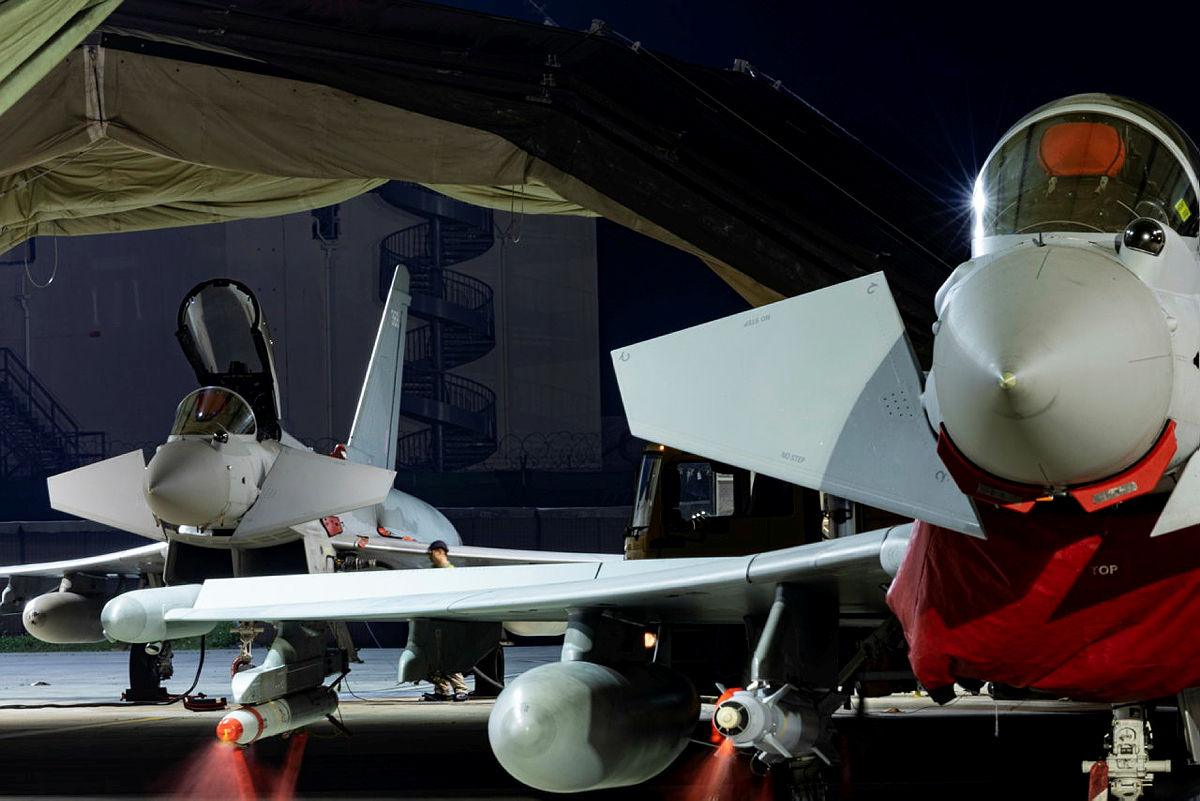
Labor union spokespersons cited prior manufacturing interruptions as proof of the enduring effects. Steve McGuinness from Unite cautioned that the United Kingdom is in danger of re-enacting earlier errors observed in submarine and aerospace ventures, where specialized abilities diminished during times of no new contracts. Within military aviation, he indicated that the scarcity of fresh Typhoon procurements is already influencing the future talent supply chain.“Should we lack the aircraft being produced… we are unable to instruct trainees in its execution. It represents a highly specialized role. That foundation of expertise will be forfeited.”
This predicament encompasses more than just production, reaching into the broader manufacturing environment. King emphasized postponements in initiatives like defence communication systems and the dismantling of submarines, simultaneously alerting that disjointed agreements and personnel deficiencies within the Defence Ministry are exacerbating the difficulty. He stated that after expert personnel depart, re-establishing that capability proves expensive and protracted, frequently necessitating outside assistance.
Testifiers furthermore underscored that contemporary military production cannot be swiftly expanded in the manner observed during World War II. McGuinness observed that sophisticated technologies like high-performance aircraft demand distinctly expert, extensive multi-year training paths.“Constructing a modern fast jet… is an immensely specialized endeavor,”he remarked, further stating that merely a few nations possess such expertise.
The testimony presented to the committee indicates that the postponement of the Military Investment Strategy is not solely impacting ongoing projects but also seems to be undermining the enduring foundation of expertise necessary to maintain independent military capacities. Labor spokespersons cautioned that without unambiguous market indicators and continuous funding, the United Kingdom is in danger of forfeiting vital manufacturing capability that might be challenging, or even unattainable, to recreate.