
Advanced Autonomy Trial for Uncrewed Combat Aircraft Demonstrates Real-Time Adaptability
In a significant development for the future of military aviation, an uncrewed combat aircraft successfully completed an American trial where its autonomy software was directed by “commander’s intent” rather than a pre-defined flight path. This innovative approach allowed the aircraft’s system to dynamically rework its mission plan in real-time as the operational scenario evolved, a capability highlighted by General Atomics Aeronautical Systems (GA-ASI), the company leading the initiative.
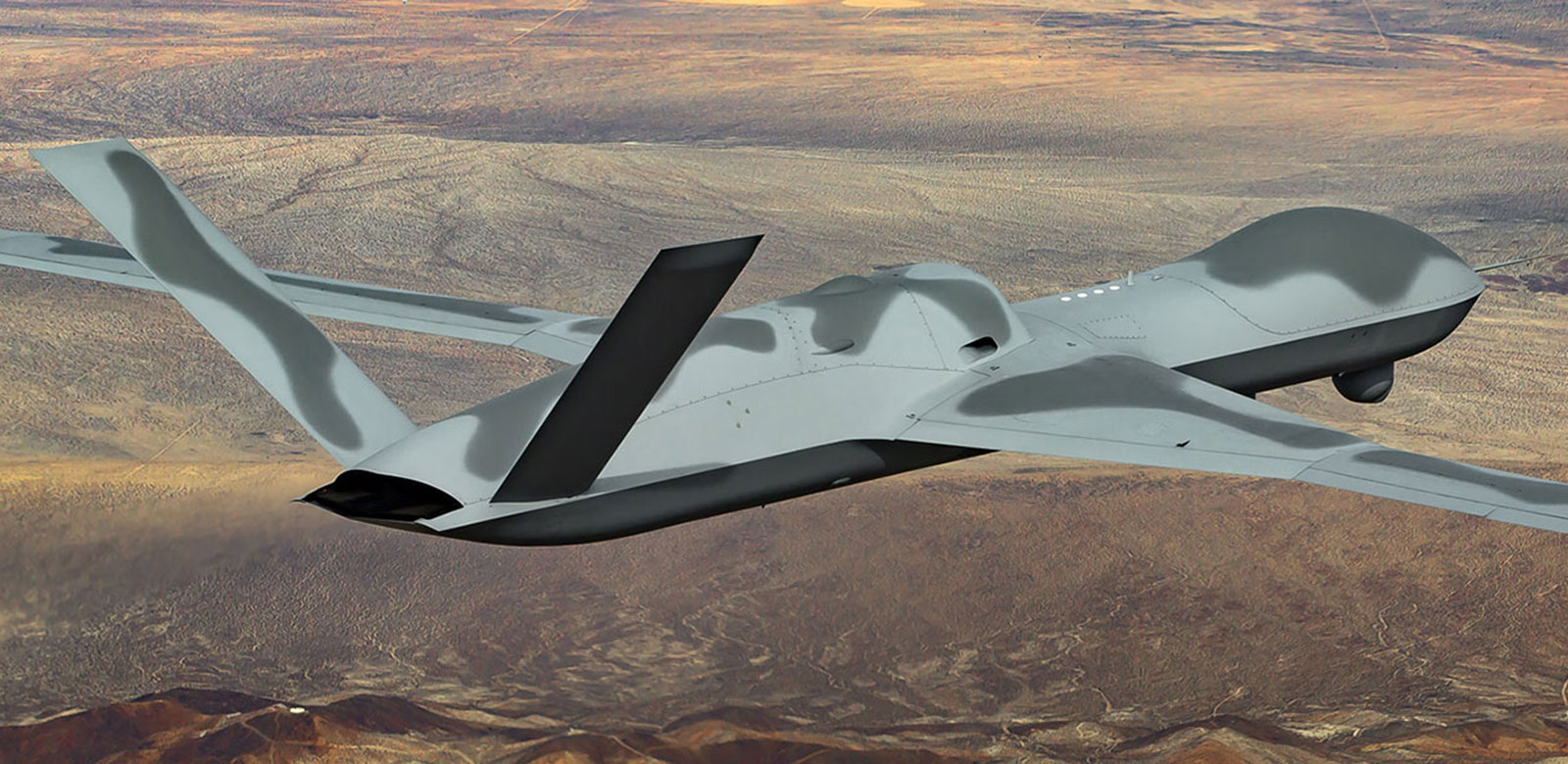
The demonstration, which took place on September 10, involved GA-ASI’s MQ-20 Avenger test aircraft, configured as an autonomous collaborative platform. The exercise, dubbed Gray Flag 2026, was conducted in collaboration with the United States Navy’s Strike Planning and Execution Systems program office. This partnership underscores a joint effort to integrate advanced autonomous capabilities into naval operations, aiming for a more agile and responsive force.
The primary focus of this trial was not merely the aircraft’s flight capabilities, but rather the sophisticated interface and communication protocols linking the Navy’s existing strategic planning systems with the aircraft’s advanced autonomy layer. GA-ASI’s team enhanced the Navy’s current planning tools by incorporating mission context compliant with the Autonomy Government Reference Architecture (A-GRA). A-GRA is a crucial open standard designed to ensure that autonomy software developed by various suppliers can interpret and act upon a common, unified description of a mission. This standardization is vital for fostering interoperability and allowing diverse autonomous platforms to work together seamlessly.
Through this enhanced framework, the Navy’s baseline mission planner was able to transmit high-level objectives, critical operational constraints, and dynamic threat information directly to the autonomy layer. This layer, equipped with advanced reasoning capabilities, could then process this input, adapt the mission plan instantaneously, and make informed decisions on the fly. This represents a substantial leap from traditional methods where uncrewed systems follow pre-programmed routes, often requiring human intervention to adjust to unforeseen changes.
Michael Roberts, Advanced Programs Emerging Technology Director at GA-ASI, articulated the significance of this achievement. “By taking the Navy’s practices, adding A-GRA-compliant mission context, and connecting it to TacACE, we showed that autonomy can understand commander’s intent, coordinate a heterogeneous team of uncrewed aircraft, and adapt the plan using its judgment in real time alongside human pilots,” Roberts stated. His remarks highlight the system’s ability to not only comprehend complex human directives but also to orchestrate multiple uncrewed assets and integrate its decision-making processes with human operators, fostering a true human-machine teaming environment.
TacACE, or the Tactical Autonomy Ecosystem, is GA-ASI’s proprietary software and platform environment. It serves as a comprehensive suite for mission planning, command and control, autonomy configuration, simulation, and post-mission analysis. During the Gray Flag 2026 demonstration, TacACE facilitated a complex scenario that blended live aircraft operations with virtual and constructive participants. This approach is a standard, cost-effective, and safe method for testing intricate military scenarios without deploying a full complement of physical aircraft. The trial encompassed the entire “kill chain” – the sequence of steps from identifying a target to assessing the outcome of an engagement – utilizing passive sensors, which are crucial for maintaining stealth and avoiding detection in contested environments.
The MQ-20 Avenger, a jet-powered uncrewed aircraft system, is known for its high speed, long endurance, and advanced sensor capabilities. Its selection for this trial underscores its role as a versatile platform capable of demonstrating cutting-edge autonomous technologies. The successful integration of “commander’s intent” autonomy with such a sophisticated platform paves the way for future military operations that are more dynamic, resilient, and less reliant on constant human oversight for tactical execution.
Why This Matters
This trial represents a pivotal moment in the evolution of military autonomy, with profound implications for future warfare and defense strategies. The ability of an uncrewed combat aircraft to interpret and act upon “commander’s intent” – high-level objectives rather than granular, step-by-step instructions – signifies a paradigm shift from simple automation to true autonomous reasoning. Here’s why this development is critically important:
Enhanced Operational Speed and Adaptability:In modern combat, situations can change in an instant. Traditional pre-programmed routes are easily rendered obsolete by unexpected threats or opportunities. Autonomy capable of real-time adaptation means uncrewed systems can respond to dynamic environments with unprecedented speed, executing missions more effectively and exploiting fleeting advantages. This agility can be a decisive factor in highly contested battle spaces.
Reduced Human Workload and Risk:By offloading tactical decision-making to autonomous systems, human operators can focus on strategic oversight and higher-level command functions, rather than micro-managing individual platforms. This not only reduces cognitive load but also minimizes the exposure of personnel to dangerous environments, allowing uncrewed systems to undertake the riskiest phases of a mission.
Improved Interoperability and Teamwork:The adoption of standards like the Autonomy Government Reference Architecture (A-GRA) is crucial. It ensures that diverse autonomous systems, potentially from different manufacturers or military branches, can communicate and collaborate effectively. This standardization is fundamental for building a “heterogeneous team of uncrewed aircraft” – where various types of drones, each with specialized capabilities, can work together cohesively, maximizing their collective impact.
Advancing Human-Machine Teaming:The demonstration’s success in allowing autonomy to adapt “alongside human pilots” highlights the progress in human-machine teaming. This isn’t about replacing humans but augmenting their capabilities. Autonomous systems can process vast amounts of data and react faster than humans, freeing up human pilots to focus on complex decision-making, ethical considerations, and strategic planning, fostering a more effective and resilient fighting force.
Strategic Advantage:Nations that master advanced autonomous capabilities will gain a significant strategic advantage. This technology promises to enable forces to operate more effectively in denied areas, extend their reach, and conduct sustained operations with fewer resources. It signals a move towards a future where intelligent machines are integral to military operations, requiring adversaries to develop equally sophisticated countermeasures.
Ethical and Policy Implications:While this technological leap offers immense operational benefits, it also raises critical discussions around the ethics of autonomous decision-making in combat, accountability for actions taken by AI, and the level of human control required. The development of such advanced systems necessitates a robust framework of policy, law, and ethical guidelines to ensure responsible deployment and adherence to international norms.
In essence, this trial is not just about a single successful flight; it is a foundational step towards a future where uncrewed systems possess a higher degree of intelligence and independence, fundamentally reshaping the landscape of military strategy and execution.