
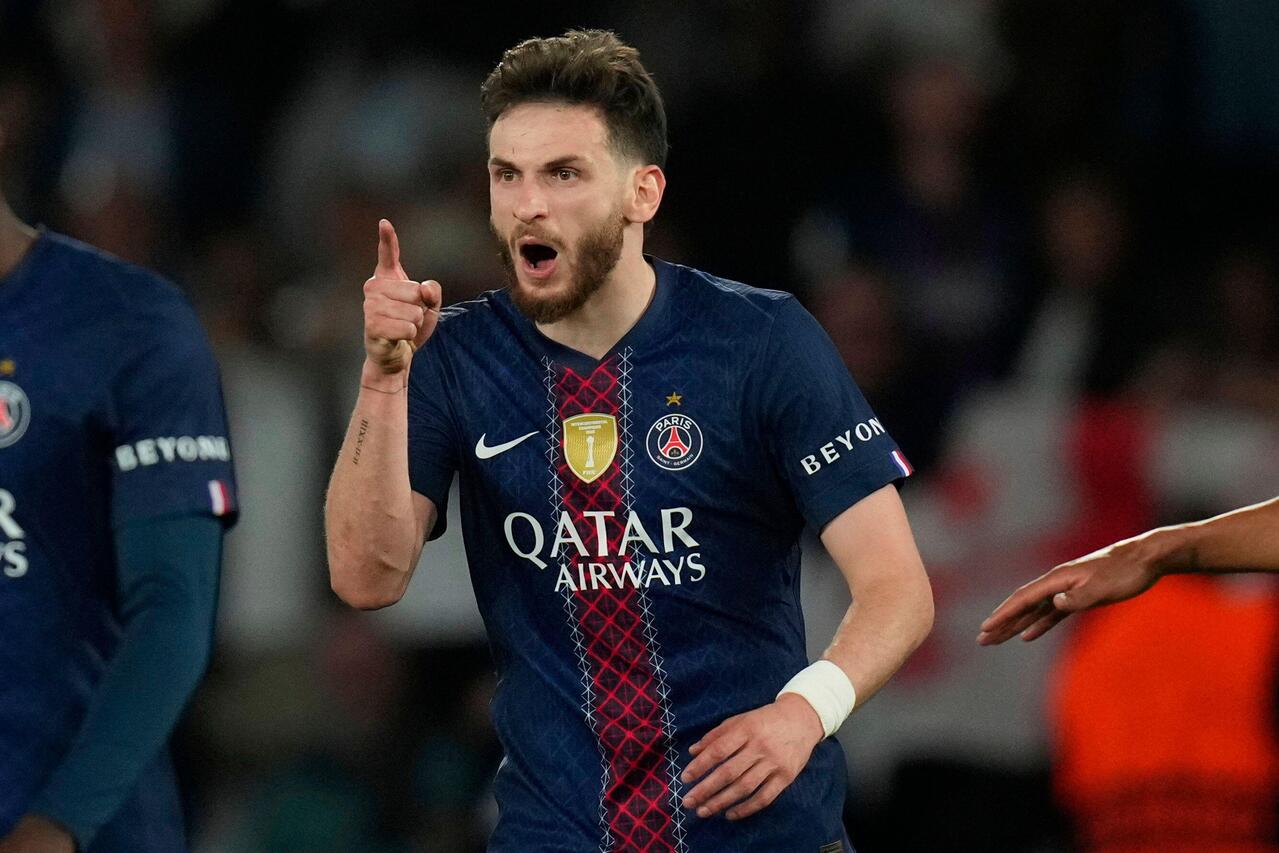
The expanded 48-team format was supposed to banish the specter of big-profile absences, a brave new world where every major footballing nation had a ticket to the grandest show. Yet, as the countdown to this summer’s tournament begins, a shocking reality sets in: the list of elite players condemned to watch from the sidelines is as long and star-studded as any in recent memory. Despite the unprecedented 16 additional berths in North America, a gaping void remains, a testament to the brutal, unforgiving nature of qualification.
The most baffling recurring story in international football continues to haunt us: Italy, the reigning European champions, have missed out for a third consecutive World Cup. Their latest heartbreak came in a gut-wrenching penalty shootout defeat to Bosnia and Herzegovina in the play-offs – a result that sent shockwaves through the footballing world and leaves a nation in despair. But they are not alone in their misery. Powerhouses like Nigeria, the tactical prowess of Poland, the vibrant energy of Georgia, the disciplined unit of Hungary, and the resilient spirit of Ukraine have all failed to secure their passage.
Between these non-qualifiers, a truly world-class XI could be assembled, a dream team of forgotten giants capable of going toe-to-toe with the very best competing in North America. This isn’t just a collection of good players; it’s a formidable squad brimming with Champions League winners, league champions, Golden Boot contenders, and generational talents whose absence diminishes the tournament’s overall spectacle. The world will watch, but a part of its heart will ache for the brilliance that could have been.
The Unseen XI: A World-Class Lineup Denied
Formation: 4-3-3 – A blueprint for domination
Goalkeeper:Gianluigi Donnarumma (Italy)
Right back:Mykhailo Zabarnyi (Ukraine)
Centre back:Alessandro Bastoni (Italy)
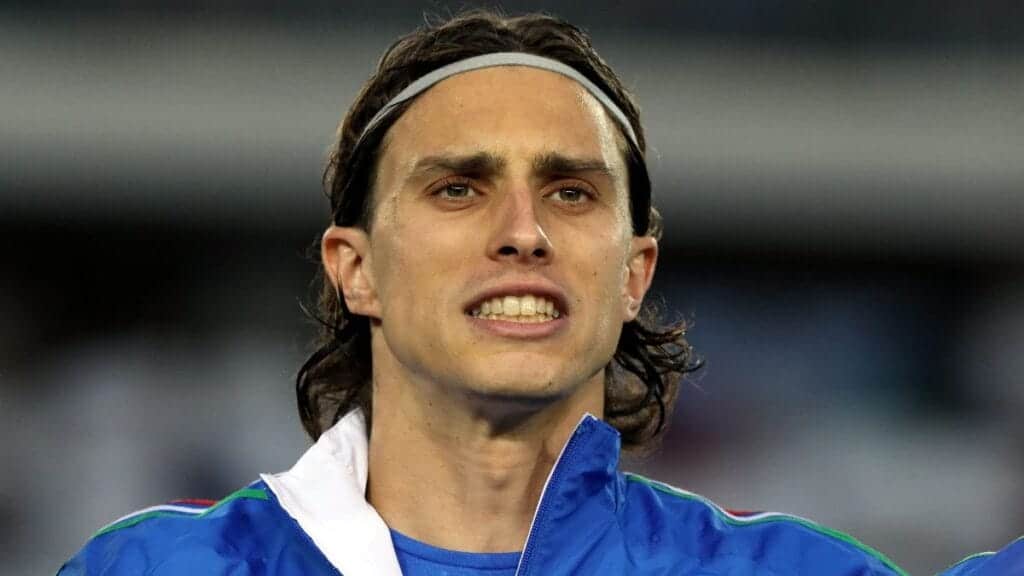
Centre back:Riccardo Calafiori (Italy)
Left back:Federico Dimarco (Italy)
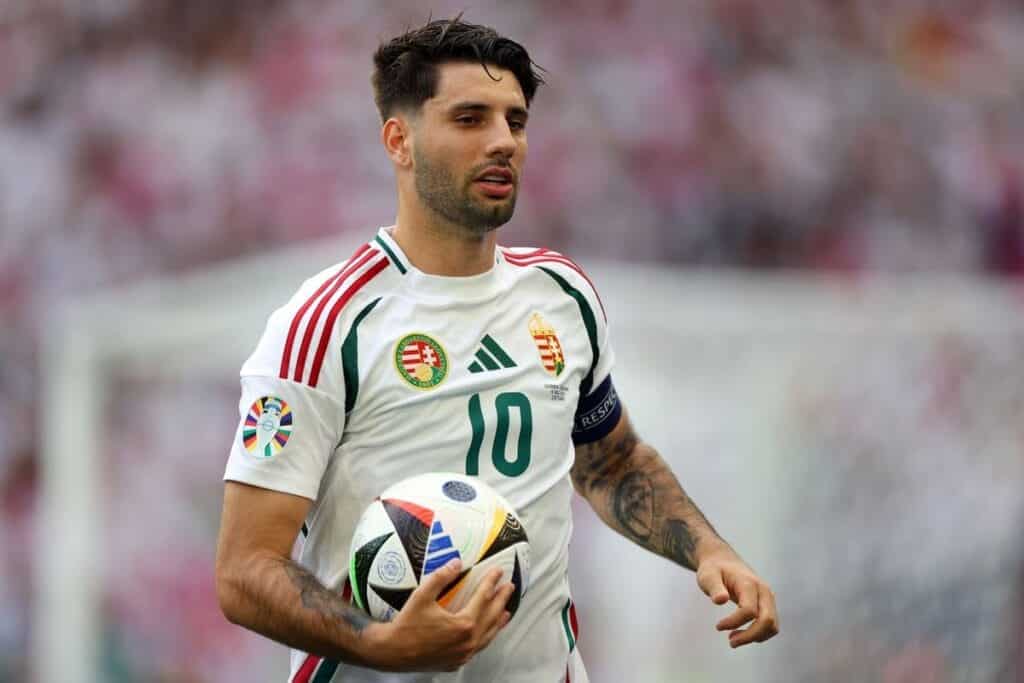
Central midfield:Dominik Szoboszlai (Hungary)
Central midfield:Nicolo Barella (Italy)
Central midfield:Sandro Tonali (Italy)
Right wing:Ademola Lookman (Nigeria)
Striker:Victor Osimhen (Nigeria)
Left wing:Khvicha Kvaratskhelia (Georgia)
A Giant Denied: Donnarumma’s World Cup Curse
It’s an almost unbelievable statistic: Gianluigi Donnarumma, a colossus between the sticks, a European Champion, a Champions League winner, and recipient of the prestigious Yashin Trophy as the world’s top goalkeeper, has never played a single minute of World Cup football. At just 27, he was merely 15 when Italy last graced the World Cup stage. Now, thanks to the Azzurri’s inexplicable inability to navigate qualifying, he will remain without that pinnacle experience for at least another four years. His commanding presence, his penalty shootout heroics, his ability to single-handedly alter the course of a match – all will be conspicuously absent. For a player of his monumental stature, it’s not just a gap; it’s a cruel, gaping wound on an otherwise impeccable international career, a testament to Italy’s inexplicable decline on the global qualifying stage.
Italy’s Unbreakable Wall: A Defensive Masterclass Missed
The heart of this ‘Missing XI’ defence beats with Italian steel. Alessandro Bastoni and Riccardo Calafiori, two of Serie A’s most composed and modern centre-backs, form a partnership that any of the 48 nations in North America would covet. Bastoni, with his elegant distribution and tactical intelligence, has been a bedrock for Inter Milan’s dominance. Calafiori, still only 23, has exploded onto the scene, establishing himself as one of the world’s premier left-footed defenders since his high-profile move to Arsenal, combining brute strength with exquisite technical skill. Their synergy, their ability to build from the back and shut down elite attackers, will be sorely missed.
Completing the Italian defensive trio is Federico Dimarco, a dynamic left-back whose electrifying domestic season for Inter Milan yielded an astonishing 15 assists and seven goals from just 38 appearances. His overlapping runs, pinpoint crosses, and long-range thunderbolts would have added an entirely different dimension to any attack. Alongside them, Mykhailo Zabarnyi, Ukraine’s composed and physically imposing defender, stands tall. His maturity beyond his years and his ability to read the game made him an indispensable figure for a Ukrainian side that narrowly missed out, ending a two-decade absence from the tournament that stretches back to their memorable 2006 quarter-final run. This defensive quartet would have been a nightmare for any opponent.
Midfield Maestros: The Engine Room of Frustration
The midfield is a blend of relentless energy, creative flair, and tactical genius. Dominik Szoboszlai, Hungary’s inspirational captain and Liverpool’s relentless engine, isn’t just a leader; he’s a game-changer. His thunderous long-range strikes, his incisive passing, and his sheer will to win make him, according to Transfermarkt, the most valuable player not gracing this World Cup. His absence is a profound loss for the tournament’s spectacle.
Flanking him are Italy’s two powerhouse central midfielders: Nicolo Barella and Sandro Tonali. Barella, like Donnarumma, has tragically never played World Cup football. His tireless box-to-box dynamism, his intelligent interceptions, and his crucial goals would have provided the heartbeat for any team. At 33 by 2030, North America represented his last, best chance, making his absence all the more poignant. Tonali, still only 25, brings an infectious intensity and a deep technical quality to the position that Italy have desperately struggled to replace at international level. His vision, his tackling, and his ability to dictate tempo would have been invaluable.
The Wing Wizards: Kvaratskhelia’s Magic Denied
The attacking trident is a terrifying prospect. Khvicha Kvaratskhelia, arguably the most exhilarating winger in world football in the 2025-26 season and a standout in the Champions League, will not be at the World Cup. His mercurial dribbling, his audacious flair, and his uncanny ability to conjure goals out of nothing were simply not enough to drag Georgia over the line, despite his individual brilliance. He will have to endure at least another four years for his first taste of the global spectacle, a truly sad state of affairs for fans of attacking football. His absence deprives us of moments of pure, unadulterated genius.
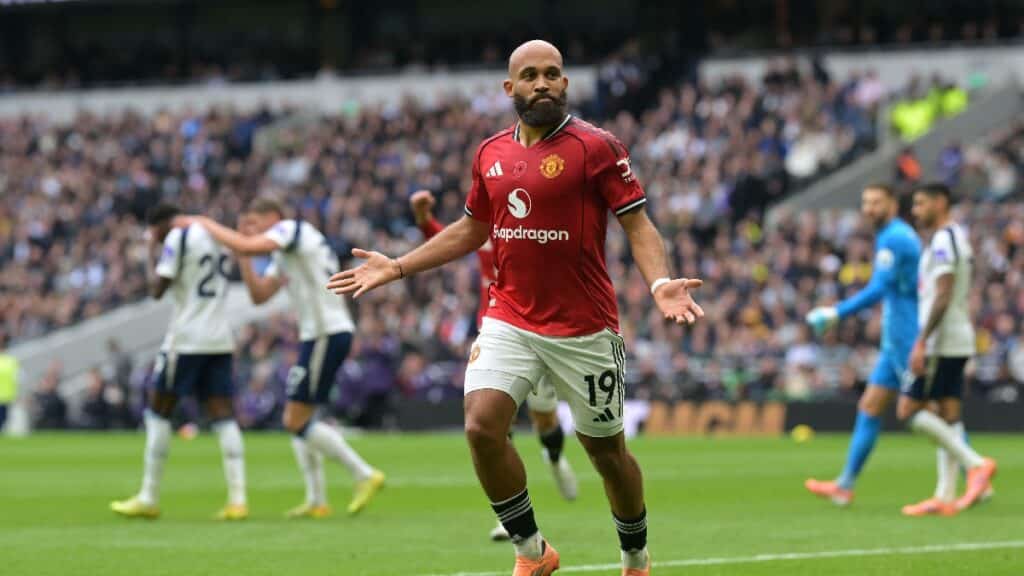
On the right wing, Ademola Lookman, Nigeria’s explosive attacker, offers a devastating combination of blistering pace, directness, and a consistent goal threat. His ability to cut in from the right and unleash powerful shots, or to simply outrun defenders, would have been a nightmare for opposition full-backs. Cameroon will spend the summer ruing his absence, along with that of Bryan Mbeumo, another pacey, goal-scoring winger who could easily slot into this XI. The depth of talent left behind is astounding.
The Predator: Osimhen Leads the Line
Leading this dream attack is Victor Osimhen, Nigeria’s physical phenomenon and a true goal predator. His relentless movement, aerial dominance, and lethal finishing at the highest level of club football make him a natural fit for the grandest stage. Yet, he too will be a bystander after Nigeria’s agonizing play-off defeat. His raw power and instinct for goal would have terrorized defences in North America. The argument for Robert Lewandowski in this position is equally valid, a testament to the immense talent pool. Lewandowski, at 37, was visibly distraught after Poland’s qualifying campaign ended in disappointment, likely closing the book on a World Cup career for one of the most prolific strikers in the history of the game. Choosing between Osimhen’s youthful ferocity and Lewandowski’s legendary clinicality was the hardest call in assembling this truly formidable, yet heartbreakingly absent, XI.
The Bench of Brilliance: More World-Class Talent Left Behind
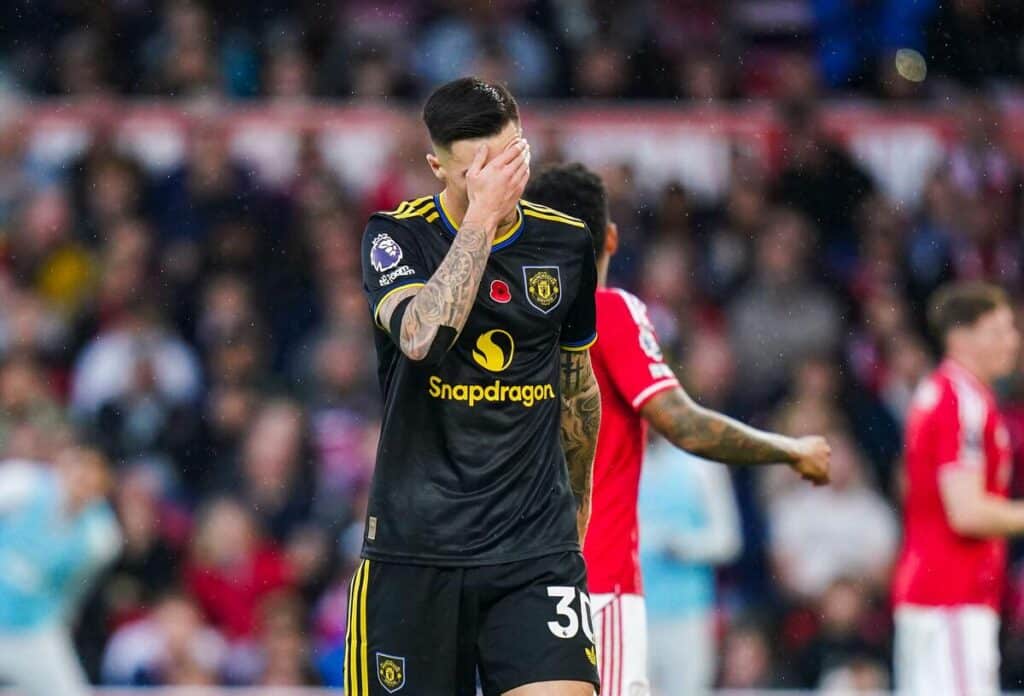
The sheer depth of quality among the non-qualifiers is staggering. The competition for places in this ‘Missing XI’ was fierce enough that several players of genuine world-class quality simply couldn’t be squeezed in. Jan Oblak, the stalwart Atletico Madrid and Slovenia goalkeeper, would challenge Donnarumma in almost any other conversation for the best shot-stopper in the world. Benjamin Sesko, Oblak’s Slovenia teammate, is one of Europe’s most exciting young strikers, a blend of power and precision. Dusan Vlahovic was Serbia’s talisman, a fearsome centre-forward whose qualifying campaign ultimately ended in heartbreak. Beyond Lookman, Bryan Mbeumo (Cameroon) offers another dimension of pace and goal threat on the wing, while Carlos Baleba (Cameroon) provides defensive midfield steel and dynamism. The list goes on, a sobering reminder of the footballing riches that will be absent from North America.
Game Highlights: Moments We’ll Miss on the Grandest Stage
Imagine these moments unfolding in front of millions, under the blinding lights of a World Cup stadium:
- Khvicha Kvaratskhelia’s Dazzling Solo Run:Picture Kvaratskhelia, receiving the ball deep in his own half, embarking on a mesmerising dribble, weaving past two, then three defenders with impossible agility, before unleashing an unstoppable shot into the top corner – a moment of individual brilliance that ignites a nation, a goal that would replay on highlight reels for decades. The World Cup will be poorer without his audacious flair.
- Victor Osimhen’s Power Header:Envision a crucial late-game corner, Nigeria pressing for an equaliser. Osimhen rises above the towering defenders, his incredible leap and neck strength propelling the ball with venom into the net, sending the crowd into a frenzy. That raw, unstoppable force, that predatory instinct, is what he brings to every match, and it’s what we won’t witness.
- Gianluigi Donnarumma’s Penalty Shootout Heroics:The tension is unbearable, a quarter-final decided by penalties. Donnarumma, with his imposing frame and steely gaze, dives full stretch to tip a blistering penalty onto the post, then immediately springs up to save the subsequent effort. He wouldn’t just save a penalty; he’d *win* the shootout, solidifying his legend on the biggest stage. His calm authority in such high-pressure moments is unparalleled.
- Dominik Szoboszlai’s Thunderbolt Free-Kick:Hungary awarded a free-kick 30 yards out. Szoboszlai steps up, the crowd holding its breath. With a swing of his right foot, the ball rockets through the air, dipping and swerving, leaving the goalkeeper rooted to the spot as it nestles perfectly in the top corner. A moment of pure, unadulterated quality and leadership, painting his nation’s name in World Cup folklore.
- Riccardo Calafiori’s Game-Saving Tackle:Deep into extra time, an opposition striker is through on goal, the winner seemingly inevitable. Calafiori, with a burst of speed and perfect timing, slides in, cleanly dispossessing the forward and preserving the draw. His defensive intelligence and composure under extreme pressure would be invaluable.
Prediction: A Tournament of Unfulfilled Potential
The absence of this truly phenomenal XI will undoubtedly cast a long shadow over the 2026 World Cup. While the expanded format promises more inclusivity, it has, paradoxically, failed to guarantee the presence of some of the game’s most exciting talents. This isn’t merely about individual players; it’s about the narratives, the potential upsets, and the sheer quality they bring to the global spectacle. Without Italy’s defensive mastery, Hungary’s midfield engine, or the explosive African and Georgian attackers, the tournament will feel slightly diminished, a grand stage missing some of its most compelling actors.
However, this vacuum also creates an opportunity. Their absence might just pave the way for new, unexpected heroes to emerge, for lesser-known nations to shine brighter without the immediate presence of these giants. The World Cup will still deliver drama and excitement, but there will always be a lingering question: “What if?” What if this ‘Missing XI’ had been given their chance? My prediction is that while the tournament will still captivate, it will also serve as a stark reminder of the fine margins in international football, and the collective sighs of disappointment for the brilliance that could have been.