
The final whistle has blown on Gianni Infantino’s audacious, yet ultimately ill-fated, grand design for the World Cup’s commercial future. In a dramatic display of power, pushback, and a swift, tactical retreat, FIFA’s governing body has acknowledged its president’s deeply controversial plan to sell stakes in football’s crown jewel “should have been handled differently.” This isn’t just a corporate statement; it’s the post-mortem of a high-stakes power play that rocked the very foundations of global football governance, leaving lingering questions about transparency, leadership, and the future direction of the beautiful game.
The Forward Enterprise (FFE) proposal, an initiative that promised a financial windfall to member associations while simultaneously inviting private investment into FIFA’s most valuable assets, sparked a furious backlash. The threat of a full-blown boycott from European powerhouse UEFA and its formidable members sent tremors through the sport, forcing Infantino to abandon a vision he had fiercely defended just days prior. The “divisions” he now admits to were not minor cracks; they were chasms that threatened to tear FIFA apart, proving that even the most compelling financial incentives cannot always override a collective sense of institutional integrity – or at least, the perception of it.
The Post-Match Analysis: FIFA’s Statement Under the Microscope
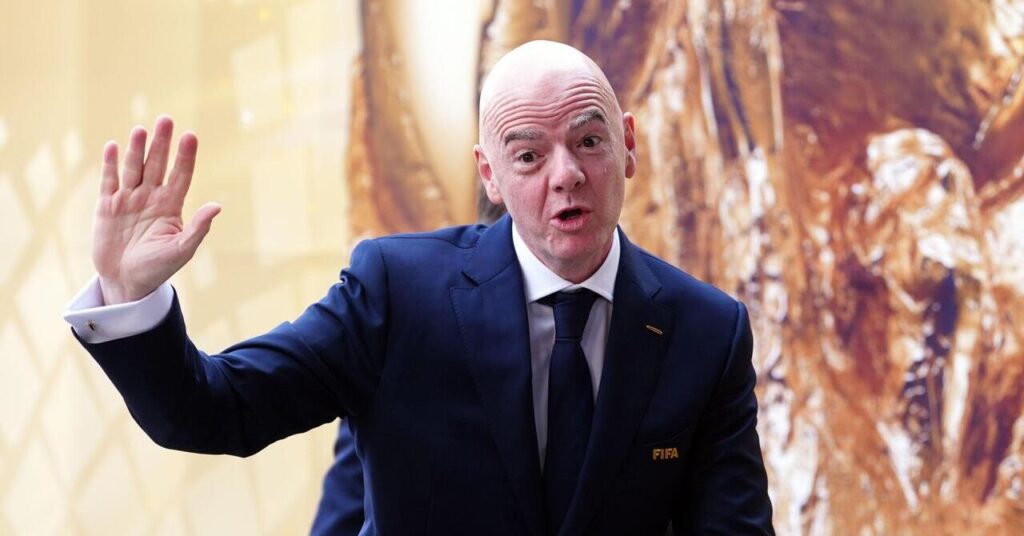
Following an emergency huddle in Rabat, FIFA’s Secretary General and key Management Board members issued a statement that walked a tightrope, reaffirming their “full support” for Infantino as the “only official elected” by the associations, while simultaneously throwing a life raft to critics by acknowledging procedural missteps. This isn’t an admission of guilt as much as it is a masterclass in damage control, a delicate balancing act designed to restore equilibrium without unseating the captain.
The timing couldn’t have been more pointed, coming just hours after Canadian Prime Minister Mark Carney, a figure known for his sharp financial acumen, delivered a scathing critique. Carney declared Infantino’s failure to consult senior advisors, including FIFA’s chief operating officer and board members, “should be fatal.” This wasn’t merely an external observation; it was a damning indictment of internal governance, suggesting a unilateral approach that bypassed established protocols and undermined the very structure designed to ensure accountability. For a body still struggling to shake off the specter of past corruption scandals, such an accusation is not easily dismissed.
“It was discussed and agreed that the processes, communications and interactions between the FIFA President, the FIFA Secretary General and the FIFA Management Board that support the delivery of [Infantino’s] vision can and should always be continuously improved in terms of their effectiveness and efficiency,” FIFA’s statement read. This corporate jargon, while seemingly benign, is a thinly veiled concession that the communication lines were not just frayed, but potentially severed. The irony is palpable: celebrating the “great work” that ensured a successful FIFA World Cup 2026 delivery, which “would not have been possible without the FIFA President, the FIFA Secretary General and FIFA Administration speaking as one voice and working as one team,” while simultaneously admitting the very same team spectacularly failed to communicate on a flagship proposal. It’s a paradox that speaks volumes about the internal dynamics at play.
The statement concludes with a hopeful, if not somewhat defiant, tone: “In this regard, FIFA’s top management is fully confident that the outcomes of today’s meeting will strengthen FIFA’s governance, help restore confidence in the organisation and enable us to prepare for the major events and challenges ahead in a united and transparent manner while continuing our mission to develop the game around the world.” A noble sentiment, but one that begs the question: how much confidence can truly be restored when the organization admits to such fundamental errors in judgment and process?
Infantino’s Retreat: A Tactical Withdrawal or a Forced Concession?
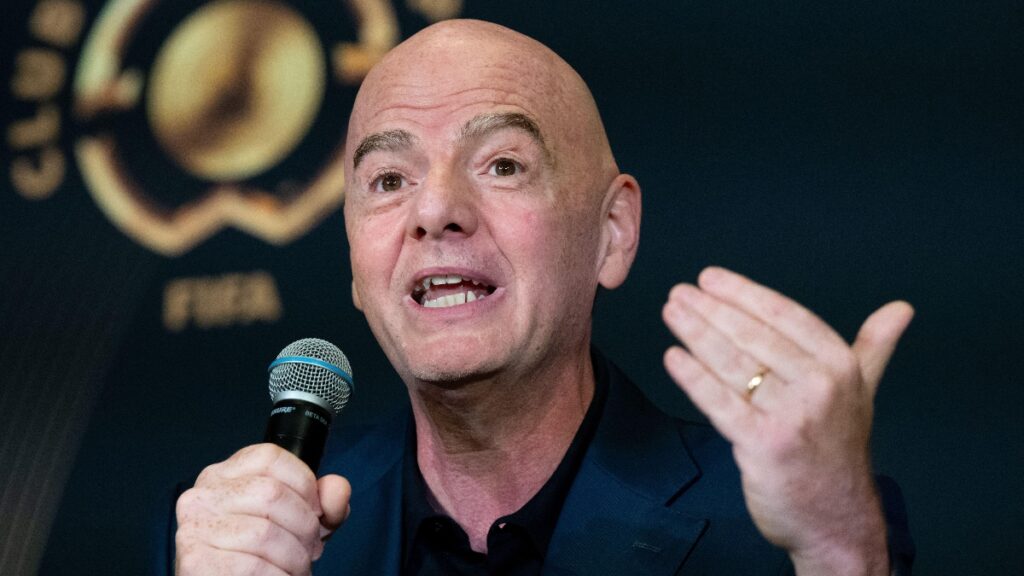
The statement went further, admitting “mistakes” around the investment proposal. “It was agreed that it was not the intention for the FIFA Council and FIFA Member Associations to feel excluded from the process and that the process should have been handled differently,” it added. This is a crucial admission, confirming that the central complaint of a lack of consultation was valid. The additional acknowledgment that “errors were also made after the proposal was leaked to media” suggests a scramble to contain the narrative once the details became public – an all too common scenario in high-stakes corporate maneuvers.
An apology, reportedly sent in a separate letter, promises these “errors” will not happen again. A review is now underway, with a report due at the next FIFA Council meeting. With the FFE proposal definitively “off the table,” FIFA then pivoted to a stern warning: it “will no longer tolerate any attacks on its integrity, good governance and due process and will take all necessary measures to protect and safeguard its name and reputation.” This line, delivered immediately after admitting to significant errors, feels less like a genuine commitment to reform and more like a defensive posture, a veiled threat against further scrutiny. It’s a classic move: admit minor flaws, then declare an end to the discussion, warning off any future dissenters.
“There are always lessons to be learned and FIFA will continue to improve its processes in light of this experience,” the statement continued, before adding a crucial caveat: “In this instance, however, it is important to stress that, although mistakes were made, everything that was done was done in full compliance with the FIFA regulatory framework.” This is the ultimate linguistic tightrope walk – acknowledging errors while simultaneously asserting that no rules were *technically* broken. It’s a message designed to soothe fears while insulating the leadership from any real repercussions. FIFA promises to work closely with stakeholders to support game development through the FIFA Forward programme, a programme that, ironically, was at the heart of the controversial FFE proposal, albeit in a different guise.
The Unveiling of the FFE: A Vision of Lucrative Leverage
The initial concept was bold: sell a percentage of the commercial rights to FIFA’s most prestigious events – the men’s and women’s World Cup – to private investors, forming a new subsidiary, FIFA Forward Enterprise (FFE). Reports linked Thrive Eternal, an American venture capital firm founded by Joshua Kushner (brother of Jared Kushner, son-in-law to Donald Trump), as the lead investor. Even more controversially, whispers suggested Infantino himself would assume the role of FFE chief executive, potentially commanding an annual salary akin to NFL commissioner Roger Goodell’s staggering $64 million, a monumental leap from his current approximate $6 million. This wasn’t just about developing the game; it was about transforming FIFA into a commercial behemoth, with its leadership positioned at the apex of an unprecedented financial enterprise. The allure of such power and wealth, dangled before member associations as a £30 million sweetener, was a potent, if ultimately toxic, cocktail.
Game Highlights: The FIFA FFE Showdown
First Half – The Audacious Kick-Off (Early Stages of FFE Proposal):
- Infantino’s Power Play:The FIFA President unveils the FFE, a high-stakes scheme to inject private capital into FIFA’s most lucrative assets, the World Cup commercial rights. The move is presented as a progressive step, promising £30 million to each of FIFA’s 211 member associations – a tempting financial incentive designed to garner support and secure a mandate.
- The Whispers of a New Empire:Reports surface of Infantino potentially heading the FFE with a vastly inflated salary, sparking immediate questions about personal ambition intersecting with organizational governance.
Midfield Battle – The European Wall (UEFA’s Intervention):
- UEFA Draws a Line in the Sand:European football’s governing body and its powerful members launch a fierce counter-attack. The FFE proposal, seen as a direct challenge to their influence and a threat to football’s core values, is met with unprecedented resistance.
- The Boycott Threat:The ultimate deterrent is deployed – a credible threat of a boycott of FIFA tournaments. This sends a clear message that Europe will not stand idly by as the commercial heart of global football is potentially privatized without due consultation or transparency.
VAR Check – External Scrutiny (Carney’s Critical Review):
- The Financial Referee Steps In:Canadian Prime Minister Mark Carney, a respected voice in global finance, enters the fray. His assessment is brutal: Infantino’s failure to consult key advisors constitutes a “fatal” governance error, shifting the debate from financial strategy to fundamental leadership integrity.
Second Half – The Tactical Retreat (Infantino Backs Down):
- The President’s Admission:Facing overwhelming opposition and the threat of institutional schism, Infantino acknowledges “divisions” and concedes the FFE proposal must be withdrawn. This marks a significant strategic retreat, a recognition that the political cost outweighs the potential financial gains.
- FIFA’s Damage Control:The Management Board issues a carefully worded statement, reaffirming support for Infantino while admitting “mistakes” in process and communication. It’s an attempt to restore unity and public confidence after a period of intense turbulence.
Full-Time Whistle – The Aftermath:
- Promises of Improvement:FIFA pledges to improve governance, conduct reviews, and ensure transparency, aiming to mend the rifts created by the FFE saga.
- The Warning Shot:The organization simultaneously issues a stern warning against “attacks on its integrity,” signaling a desire to close the chapter while maintaining a strong front against future criticism.
Prediction: A Pyrrhic Victory and Lingering Shadows
The FFE saga has concluded, not with a triumphant victory, but with a forced retreat and a heavily managed narrative. While Gianni Infantino has survived this particular tempest, his authority has undoubtedly been challenged, and his vision of a commercially driven FIFA, operating with broad executive power, has been significantly curtailed. The immediate future will see FIFA scrambling to rebuild trust and demonstrate genuine commitment to its promised governance reforms. However, the scars of this battle will linger. The threat of private enterprise seizing control of football’s most valuable assets remains a potent undercurrent, and the allure of immense wealth will continue to shape decisions within the corridors of power. Expect Infantino to adopt a more consultative, albeit perhaps more subtly manipulative, approach in the short term. Yet, the long-term prediction is that the ambition for significant financial leverage and consolidation of power within FIFA will not dissipate. This was merely a lost battle in an ongoing war for the soul and financial direction of global football, and we should anticipate future skirmishes, perhaps less overt but equally strategic, as FIFA continues to grapple with its identity in an increasingly commercialized sporting landscape.