
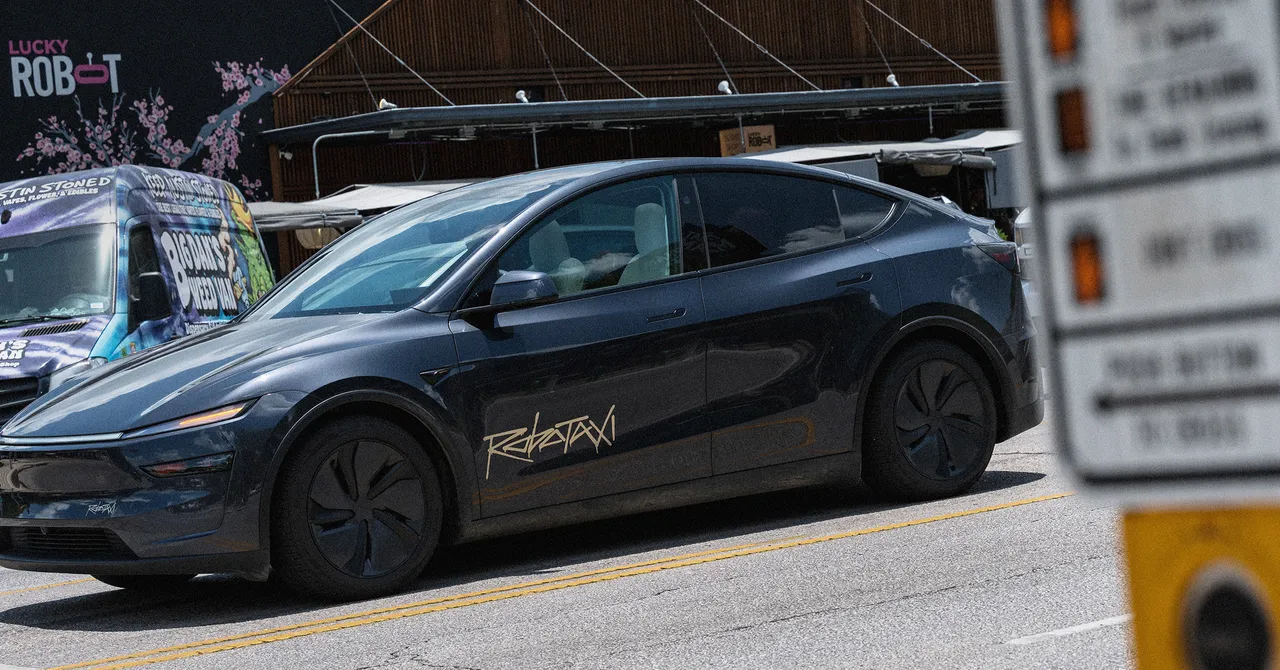
Are autonomous automobilesmerely large, remotely operated vehicles, guided by anonymous individuals in distant support centers from behind control panels? As these vehicles and their advanced software proliferate into more urban areas, this speculative notion has surged through online discussions and social media. It has been fueled, in part, by the unwillingness of driverless car manufacturers to elaborate on the precise role of the humans who assist their automated systems.
Yet, recently, through official filings provided by Waymo, an Alphabet affiliate, and Tesla, the electric vehicle producer, these firms have disclosed further information concerning the individuals and initiatives that assist the automobiles when their software systems become perplexed.
The specifics of these firms’ “remote support” initiatives are crucial, as the human operators aiding the automated systems are vital for guaranteeing the safe operation of vehicles on shared thoroughfares, sector specialists assert. Even automated taxis that usually function without incident encounter circumstances their autonomous systems deem puzzling. Consider, for instance, a power failure in San Francisco in December that rendered traffic signals inoperable throughout the metropolis, leaving bewildered Waymo vehicles stranded at multiple junctions. Alternatively, the continuing official investigations into multiple occasions where these cars unlawfully passed stationary school buses discharging pupils in Austin, Texas. (This latter incident prompted Waymo to implement a software retraction.) In such occurrences, human operators extricate the vehicles from predicaments by guiding or “counseling” them remotely.
These roles are significant because errors in their execution could determine, for example, whether a vehicle halts for or disregards a stoplight. “In the observable future, individuals will continue to influence vehicle conduct and, consequently, bear responsibility for safety,” states Philip Koopman, a scholar in autonomous vehicle software and safety at Carnegie Mellon University. Among the most challenging safety issues related to autonomous driving, he notes, is developing programs capable of discerning when to seek human intervention.
To put it another way: Should you be concerned with automated system security, focus on the human element.
Waymo’s Personnel
Waymo manages a paid autonomous taxi service across six urban centers—Atlanta, Austin, Los Angeles, Phoenix, and the San Francisco Bay Area—with intentions to debut in a minimum of 10 additional locations, notably London, within the current year. Currently, via a blog entry and correspondence sent to US senator Ed Markey this week, the firm disclosed further facets of its designated “remote support” (RA) initiative, which employs distant personnel to address prompts from Waymo’s vehicle software when the system identifies a need for aid. These individuals furnish data or counsel to the systems, states Ryan McNamara, Waymo’s vice president and worldwide operations director. The system retains the prerogative to utilize or decline the input offered by humans.
“Waymo’s RA personnel offer counsel and backing to the Waymo Driver but do not directly operate, guide, or pilot the automobile,” McNamara states—thereby implicitly refuting the assertion that Waymo vehicles are merely remotely manipulated automobiles. Approximately 70 support staff are actively working concurrently to oversee roughly 3,000 autonomous taxis, according to the company. This modest proportion suggests that the vehicles are undertaking the bulk of the demanding tasks.
Waymo additionally substantiated in its correspondence what a corporate leader conveyed to Congress during a recent hearing earlier this month: Fifty percent of these remote support personnel are external contractors situated abroad, specifically in the Philippines. (The firm notes it maintains two additional remote support centers in Arizona and Michigan.) These employees possess driving licenses valid in the Philippines, McNamara states, but receive instruction on US traffic regulations. All remote support staff undergo drug and alcohol screening upon employment, the corporation reports, and 45 percent are subjected to drug screening quarterly as part of Waymo’s unannounced testing protocol.
{content}
Source:{feed_title}