
Donald Trump’s victory
in the 2024 presidential race was framed by many as more than a political triumph; it was seen as the definitive cultural rebuke of “woke” ideology. As the MAGA faithful reveled in their perceived victory, the term “woke” itself had undergone a profound and often contentious evolution, far removed from its original meaning.
Key Takeaways
- The term “woke” has been fully weaponized, evolving from its origins in African-American vernacular as an awareness of systemic injustice to a right-wing pejorative signifying anything contrary to conservative norms.
- A hypothetical Trump 2024 victory emboldened reactionaries, who believed they were freed to offend without consequence, signaling the “death” of “wokeness.”
- Despite this, a counter-narrative of “Woke 2.0” is emerging in cultural products and political shifts; however, experts caution that its meaningful impact depends on real-world organizing beyond incidental cultural moments.
To truly grasp the implications of this cultural battleground, one must trace the fraught journey of “woke.” Born from African-American vernacular English in the context of civil rights movements, the term initially described a state of active engagement with crucial social issues. It gained broader traction during the Black Lives Matter protests of the 2010s, signifying an acute awareness of systemic injustice, particularly racialized police brutality, and was widely adopted by liberal groups.
However, this widespread adoption also paved the way for its eventual weaponization. Right-wing factions began to perceive anything “woke” as insidious propaganda undermining their constricted norms around race, gender, and sexuality. The word was stripped of its specificity, becoming a catch-all pejorative for anything they disliked. These “culture warriors,” perhaps unable to define the term precisely, knew intuitively that it could fuel cycles of exaggerated outrage, centering their reactionary politics and providing a convenient target for their grievances.
The “Death Knell” and the Freedom to Offend
In the aftermath of a second Trump victory, what did society look like under the supposed death knell of wokeness? For the winners, it was a moment of perceived liberation – a belief that they were now free to offend without fear of repercussion. As one Wall Street banker tellingly expressed to the Financial Times ahead of Trump’s second inauguration: “We can say ‘retard’ and ‘pussy’ without the fear of getting cancelled … it’s a new dawn.” This sentiment reflected a profound cultural shift, an emboldened stance where previously censured language or behavior was now viewed as a badge of honor, a defiant stand against a perceived “woke” orthodoxy.
Meanwhile, progressives hunkered down, bracing for another long and arduous four years under a regime they viewed as increasingly corrupt and authoritarian. The initial shock gave way to a somber resolve. Yet, even in the darkness of this political landscape, many couldn’t help but seek a glorious light at the end of the tunnel. They began to fantasize about a resurgent “Woke 2.0,” a phenomenon they believed was already subtly eroding Trumpism before their very eyes.
The Seeds of “Woke 2.0”: A Resurgent Spirit?
Evidence for this nascent “Woke 2.0” was cited in various forms: millions turning out for nationwide “No Kings” protests, and crucial polls indicating that key groups of Trump voters—including independents, young men, and the working class—were abandoning the president. This apparent drift sparked numerous think pieces and discussions. The video game and internet culture website Aftermath, for instance, dedicated an entire week to celebrating what it saw as the return of wokeness, highlighting cultural touchstones and political moments as harbingers of this new era.
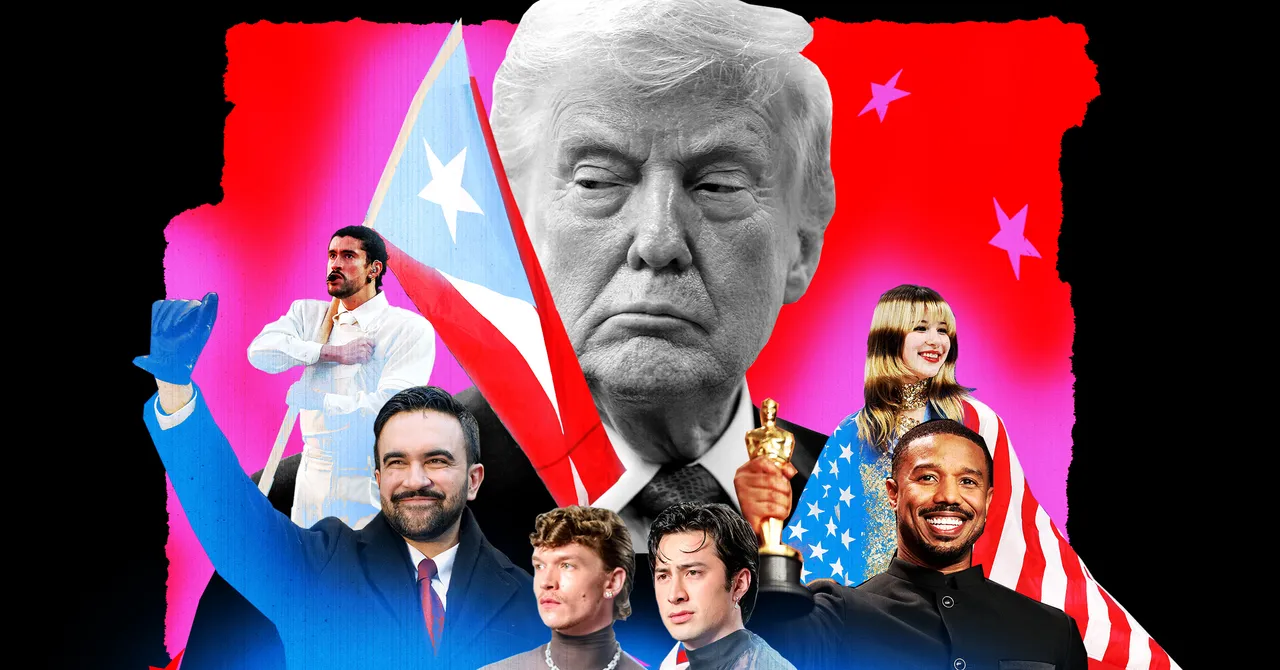
Liberal commentators and online communities embraced these artifacts as proof. They pointed to Bad Bunny’s all-Spanish Super Bowl halftime concert, which defied “MAGA tantrums” to set a viewership record, as a powerful statement of cultural defiance. The success of diverse television shows like the gay hockey romanceHeated RivalryandThe Pitt, a nerve-shredding medical drama that meticulously picks apart inequities in health care, were also held up as indicators. Critically acclaimed and commercially successful films such asSinnersandOne Battle After Another, both derided as “woke” by the right for their unflinching portrayal of America’s living legacy of racist violence, further fueled this narrative. During Oscar week, UCLA researchers even released a study demonstrating that movies with diverse casts consistently perform better with audiences, adding empirical weight to the argument for inclusive storytelling.
Beyond entertainment, figures like “alt” figure skater Alysa Liu became a source of “woke agenda” memes after winning gold at the Olympics, while Muslim socialist millennial Zohran Mamdani became mayor of New York, reportedly converting even the president himself into an infatuated fan. These disparate events, from pop culture moments to political victories, were stitched together to form a compelling, if perhaps optimistic, tapestry of a returning progressive consciousness.
The Skeptical Lens: Is it Real Change?
However, a crucial question looms over this perceived resurgence: can these scattered moments of cultural and political visibility truly add up to anything meaningful? Particularly given data showing that Trump’s unpopularity hasn’t necessarily converted into overwhelmingly positive attitudes toward the Democratic establishment, the path forward remains thorny. Edward Ongweso Jr., a writer and researcher with the policy initiative Security in Context and cohost of the podcastThis Machine Kills, offers a dose of necessary skepticism. Ongweso, who occasionally riffs on the nature of Woke 2.0 on X, cautions against mistaking incidental successes for intentional design.
“It is fun to pretend like when good things happen in this world incidentally, there’s a design,” Ongweso says, underscoring a vital distinction between cultural celebration and tangible, structural change. He emphasizes that true progress “has to go back to organizing workplaces and communities in real life.” This sentiment resonates deeply with those who believe that while cultural shifts are important, they are often insufficient without the bedrock of grassroots organizing, community building, and systemic political action. The challenge lies in translating fleeting moments of shared sentiment or outrage into sustained, impactful movements that can reshape power structures and address deeply entrenched inequities.
Bottom Line
The journey of “woke,” from its powerful origins as a call for awareness to its co-option and weaponization, and now to the hopeful vision of a “Woke 2.0,” reflects a profound societal struggle. While a hypothetical Trump victory might have been declared its death knell, the perceived emergence of a new cultural and political consciousness suggests that the underlying progressive ideals remain resilient. However, the true test of “Woke 2.0” will not be measured by viral moments or cultural triumphs alone. Its lasting impact hinges on the arduous, often unglamorous work of organizing communities, building power from the ground up, and transforming these cultural signals into concrete, systemic change. Without this foundational effort, the “new dawn” for reactionaries or the “glorious light” for progressives risks being little more than a fleeting mirage in the ongoing culture wars.
Source:{feed_title}