
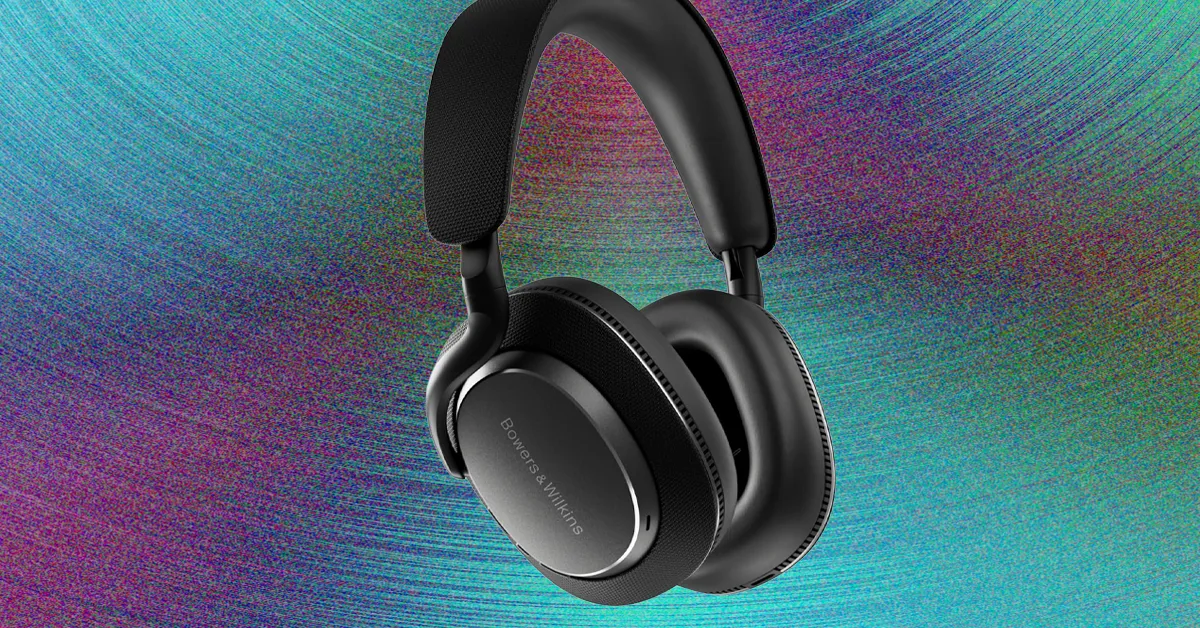
The initiation of instrumental parts is remarkably rapid, allowing instances such as a tremolo guitar or synthesizer signal to oscillate between stereo channels with the fluidity of a virtuoso’s vibrato. Instrumental tonalities emerge effortlessly, particularly evident within intricate soundscapes such as resonant percussion or gritty guitar sounds that ignite with added vibrancy.
Acoustically, the sonic profile exhibits a prominence in the higher registers, imparting a more ethereal quality to acoustic guitar and string instruments. This is an enjoyable modification that enhances its aesthetic appeal. The bass is full-bodied, defined, and accentuated, leading me to opt for a slight reduction in its equalization. At times, profound impacts retain a more forceful character than anticipated, yet the comprehensive profundity establishes a firm base for the fluid mid-range and playful upper registers.
When comparing tracks such as *Sgt Pepper*’s “Good Morning,” the S3 surpassed prominent contenders like the Sony XM6 and AirPods Max, more distinctly unveiling the vibrancy and textural depth in elements like the boisterous brass within the right channel. Conspicuous elements, such as articulated key sounds at the center-right or the whisper of cymbals in the lower left spectrum with enhanced subtlety, brought to light details I’d overlooked during numerous prior hearings. Furthermore, the S3’s total dynamic range is more potent than that of many models, meaning I seldom found it necessary to elevate the volume beyond the lowest quartile on my mobile device.
Irrespective of the genre I selected, the Px7 S3 consistently offered an enjoyable and elegant delivery, negating the requirement for artificial enhancements such as spatial audio (though this feature is available, should one desire it). Fleetwood Mac’s “Landslide” emerges rich and distinct, eliminating extraneous sound to achieve a clear delineation of the numerous guitar tracks and a vibrant tonal palette. St. Vincent’s more contemporary “Digital Witnesses” bursts forth with blistering synthesizers oscillating across channels and bass that delivers a formidable surge of low-end power.
Almost equally remarkable is the subtle operation of the noise canceling, working harmoniously with the audio performance to furnish an unadorned backdrop for the diverse auditory landscapes. Nonetheless, as leading rivals persist in enhancing their effectiveness, the Px7’s noise cancellation lags slightly behind the leading contenders.
It proves entirely adequate for most situations, creating a reasonable sphere of quiet across the frequency range; however, evaluations both within and outside my acoustically optimized studio indicated reduced effectiveness at the extremes of the sound range compared to premier models. Bose’s QC Ultra, Sony’s XM6, and even JBL’s surprisingly effective Tour One M3 all delivered superior attenuation with reduced ambient noise during my airplane drone test, whereas more acute noises, such as the sibilance from my espresso maker’s milk frother, penetrate the S3 with greater facility.
To reiterate, the Px7 S3 are not engineered to deliver absolute seclusion from ambient noise. They are suitable for daily requirements, but the primary objective here is unambiguous: superior audio quality and a more refined aesthetic. In this regard, the Px7 S3 prove as proficient and captivating as any other model in its category.
{content}
Source:{feed_title}