
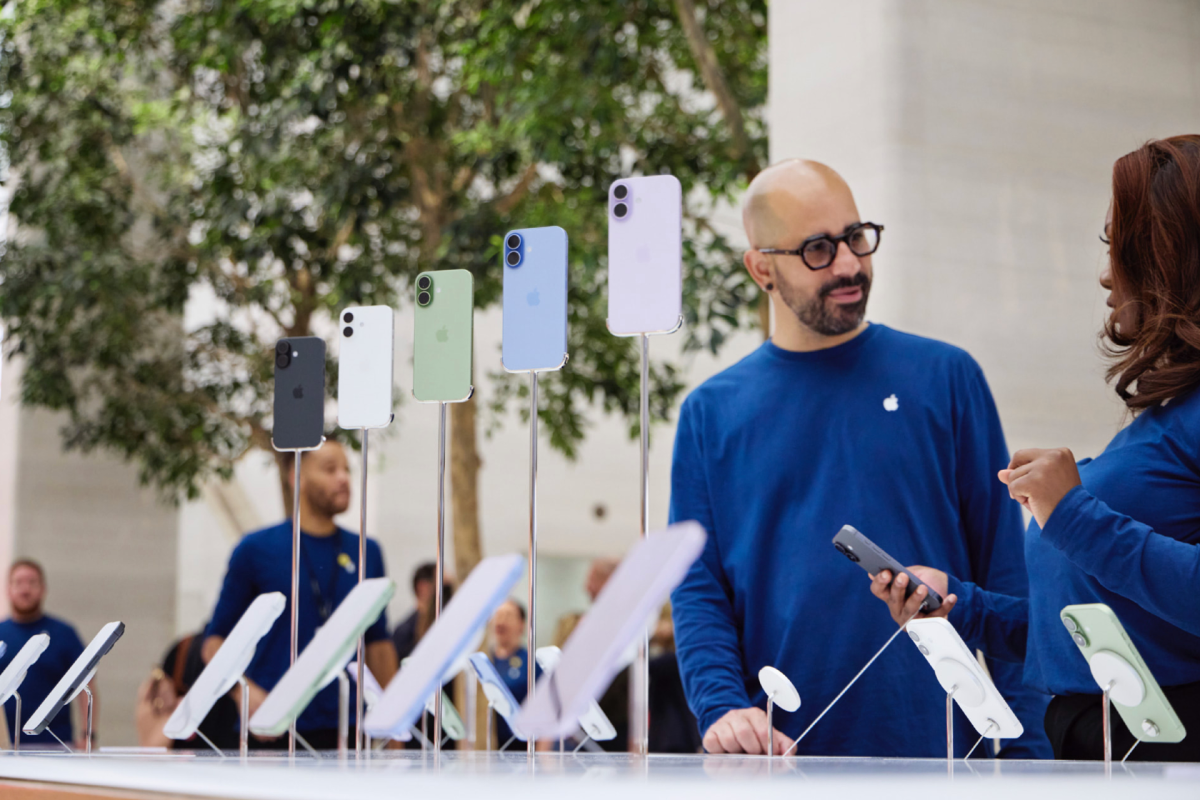
The smartphone industry’s next battleground may not be the phone itself, but how consumers get it. As premium devices become more expensive, Apple, Samsung, and others are betting that leasing, subscriptions, and guaranteed buyback programs can make upgrading more attractive.
This week, Apple launched Apple Upgrade in the U.S. in partnership with Klarna, allowing consumers to lease an iPhone, Mac, iPad, or Apple Watch for a monthly fee with the option to upgrade, return, or eventually purchase the device. Samsung, meanwhile, has been offering its Galaxy Forever program in India, combining financing with a guaranteed buyback to let consumers upgrade flagship Galaxy smartphones more predictably.
Key Takeaways
- **Shifting Ownership Models:** As smartphone prices climb and upgrade cycles lengthen, major players like Apple and Samsung are pivoting towards leasing, subscription, and guaranteed buyback programs to make premium devices more accessible and encourage regular upgrades.
- **Beyond Affordability – Ecosystem Lock-in:** While offering financial flexibility, these programs are primarily strategic moves by manufacturers to protect profit margins, ensure customer retention, and secure a steady supply of devices for the booming refurbished market, thereby locking users deeper into their ecosystems.
- **Coexistence, Not Replacement:** Despite the growing popularity of these new models and the emergence of specialized startups, outright ownership and traditional carrier financing are expected to coexist, particularly in markets like the U.S. where established financing structures are deeply entrenched.
The New Frontier: How You Buy Your Next Smartphone
The smartphone industry is undergoing a quiet revolution, not in hardware innovation, but in how consumers acquire their prized devices. With flagship phones commanding ever-higher prices, the traditional outright purchase is facing competition from a wave of new ownership models: leasing, subscriptions, and guaranteed buyback schemes. This shift marks a strategic pivot for tech giants like Apple and Samsung, who are keen to maintain sales momentum and customer loyalty in a challenging market.
This week, Apple officially rolled out its Apple Upgrade program in the U.S. Partnering with Klarna, the initiative allows customers to lease a range of Apple products – from iPhones and Macs to iPads and Apple Watches – for a monthly fee. The program provides flexibility, offering options to upgrade, return, or eventually purchase the device after a set period. Not to be outdone, Samsung has been fine-tuning its Galaxy Forever program in India, which blends financing with a guaranteed buyback offer, giving users a predictable path to upgrade their premium Galaxy smartphones.
Apple CEO Tim Cook, speaking during an earnings call, underscored the intent behind the Upgrade program: to simplify access to the company’s latest products, especially for those who prefer frequent upgrades. He also highlighted Apple’s strong resale values as a key factor making such leasing models viable.
Why the Change? Unpacking the Drivers
The push towards these alternative ownership models is not arbitrary; it’s a direct response to fundamental shifts in consumer behavior and market dynamics. Consumers are now holding onto their smartphones for longer periods, a trend fueled by a confluence of factors. Rising component costs have pushed device prices higher, while incremental hardware improvements mean older models remain perfectly capable for extended use.
Analyst firm Counterpoint Research projects the average global smartphone replacement cycle to stretch to four years by 2026, a notable increase from 3.5 years in 2025. This trend is particularly pronounced in mature markets like the United States, where premium smartphone owners now keep their devices for an average of 42 months, up from 38 to 40 months previously, according to market intelligence firm IDC. This extended retention period directly impacts manufacturers’ opportunities to sell new devices and reduces the flow of handsets into the burgeoning refurbished market.
“These programs fundamentally do not work unless a secondary market exists,” explained Max Weinbach, an analyst at Creative Strategies. “The only way to sustain a used or refurbished market is to make sure devices enter that market, and leasing and guaranteed buyback programs make that possible.” These models effectively guarantee a steady influx of used devices back to the manufacturers or their partners, fueling a lucrative secondary market.
Lease vs. Own: The Financial Equation
While the strategic benefits for manufacturers are clear, the industry’s challenge lies in convincing consumers that these new ownership models are financially superior to buying outright.
“Leasing definitely isn’t for everyone, but it can make sense, especially for someone who upgrades often,” Matt Schulz, chief consumer finance analyst at online lending marketplace LendingTree, told TechCrunch. For those who keep their phones for three, four, or five years, buying outright often remains the more economical choice.
However, for consumers who upgrade every year or two, the economics can be surprisingly competitive. “It’s important to stress the fact this is an upgrade program that’s done via a lease, rather than just a leasing program,” Weinbach clarified. “The intent is that the user will turn in their device every 12 to 36 months because they intend to upgrade regardless.” His analysis of Apple’s new program suggests that frequent upgraders could pay roughly the same, or even less, than they would by purchasing a device outright and trading it in later, particularly for higher-storage models whose trade-in values don’t always fully reflect their initial premium.
Beyond Affordability: The Ecosystem and Retention Play
The allure of these programs extends beyond simply making premium smartphones more affordable. For smartphone makers, they represent a powerful tool to reinforce customer loyalty and keep users embedded within their ecosystems, especially as devices grow more expensive and replacement cycles lengthen.
“The real driver isn’t shorter upgrade cycles; it’s protecting margin and retention as pricing pressure mounts,” Navkendar Singh, IDC’s associate vice president of devices research, told TechCrunch. Instead of solely chasing more frequent phone replacements, brands are strategically transforming costly smartphone purchases into predictable monthly payments, a move designed to deepen customer engagement and reduce churn.
This idea of monthly payments for a smartphone isn’t entirely new, particularly in the U.S., where wireless carriers have long bundled financing and upgrade plans with service contracts. What is changing, however, is the manufacturers’ increasing desire to own that customer relationship directly, bypassing or complementing the carriers. Carrier financing has historically been crucial in making premium smartphones accessible in the U.S., with “interest-free financing of 36 months and aggressive trade-ins of up to $1,100” contributing to the region’s highest smartphone average selling prices, noted Nabila Popal, senior research director at IDC. This carrier-led model has significantly contributed to Apple and Samsung’s combined market share exceeding 80% in the U.S.
New Opportunities and The Road Ahead
The shift toward subscriptions and alternative ownership models is also fostering a fertile ground for innovative startups. Companies like BytePe in India are thriving by offering subscription-style plans for smartphones and other consumer electronics. BytePe’s founder and CEO, Jayant Jha, highlighted that over 80% of their customers—typically young professionals seeking access to premium devices without hefty upfront costs—opt for subscriptions over outright purchases or traditional EMI plans. This trend isn’t confined to specific regions; the UK’s Raylo and Germany’s Grover have built successful businesses around leasing consumer electronics through similar monthly subscription plans.
Analysts anticipate this trend will only grow. “The primary objective is to increase customer lifetime value by improving retention, creating predictable upgrade cycles and securing a steady pipeline of trade-in devices for certified refurbishment and resale,” stated Tarun Pathak, research director at Counterpoint Research. Pathak expects these initiatives to become more common within the premium smartphone segment, although he believes traditional financing will remain a crucial tool for broad affordability.
Despite the momentum, outright ownership is unlikely to vanish. Mandeep Manocha, co-founder and CEO of Indian smartphone trade-in and refurbishment platform Cashify, foresees a future where leasing, subscriptions, and outright purchases coexist. “All three business models have a place to exist, and they will continue to do so,” Manocha told TechCrunch, acknowledging that a “natural transition” from complete ownership to leasing might occur, but it will be “a long journey.”
This sentiment resonates particularly in the U.S., where carrier financing has long anchored premium smartphone purchases. IDC’s Popal even suggests that Apple’s new Upgrade program might have a more significant impact on Mac sales than iPhones, potentially expanding financing options rather than fundamentally altering how Americans buy their next smartphone.
The Bottom Line
The smartphone industry is clearly in a transformative phase, moving beyond purely hardware-driven cycles to innovate how consumers acquire and experience their devices. Leasing, subscription, and guaranteed buyback programs are not just about making premium tech more accessible; they are strategic maneuvers by manufacturers to secure recurring revenue, deepen ecosystem engagement, and streamline the flow of devices into a robust secondary market. While outright ownership and carrier financing will persist, these new models represent a significant evolution in the consumer-tech relationship, promising a future where predictable monthly payments and seamless upgrades become an increasingly central part of the smartphone experience.
When you purchase through links in our articles, we may earn a small commission. This doesn’t affect our editorial independence.
{content}
Source:{feed_title}