
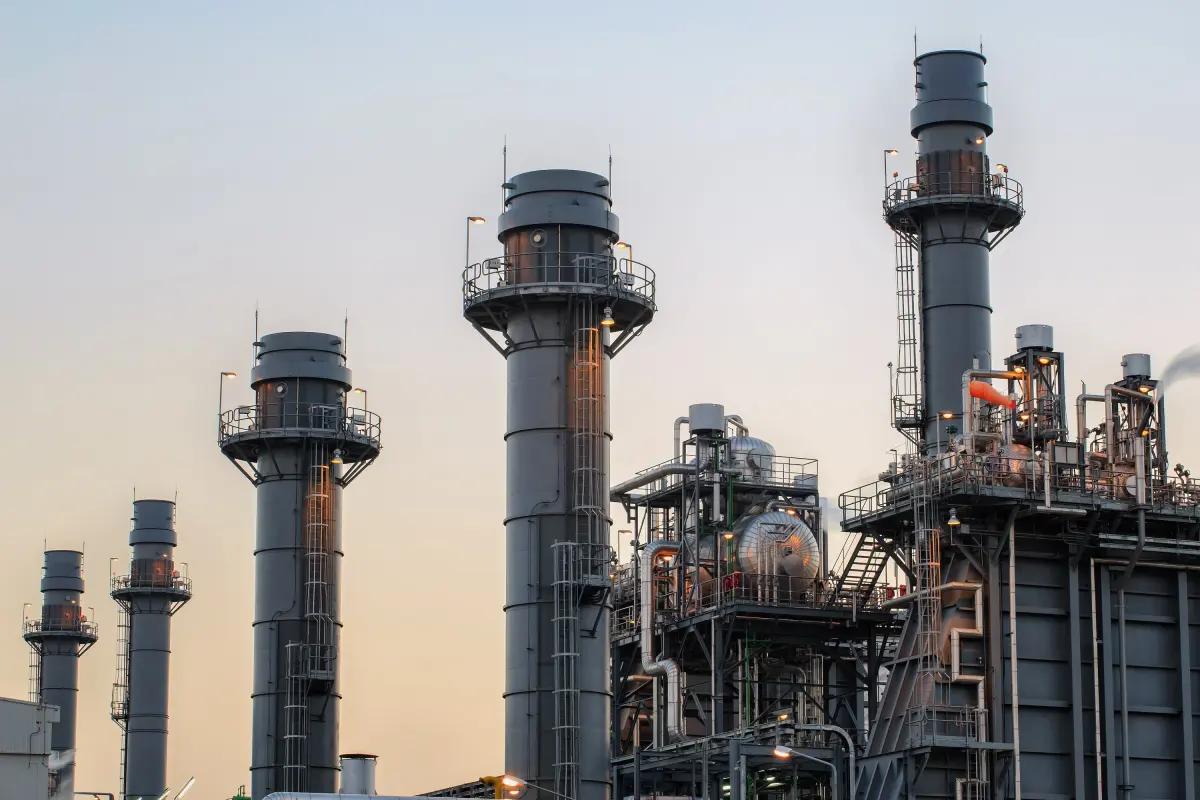
As part of a planned data center in Pecos County, Texas, Amazon is investing in an on-site power plant that could become the largest source of climate pollution in the United States, according to The New York Times.
The NYT says the plant would burn natural gas and is permitted to release 33 million tons of carbon dioxide per year — more than any other power plant in the U.S.
In a statement, an Amazon spokesperson confirmed that the data center will “be powered by new on-site generation that won’t raise electricity costs for Texas families.” (Data centers face growing political opposition for a number of reasons, including their effect on electricity costs.)
AI has already had a significant impact on Amazon’s carbon emissions, which it reported were up 16% last year — the wrong direction for a company that pledged to eliminate its carbon emissions by 2040. And that could get worse as Amazon and tech companies back the development of huge natural gas plants to support their power-hungry data centers.
The Amazon spokesperson said, “The world looks different now than when we co-founded the climate pledge,” while also claiming, “Our commitment hasn’t changed.”
***
Key Takeaways
- Massive Emissions Potential:Amazon’s planned natural gas power plant in Pecos County, Texas, could become the single largest source of climate pollution in the U.S., emitting an estimated 33 million tons of CO2 annually.
- Climate Pledge Under Pressure:This development clashes sharply with Amazon’s ambitious 2040 net-zero climate pledge, especially after its carbon emissions surged 16% last year, largely due to the escalating energy demands of AI.
- AI’s Energy Dilemma:The move highlights a growing industry-wide challenge: the immense and rapidly expanding energy appetite of AI, forcing tech giants to make difficult choices about power sourcing that often prioritize reliability and cost over immediate environmental impact.
Amazon’s Pecos Gambit: A Clash Between AI Ambition and Climate Commitment
The relentless march of artificial intelligence, while promising transformative advancements, is revealing a stark and uncomfortable truth about its environmental footprint. At the forefront of this emerging dilemma is Amazon, a company that has publicly positioned itself as a leader in corporate sustainability through its “Climate Pledge.” Yet, a recent report by The New York Times has cast a long shadow over these aspirations, detailing Amazon’s investment in an on-site natural gas power plant in Pecos County, Texas, intended to fuel a new data center. This project, if realized, is not just significant; it could reset benchmarks for industrial climate impact, potentially becoming the largest single source of climate pollution in the United States.
The Pecos Project: A Powerhouse of Pollution?
According to The New York Times, the proposed plant is permitted to release an astonishing 33 million tons of carbon dioxide per year. To put that into perspective, this figure surpasses the emissions of any other power plant currently operating in the U.S. Such a colossal output of greenhouse gases from a single facility underscores the sheer scale of energy required to power modern data centers, particularly those optimized for advanced AI computations. These facilities aren’t just processing information; they’re housing thousands of high-performance servers that demand immense power for processing and equally significant power for cooling, making them veritable energy sponges.
Amazon has confirmed the plan for on-site generation, with a spokesperson stating that the data center will “be powered by new on-site generation that won’t raise electricity costs for Texas families.” This assurance touches on a sensitive point, as data centers have faced increasing political opposition for various reasons, including their potential to strain local grids and drive up energy prices for residential consumers. While an on-site plant might alleviate immediate pressure on the public grid, its environmental implications raise far more profound concerns.
The AI Factor and Amazon’s Shifting Stance
The connection between AI and increasing energy consumption is not theoretical; it’s already a quantifiable reality for Amazon. The company reported a 16% surge in its carbon emissions last year alone. This move in the “wrong direction” comes from a company that co-founded the Climate Pledge, committing to achieve net-zero carbon emissions by 2040 – a decade ahead of the Paris Agreement’s target. The spokesperson’s statement that “The world looks different now than when we co-founded the climate pledge,” while simultaneously asserting, “Our commitment hasn’t changed,” reveals a significant internal tension. It suggests a pragmatic acknowledgement of the energy realities of hyper-scaling AI, potentially at odds with the idealism of their earlier climate commitments.
The exponential growth of AI models, from training vast neural networks to powering inference at scale, demands an unprecedented amount of computational horsepower. This, in turn, requires an equally unprecedented supply of electricity. For tech giants like Amazon, ensuring a stable, affordable, and massive power supply is paramount to maintaining their competitive edge in the AI race. When renewable energy sources aren’t immediately available at the required scale or reliability, natural gas – despite its carbon footprint – often emerges as a default solution due to its relative abundance and dispatchability.
Beyond Pecos: The Broader Industry Challenge
Amazon is not an anomaly in its quest for energy. Across the tech industry, companies like Microsoft, Google, and Meta are grappling with similar challenges as they build out their AI infrastructures. The global demand for data center capacity is projected to skyrocket, with energy consumption following suit. The reliance on fossil fuels, even as a stopgap, threatens to derail global climate goals and underscores the significant chasm between technological ambition and environmental responsibility.
The decision to build private power plants is often driven by the inability of existing power grids to reliably supply the immense and specific power demands of a hyperscale data center. Renewable energy projects, while growing, often face challenges of intermittency (solar only works when the sun shines, wind when the wind blows) and the sheer logistical hurdles of scaling up fast enough to meet tech’s insatiable appetite. This forces companies into a difficult position: innovate rapidly with AI, or adhere strictly to renewable-only energy sourcing. For many, the former seems to be winning the immediate battle.
The Environmental and Ethical Crossroads
The environmental implications of a facility like the Pecos County plant are profound. Burning natural gas releases significant amounts of carbon dioxide, a primary driver of climate change. Beyond CO2, the extraction and transport of natural gas are associated with methane leaks, a greenhouse gas far more potent than CO2 in the short term. For a company that has championed sustainability, such a move invites accusations of greenwashing or, at the very least, a significant recalibration of its climate priorities.
This project also raises ethical questions about corporate responsibility. If the world’s largest companies, with vast resources, are resorting to fossil fuels to power their next wave of innovation, what message does that send about the feasibility of a truly sustainable technological future? It forces a critical examination of whether the benefits of AI outweigh its immediate environmental costs, and what strategies can be employed to mitigate these impacts without stifling innovation. Investing in long-duration energy storage, advanced grid technologies, and significantly accelerating renewable energy projects are critical, but expensive and time-consuming endeavors that don’t always align with the rapid deployment timelines of AI infrastructure.
The Bottom Line
Amazon’s Pecos County power plant proposal represents a critical inflection point where the insatiable energy demands of next-generation AI collide head-on with corporate climate commitments. While potentially ensuring reliable and cost-effective power for its data centers, the project’s staggering projected emissions highlight the urgent need for scalable, sustainable energy solutions that can keep pace with technological advancement, lest AI’s transformative potential be overshadowed by its devastating environmental footprint.
Source:{feed_title}