
Prosper Trading Academy CEO Scott Bauer discusses retail investors’ appetite for upside and downside protection in the market on ‘The Claman Countdown.’
Key Takeaways
- **Inflationary Squeeze on Discretionary Spending:** The Cato Corporation’s decision to significantly expand store closures underscores the severe pressure on price-conscious consumers’ disposable income, as persistent inflation forces them to prioritize essential goods over apparel, directly impacting budget-focused retailers.
- **Strategic Realignment in a Challenging Retail Environment:** The increased number of closures, from 50 to 120, signals a more aggressive strategic pivot by Cato to shed underperforming physical assets. This move reflects a broader trend in retail where optimizing store footprints and enhancing profitability trumps sheer store count, particularly as e-commerce continues to gain traction and competition intensifies.
- **Lagging Performance Amidst Sector Headwinds:** Cato’s sharp decline in Q2 net income (from $6.8 million to $1.1 million year-over-year) highlights the operational difficulties faced by some traditional brick-and-mortar retailers serving value segments. While competitors like TJ Maxx and Ross have shown resilience, Cato’s struggles point to potential issues with inventory management, brand appeal, or agility in adapting to evolving consumer behaviors.
A women’s apparel company, catering primarily to price-conscious consumers, has significantly escalated its plans for retail store closures, announcing that 120 locations will cease operations by the end of the current fiscal year. This move, more than doubling the initially projected 50 closures, sends a stark signal about the deepening economic headwinds impacting the retail sector, particularly those serving budget-wary demographics.
The Cato Corporation, parent company of the eponymous Cato Fashions, operates a network of over 1,000 women’s apparel and accessories stores across 31 states. The slated closures represent more than 10% of its total store count, a substantial recalibration of its physical footprint, as first reported by Fast Company. Founded in 1946, Cato has long positioned itself as a destination for consumers seeking value, a market segment often compared to the customer bases of off-price giants like TJ Maxx or Ross Dress for Less.
WALMART SAYS IT WILL USE BILLIONS IN TARIFF REFUNDS TO KEEP PRICES LOW
Cato Fashions, an American retailer of women’s fashions and accessories, will close 120 locations by the end of the fiscal year, the company has announced. (Getty Images / Getty Images)
Beyond its core Cato Fashions brand, The Cato Corporation diversifies its retail portfolio with Versona, an upscale apparel, jewelry, and accessories brand boasting 90 locations across the U.S., and its It’s Fashion and It’s Fashion Metro brands, which collectively operate 119 stores. The expanded closure announcement, originating from the Charlotte, North Carolina-based corporation last week, underscores a proactive, albeit painful, strategy to streamline operations amidst a challenging economic climate.
The decision to shutter an additional 70 stores beyond the initial plan highlights the accelerating pressure on the retail landscape. John Cato, the company’s chairman, president, and CEO, articulated the rationale, stating, “Annually, we review approximately one-third of our stores to exercise available lease options or negotiate an extension based on each store’s performance, including store sales trends and current and projected store profitability.”
HOW SHOULD BUSINESSES APPROACH TARIFF REFUNDS?
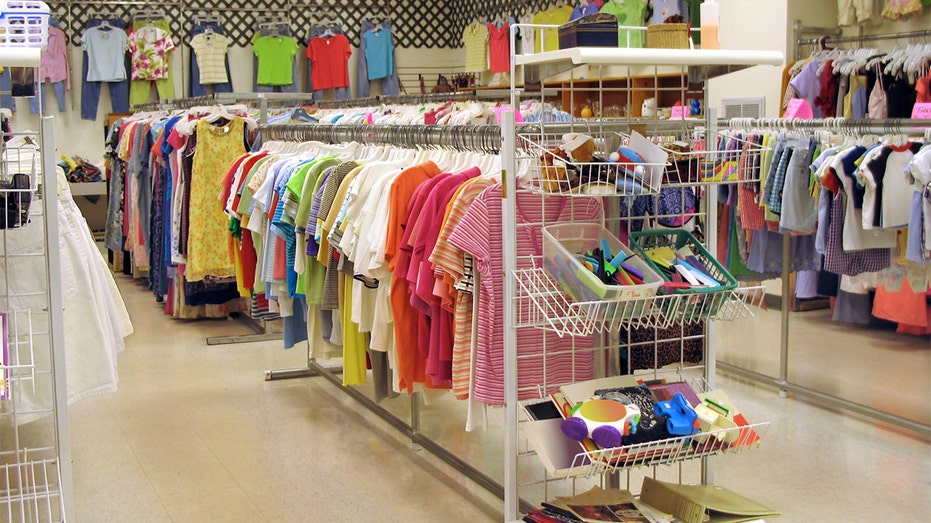
Bright-colored tops hanging on a rack.(iStock / iStock)
His further comments directly tied the strategic shift to macroeconomic conditions: “In light of the current economic environment, especially with the negative pressure on our customers’ discretionary income, we do not expect these marginal stores to improve appreciably. As a result, we are closing more stores than expected this year. We believe that closing these additional stores will have a positive impact on our operating results in fiscal 2027 and beyond.” This candid assessment points to a protracted period of consumer restraint, signaling a lack of confidence in a rapid turnaround for segments of the retail market.
The “negative pressure” on discretionary income is a critical market context. Persistent inflation, while showing signs of moderating in some sectors, continues to erode the purchasing power of consumers, particularly those in lower-to-middle income brackets. Rising costs for necessities like food, housing, and transportation mean less money available for non-essential purchases, such as apparel. Furthermore, elevated interest rates, a tool used by central banks to combat inflation, contribute to higher borrowing costs for consumers, further tightening household budgets and dampening overall spending sentiment. For retailers like Cato, whose business model is predicated on affordability, these economic realities translate directly into reduced foot traffic and lower sales volumes at the point of sale.
This challenging environment is reflected in Cato’s recent financial performance. In August, the company reported a net income of a mere $1.1 million for the second quarter, a precipitous drop from the $6.8 million recorded during the same period a year earlier. This nearly 84% year-over-year decline underscores the severity of the operational challenges, indicating not only softer sales but potentially also squeezed margins due to promotional activity, rising input costs, or increased operating expenses that could not be offset by revenue. While the closure of underperforming stores is an attempt to stem these losses and improve future profitability, the immediate financial pain highlights the difficulty many traditional retailers face in adapting to rapid market shifts.
The broader retail landscape presents additional complexities. The relentless ascent of e-commerce continues to draw consumers away from brick-and-mortar stores, even in the value segment. Online pure-plays and digitally savvy competitors often offer greater convenience, wider selections, and competitive pricing, forcing traditional retailers to invest heavily in their digital presence or risk obsolescence. Moreover, the “retail apocalypse” narrative, while often exaggerated, reflects a genuine need for physical stores to offer compelling experiences or hyper-localized convenience to justify their existence. For a company like Cato, which caters to a demographic sensitive to both price and accessibility, maintaining a vast, potentially inefficient store network becomes a significant drag on financial performance if those stores aren’t converting sales effectively.
Laffer Tengler Investments CEO Nancy Tengler discusses Oracle’s revenue and earnings, the AI arms race and more on ‘The Claman Countdown.’
GET FOX BUSINESS ON THE GO BY CLICKING HERE
Market Impact
The Cato Corporation’s intensified store closure strategy carries significant implications for the broader retail market, particularly for companies operating in the value apparel segment and the commercial real estate sector. For retailers, it signals that even budget-focused models are not immune to the severe squeeze on consumer discretionary spending, prompting others to re-evaluate their own store portfolios and cost structures. Investors may view such aggressive right-sizing as a necessary, albeit painful, step toward long-term profitability, but it also highlights the systemic challenges faced by traditional brick-and-mortar players. In commercial real estate, the closure of 120 stores will add substantial vacancies to shopping centers, potentially increasing pressure on landlords to find new tenants, offer concessions, or face declining property values, especially in secondary markets where Cato often operates. This could further impact local employment and consumer foot traffic in affected areas, creating ripple effects across the retail ecosystem.