
Key Takeaways:
- Full Dallas Access:Waymo has removed the waitlist for its autonomous robotaxi service in Dallas, making it immediately available to all residents and visitors via its app. This move significantly accelerates the company’s deployment timeline in the region.
- Rapid Scaling Strategy:This open access aligns with Waymo’s aggressive “robotaxi playbook,” mirroring successful rollouts in Phoenix, Los Angeles, and San Francisco, as it targets broad expansion across the US, UK, and Europe.
- Weather Resilience Critical:Despite initial service pauses due to heavy rain and flooding, Waymo has resumed operations, underscoring the ongoing challenge for autonomous vehicles to master diverse environmental conditions and the company’s commitment to continuous adaptation.
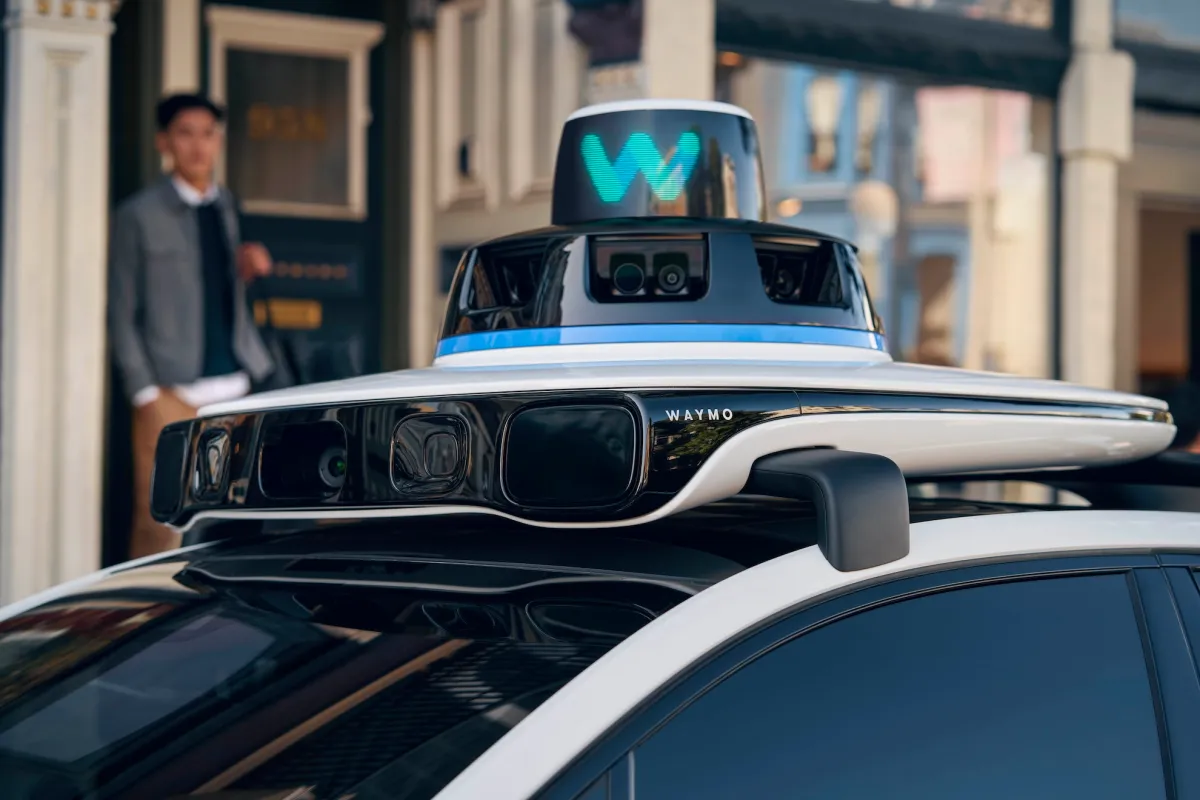
The future of urban mobility just took another significant leap forward in Texas. Waymo, the autonomous driving technology subsidiary of Alphabet, has officially opened its robotaxi service to everyone in Dallas, eliminating the previous waitlist and inviting all residents and visitors to experience its self-driving vehicles firsthand. This pivotal announcement marks a substantial acceleration in Waymo’s strategy to scale its advanced autonomous technology across key markets, extending its footprint beyond established services in Phoenix, Los Angeles, and San Francisco.
As of Tuesday, the barrier to entry for Waymo’s cutting-edge service in Dallas has been entirely removed. Prospective riders can now simply download the Waymo One app, sign up, and immediately hail an autonomous ride within the designated service area. This immediate accessibility contrasts with the phased rollouts often seen with new technologies, underscoring Waymo’s confidence in its operational readiness and the burgeoning demand for driverless transportation in a major metropolitan hub like Dallas.
Dallas: A Strategic Hub for Autonomous Expansion
Waymo’s decision to plant roots in Dallas last year was a clear indicator of its ambitious expansion plans. Initially, the company began testing its self-driving technology on public streets, with an eye toward a full public launch. The original timeline suggested a 2026 service debut, making the current full-scale public availability a significant acceleration of that schedule. This rapid deployment reflects both Waymo’s technical advancements and a calculated move to capture market share in a large, sprawling city that presents unique challenges and opportunities for autonomous vehicles.
Dallas, with its extensive road network, diverse traffic patterns, and rapidly growing population, serves as an ideal testbed and proving ground for Waymo’s system. The city’s embrace of innovation, combined with a generally favorable regulatory environment in Texas for autonomous vehicles, creates fertile ground for such services. Waymo’s long-term vision encompasses not only major U.S. cities but also aims for broader international expansion into Europe and the United Kingdom, positioning these early market penetrations as critical steps in validating its global scalability.
From Waitlist to Wide Open: The Robotaxi Playbook
The removal of the waitlist in Dallas follows a well-established “robotaxi playbook” that Waymo has successfully implemented in its other operational markets. In Phoenix, where Waymo has operated for several years, and more recently in Los Angeles and San Francisco, the company typically begins with a limited, often waitlist-based, access program. This allows Waymo to fine-tune its service, gather critical user feedback, and gradually expand its operational design domain (ODD) – the specific conditions under which its autonomous system is designed to function safely.
During the waitlist period in Dallas, Waymo reported approximately 150,000 riders utilized its app, providing a substantial dataset for refining the service. This initial phase is crucial for building public trust and familiarity with autonomous technology. By transitioning to open access, Waymo signals its confidence in the system’s maturity and its readiness to handle a significantly larger volume of rides and a wider range of scenarios, further embedding self-driving cars into the urban fabric.
Operational Details and Lingering Limitations
The fleet serving Dallas comprises all-electric autonomous Jaguar I-Pace vehicles, reflecting Waymo’s commitment to sustainable urban transportation. These vehicles are maintained and managed in partnership with Avis Budget Group, a strategic collaboration that underscores the complex logistics involved in running a large-scale autonomous fleet. Avis handles critical depot operations, including charging, cleaning, and routine maintenance, allowing Waymo to focus its resources on developing and deploying its advanced self-driving software and hardware.
While the service is now widely available, some limitations persist. Notably, riders are currently unable to hail a ride to Dallas Love Field Airport. Waymo stated that it continues to conduct extensive testing of its self-driving vehicles at the airport and anticipates serving riders there “soon.” This phased approach to integrating complex environments like airports, with their unique traffic flows, pedestrian activity, and regulatory requirements, is a prudent strategy to ensure safety and reliability before full deployment, ensuring that every expansion is met with robust performance.
Navigating Challenges: The Weather Factor
Waymo’s journey into Dallas has not been without its challenges. In May, the company temporarily paused its service across multiple Texas cities, including Dallas, Houston, and San Antonio, as well as Atlanta, due to difficulties its robotaxis encountered with heavy rain and flooded roads. This incident highlighted a critical hurdle for autonomous vehicle deployment: the ability to reliably and safely navigate extreme weather conditions, which can significantly impair sensor performance, obscure lane markings, and drastically alter road predictability.
Such pauses, while inconvenient for early adopters, demonstrate Waymo’s commitment to safety as its paramount priority. The company’s transparency in acknowledging and addressing these issues is vital for maintaining public trust in nascent technologies. While robotaxi services have since resumed in these affected cities, Waymo has confirmed that it may adjust or temporarily pause operations in the future based on severe weather forecasts, flood warnings, or real-time hazardous conditions. Riders are advised to check the status of service via the Waymo app, ensuring they have the most up-to-date information on operational availability. This adaptive approach is crucial as autonomous technology continues to evolve and learn to master the complexities of real-world driving across diverse environmental spectra, gradually building the resilience needed for widespread, reliable service.
When you purchase through links in our articles, we may earn a small commission. This doesn’t affect our editorial independence.
{content}
Bottom Line:Waymo’s decision to drop the waitlist for its Dallas robotaxi service marks a significant milestone in the broader commercialization of autonomous vehicle technology. By accelerating its rollout in a major U.S. city and demonstrating adaptability to operational challenges like adverse weather, Waymo reinforces its position as a frontrunner in the race for self-driving dominance. This move not only expands access to innovative transportation but also paves the way for a future where autonomous services are an increasingly integrated and reliable part of urban infrastructure, offering a glimpse into a potentially more efficient, safer, and sustainable model of mobility for millions.
Source:{feed_title}