
**Key Takeaways:**
- AI coding startup Cursor has been officially acquired by Elon Musk’s SpaceX, integrating advanced developer tools into the aerospace giant.
- The acquisition grants Cursor unparalleled access to SpaceX’s vast GPU infrastructure, described as the “largest fleet of GPUs in the world,” signaling a major boost for AI development.
- This strategic move further solidifies Elon Musk’s growing AI ecosystem, positioning Cursor to transform software engineering within his ambitious ventures.
SpaceX Acquires AI Coding Startup Cursor, Igniting New Era for Intelligent Software Development
In a move that sends significant ripples across the tech landscape, AI coding startup Cursor has officially become part of Elon Musk’s aerospace giant, SpaceX. The integration, initially hinted at in April, now culminates in a finalized deal, positioning Cursor at the heart of one of the world’s most ambitious computational endeavors. This acquisition is more than just a corporate transaction; it’s a strategic consolidation of AI talent and infrastructure under the singular, expansive vision of Elon Musk, promising to redefine the future of intelligent software development within his rapidly growing technological empire.
The journey to this integration began in April when SpaceX and Cursor announced a collaborative development agreement. Crucially, that deal included an option for SpaceX to acquire Cursor for an eye-watering $60 billion. While the specifics of the final transaction value haven’t been publicly disclosed in the recent announcement, the closure confirms the strategic intent that has been brewing for months. The timing is particularly noteworthy, following closely on the heels of SpaceX becoming a public entity – a milestone that likely provided the necessary financial and structural clarity to proceed with such a significant acquisition. This move also echoes a pattern seen earlier this year when SpaceX absorbed another Musk venture, xAI, further consolidating the eccentric billionaire’s diverse interests into a potent technological conglomerate.
Why Cursor? Fueling SpaceX’s Engineering Ambitions
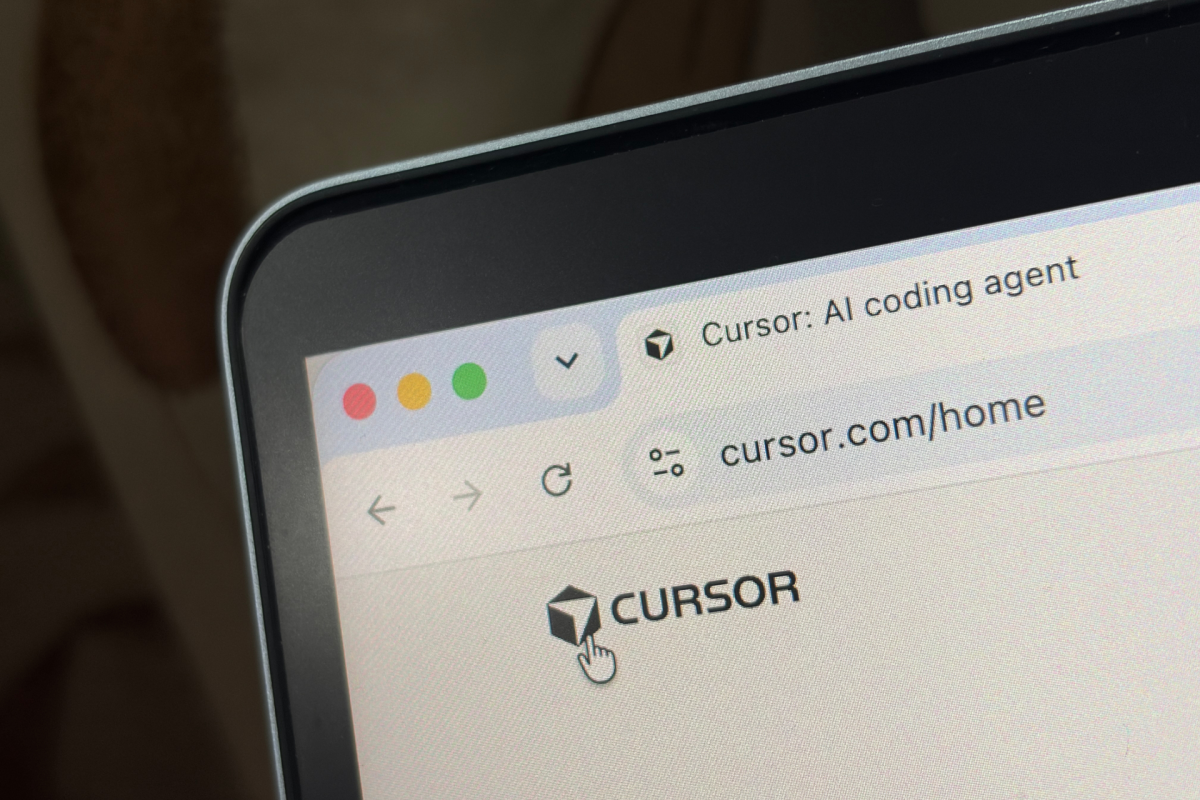
At its core, Cursor is an AI coding assistant designed to revolutionize how developers write, debug, and understand code. It offers features like AI-powered code generation, intelligent error detection, and natural language interaction with codebases, aiming to significantly boost developer productivity and innovation. For SpaceX, bringing Cursor into its fold is not merely about acquiring a tool; it’s about internalizing a critical capability that can accelerate its incredibly complex engineering challenges. As Cursor itself stated in its blog post announcing the deal closure, the ambition is that it will be ‘one place where that intelligence becomes useful.’
This suggests a direct and immediate application of advanced AI to optimizing critical systems—from refining rocket launch sequences and satellite deployment algorithms to enhancing the software that controls Starship and Starlink operations. The sheer volume and complexity of code required for SpaceX’s multifaceted projects, which span aerospace, telecommunications, and even human spaceflight, make an intelligent coding partner an invaluable asset. Cursor’s technology has the potential to dramatically accelerate development cycles, minimize human error, and enhance the overall reliability and efficiency of SpaceX’s vast software infrastructure, providing a competitive edge in a demanding industry.
Why SpaceX? Unprecedented Computational Firepower
The allure for Cursor, conversely, is arguably even more profound. The startup now gains ‘access to the largest fleet of GPUs in the world,’ a declaration made emphatically in its announcement. This is not hyperbole. SpaceX has been aggressively building out its computing infrastructure, not just for its internal needs but also as a service, renting out its formidable GPU clusters to other AI powerhouses like Anthropic and Google. This unparalleled access to computational horsepower can unlock development possibilities previously unimaginable for a startup.
For Cursor’s engineers and AI researchers, this means their AI models can be trained on larger, more diverse datasets, iterated upon at a blistering pace, and scaled to capabilities far beyond what its previous resources would have allowed. The sheer scale of SpaceX’s infrastructure provides a fertile ground for pushing the boundaries of AI-powered code generation, understanding, and optimization. This robust infrastructure, however, is not without its controversies. SpaceX has also faced scrutiny and a lawsuit concerning the environmental impact and pollution generated by its data center gas turbines, a potent reminder of the immense, energy-intensive nature of large-scale AI computation and the infrastructure required to support it.
Elon Musk’s Expanding AI Empire
This acquisition further solidifies Elon Musk’s rapidly expanding AI empire, which now encompasses a diverse range of applications and research initiatives. With Tesla pushing the boundaries of autonomous driving and humanoid robotics (with Optimus), xAI focused on achieving Artificial General Intelligence (AGI) to ‘understand the true nature of the universe,’ and now Cursor integrated into SpaceX, Musk is assembling a comprehensive and vertically integrated technological ecosystem. Each piece serves a distinct, yet interconnected, purpose within this grand vision.
xAI provides the foundational research and theoretical framework for advanced AI, Tesla applies AI to physical interaction and real-world autonomy, and Cursor, now under the umbrella of SpaceX, will likely transform how complex software is engineered at an unprecedented scale. This holistic approach suggests a future where AI isn’t just a feature but the fundamental operating system for all of Musk’s ventures, driving innovation across space exploration, sustainable energy, and advanced computing. The synergy between these entities could lead to breakthroughs that accelerate progress across all sectors.
Implications for Developers and the AI Industry
For the broader developer community and the competitive AI coding assistant market, this move is profoundly significant. Cursor, previously a standalone innovator, now operates with the backing and resources of one of the world’s most ambitious and capital-rich companies. This could lead to a rapid acceleration of its features and capabilities, potentially setting new benchmarks for AI-powered developer tools that other startups and tech giants will struggle to match without comparable infrastructure. Competitors like GitHub Copilot, Amazon CodeWhisperer, Google Gemini Code Assistant, and others will undoubtedly watch closely to see how Cursor leverages its new computational advantage and unique integration with SpaceX’s projects.
The integration of advanced AI directly into the development pipeline of a company like SpaceX could also pave the way for novel applications of AI in highly specialized, mission-critical engineering fields. This could involve AI not just assisting but actively co-creating software for spacecraft, advanced robotics, and complex simulations, pushing the boundaries of what AI can assist humans in creating and managing within high-stakes environments.
The Bottom Line
The acquisition of Cursor by SpaceX marks a pivotal moment, not just for the companies involved, but for the future trajectory of AI development and its integration into complex engineering. By marrying an innovative AI coding startup with unparalleled computational infrastructure and an audacious vision for the future, Elon Musk is strategically positioning his ventures at the forefront of the intelligence revolution. The coming years will reveal how this formidable combination translates into tangible breakthroughs, but the message is clear: the race for advanced AI, particularly in software creation, just got a powerful, new contender backed by the might of the “largest fleet of GPUs in the world.” This move underscores a growing trend of vertical integration in AI, where control over both the intelligence and the computing power becomes paramount for achieving ambitious technological goals.
Source:{feed_title}