
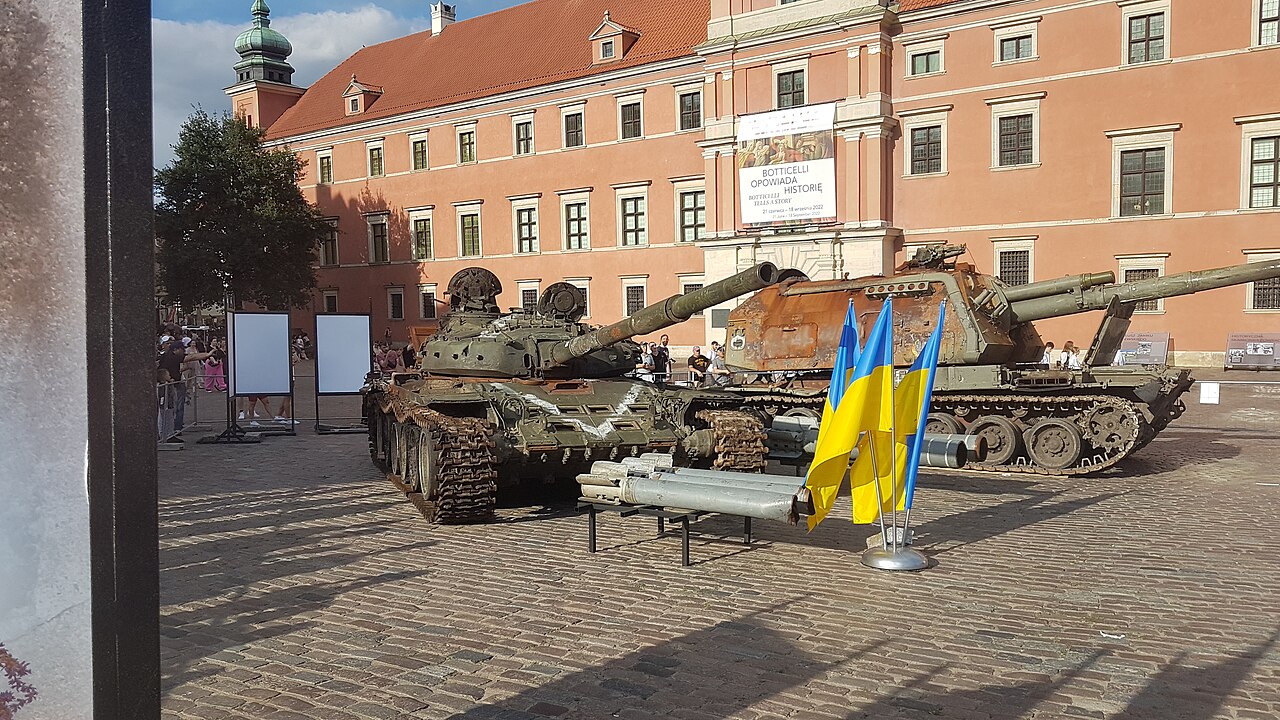
Captured Russian T-72 tanks are to be transferred to museums in Lithuania, Latvia, Estonia, Denmark and the Netherlands under a new Ukrainian government scheme.
Kyiv has announced a new government initiative to provide captured Russian T-72 tanks to museums in five European countries. This programme is intended to document the ongoing full-scale invasion by Russia and display military equipment seized during the conflict. This information comes after the Ukrainian Cabinet of Ministers approved a mechanism for such transfers, with early reports from sources such as the UK Defence Journal detailing the initial plans.
The newly approved mechanism allows for the transfer, free of charge, of selected items of Russian military equipment that have been either destroyed or captured on Ukrainian territory. According to updates from the Ukrainian Ministry of Defence, the equipment designated for this scheme was obtained during operations to repel Russian forces. These items are specifically designated for use as museum exhibits and will not be returned to military service, a crucial distinction emphasizing their role as historical artifacts rather than operational assets.
Museums in Lithuania, Latvia, Estonia, Denmark, and the Netherlands are expected to receive captured T-72 tanks under these first announced transfers. The Ukrainian Ministry of Defence has stated that the chosen vehicles are no longer combat-capable and have been thoroughly demilitarized, ensuring they contain no explosive components. This allows for their safe display to the public in an exhibition setting. The initiative represents a collaborative effort between the Ministry of Defence and Ukraine’s Ministry of Culture, highlighting the dual military and cultural objectives of the programme.
The selection of Lithuania, Latvia, Estonia, Denmark, and the Netherlands for the initial transfers is notable, reflecting the strong diplomatic and military support these nations have consistently provided to Ukraine since the invasion. The Baltic states, in particular, share a historical context of confronting Russian influence and aggression, making the display of such equipment especially resonant in these regions. Similarly, Denmark and the Netherlands have been key contributors to military and humanitarian aid, underscoring the deep partnerships forged during the conflict.
Kyiv has articulated that a primary objective of this transfer programme is to furnish foreign audiences with tangible evidence of the military hardware deployed by Russia in its aggression against Ukraine. By distributing selected examples of captured equipment to partner countries, Ukraine aims to support broader international efforts to document the conflict and illustrate its material consequences. Rather than retaining all captured vehicles within Ukraine, this strategy ensures that significant artifacts of the conflict can be accessed and studied by diverse audiences globally, forming part of permanent collections or temporary exhibitions.
Beyond mere documentation, the Ukrainian government frames this scheme as a deliberate act of cultural diplomacy and strategic communication. Officials from the Ministry of Defence have expressed that exhibiting captured Russian equipment overseas serves multiple purposes: to provide what Kyiv describes as objective information regarding Ukraine’s ongoing struggle for sovereignty and independence, to foster stronger cooperation with foreign cultural institutions, and critically, to sustain public awareness of the conflict among allied and partner states. This approach aims to counteract potential information fatigue and reinforce the narrative of Ukraine as a nation defending itself against aggression, using physical artifacts as powerful storytelling tools.
This museum programme is one facet of a wider Ukrainian strategy to repurpose captured Russian military equipment beyond immediate battlefield utility. A parallel initiative is TrophyLab, a government-backed platform designed to provide international manufacturers, engineers, researchers, and laboratories with access to detailed information and physical components recovered from Russian forces. TrophyLab’s focus is predominantly technical and analytical, enabling organizations to dissect Russian weapon systems and technologies. The insights gained are intended to inform research, aid in the development of countermeasures, and potentially enhance defence production capabilities for Ukraine and its allies.
In contrast to TrophyLab’s technical exploitation, the museum transfers prioritize public display and historical preservation. The vehicles selected for exhibition are specifically rendered inoperable for combat. The initial choice of T-72 main battle tanks is significant. The T-72 series represents one of the most widely deployed and recognizable families of main battle tanks in the Russian arsenal, having been a cornerstone of Soviet and later Russian ground forces for decades. Their presence in these museums will offer visitors a direct insight into the standard equipment used by the invading forces, highlighting the scale and nature of the equipment brought to bear on Ukraine. Furthermore, by transferring these vehicles to museums, Ukraine ensures their definitive removal from any potential future military application, solidifying their status as historical exhibits.
Ukrainian authorities have indicated that this initiative is part of an ongoing suite of government efforts aimed at buttressing international support, deepening cooperation with allied nations, and comprehensively documenting the material impacts of the conflict. The recently approved legal and administrative framework establishes a clear pathway, enabling the potential transfer of additional captured or destroyed Russian equipment to international institutions for exhibition purposes in the future, thereby expanding the reach and impact of this unique programme.
Why This Matters
The decision by Ukraine to transfer captured Russian T-72 tanks to museums in allied nations holds significant implications across multiple dimensions – geopolitical, informational, cultural, and historical. It represents a strategic move by Kyiv to leverage symbols of its battlefield successes into tools for diplomacy, public awareness, and historical documentation.
Symbolic Victory and Narrative Control:The display of captured enemy tanks is a potent symbol of resistance and successful defense. For Ukraine, these tanks are not merely inert metal; they are tangible trophies of war, undermining Russia’s narrative of military invincibility and reinforcing Ukraine’s portrayal as a capable and resilient nation defending its sovereignty. This act serves as a form of “trophy diplomacy,” projecting strength and defiance on the international stage.
Sustaining International Awareness and Support:In a protracted conflict, maintaining global public and political attention is crucial. These museum exhibits serve as powerful, physical reminders of the ongoing war, bringing the realities of the conflict directly to the populations of host nations. This can help to counteract “Ukraine fatigue,” galvanizing continued humanitarian, financial, and military aid from these key allies and ensuring the conflict remains a priority on the international agenda.
Historical Documentation and Education:The transferred tanks become primary historical artifacts, offering future generations direct, physical evidence of the conflict. They can be integrated into educational programmes, informing the public about the realities of modern warfare, the specific equipment used by an aggressor state, and the profound human and material costs of such aggression. This creates an enduring record that transcends news cycles and ensures the lessons of the war are preserved.
Strengthening Alliances and Soft Power:By sharing these significant artifacts with close allies, Ukraine strengthens cultural ties and reinforces diplomatic relationships. This initiative is a form of “soft power,” where cultural exchange reinforces political and military alliances. The act of sharing these items fosters a sense of shared purpose and experience among partner nations, deepening their commitment to Ukraine’s cause. The choice of countries, particularly the Baltic states with their historical apprehensions regarding Russian expansionism, amplifies the resonance of these displays.
Countering Disinformation and Propaganda:In an era of widespread information warfare, physical evidence can be a powerful counter to disinformation campaigns. By presenting the actual equipment used by Russia, Ukraine provides irrefutable proof of the aggressor’s identity, the scale of its military involvement, and the nature of its arsenal, helping to dismantle false narratives and propaganda.
Psychological Impact:For Ukrainian citizens, the knowledge that their captured trophies are being displayed abroad can be a source of national pride and defiance. For international observers, seeing these symbols of conflict up close can evoke a range of emotions, from solemn reflection on the devastation of war to renewed resolve in supporting Ukraine. For Russia, such displays could be perceived as a profound humiliation, further diminishing its international standing.
Ultimately, this programme is more than just an exhibition of military hardware; it is a multifaceted diplomatic, informational, and historical endeavor by Ukraine to control its narrative, solidify its alliances, and ensure the world remembers the realities of the war for years to come.