
Key Takeaways
- Strategic Expansion in a Critical Market:Waymo’s regulatory approval to significantly scale its autonomous ride-hailing services across California, including new major cities like Sacramento and San Diego, marks a pivotal step in establishing commercial viability and market dominance in a key U.S. state. This expansion signals Waymo’s intent to accelerate its monetization strategy and solidify its leadership position amidst intense industry competition.
- Alphabet’s Long-Term AI Bet:As a subsidiary of Alphabet, Waymo’s progress underscores the tech giant’s multi-billion-dollar commitment to AI and robotics beyond its core search and advertising businesses. The ongoing investment reflects a strategic play for future mobility and logistics markets, positioning Alphabet at the forefront of transformative technologies, though sustained profitability remains a distant goal.
- Balancing Innovation with Safety and Regulation:Despite significant technological strides and expansion efforts, Waymo, like its peers, continues to grapple with high-profile safety incidents and evolving regulatory frameworks. Recent recalls and the cautious, “gradual” approach to new market launches highlight the delicate balance between rapid deployment, ensuring public trust, and navigating the complex legal and operational challenges inherent in the autonomous vehicle sector.
‘Barron’s Roundtable’ panelists discuss the growth of autonomous ride-shares and what Waymo’s success means for the industry.
MOUNTAIN VIEW, CA –In a significant move set to reshape the competitive landscape of autonomous mobility, Waymo, the self-driving technology subsidiary of Alphabet (NASDAQ: GOOGL), announced Friday its extensive expansion plans across California. This strategic push to scale its autonomous ride-hailing business into two new major markets – Sacramento and San Diego – while bolstering existing operations in the San Francisco Bay Area and Los Angeles, underscores the fierce race for market share and commercial viability in the nascent yet transformative autonomous vehicle (AV) sector.
The announcement, which followed crucial authorizations from the California Department of Motor Vehicles last year and recent approval from the California Public Utilities Commission (CPUC), marks a critical regulatory and operational milestone. For Alphabet, Waymo represents a long-term, multi-billion-dollar wager on the future of transportation, diversifying its revenue streams beyond its advertising core and leveraging its prowess in artificial intelligence and data analytics. This expansion into the Golden State, a notoriously challenging but highly lucrative market, is pivotal for demonstrating the scalability and commercial potential of Waymo’s advanced Driver system.
“Big news for the Golden State — we have received the CPUC’s approval to expand our autonomous ride-hailing service across the SF Bay Area and LA, and bring our service to Sacramento and San Diego,” Waymo stated in a post on X, signaling readiness to capitalize on California’s dense urban centers and tech-savvy population. The move comes as the autonomous vehicle industry navigates a complex interplay of rapid technological advancement, intense competition, and stringent regulatory oversight, particularly in the wake of high-profile incidents involving competitors.
WAYMO RECALLS MASSIVE AUTONOMOUS FLEET AFTER INCIDENT FLAGS MAJOR SAFETY ISSUE
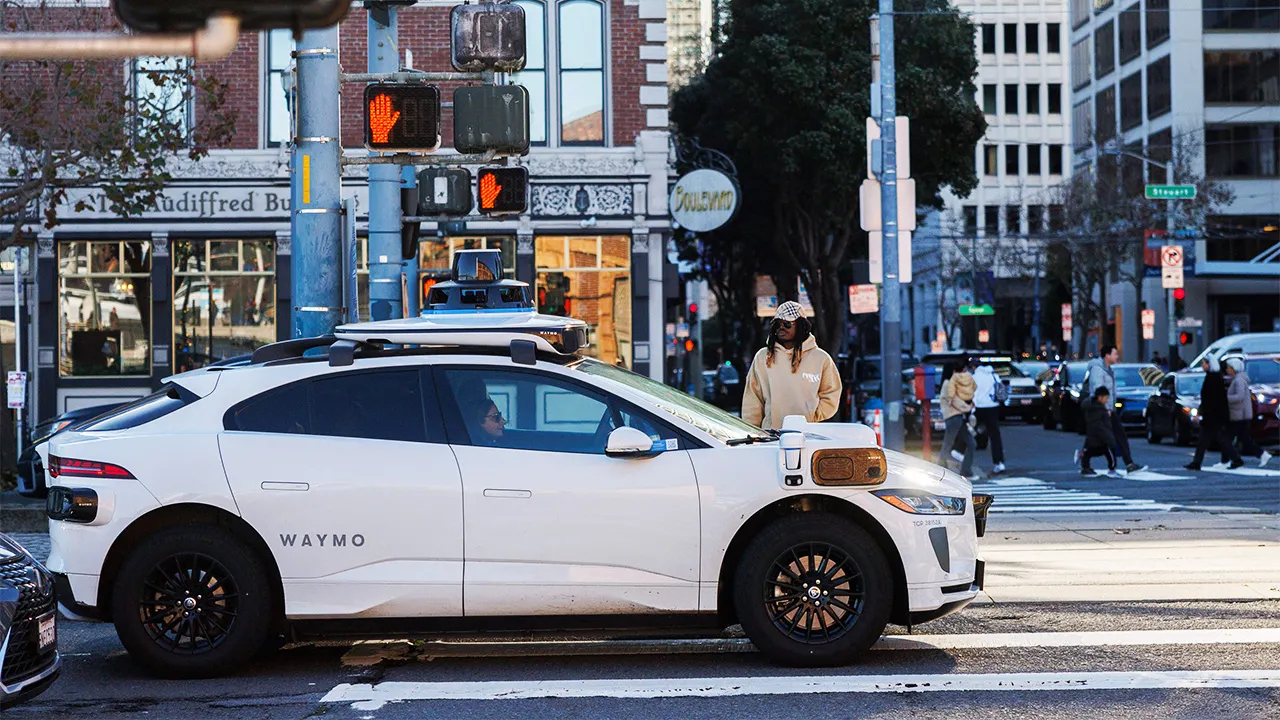
Waymo received regulatory approval to scale up its autonomous ride-hailing service across California, including bringing robotaxis to Sacramento and San Diego.(Armando L. Sanchez/Chicago Tribune/Tribune News Service via Getty Images / Getty Images)
While a specific timeline for the launch in new areas was not provided, Waymo emphasized that the expansion would be “gradual and guided by our safety framework.” This cautious approach reflects the industry’s heightened awareness of public perception and regulatory scrutiny, particularly after recent setbacks faced by rivals like General Motors’ Cruise, which saw its operations severely restricted following safety incidents.
The regulatory nod from the CPUC is more than just a permit; it’s a vote of confidence in Waymo’s technology and safety protocols, distinguishing it in a market where trust is paramount. “This is an important milestone that will allow Waymo to bring the safety and mobility benefits millions of Californians already enjoy to more communities across the state,” the company asserted, underscoring its long-term vision of widespread autonomous mobility.
Waymo currently boasts a significant operational footprint across the U.S., including established services in San Francisco, Los Angeles, Phoenix, and Austin. These operational hubs serve as critical proving grounds, generating vast amounts of data essential for refining its AI-driven autonomous system and validating its safety record. The ongoing data collection and algorithmic improvements are vital for Alphabet’s long-term investment thesis in Waymo, promising future revenue streams from ride-hailing, logistics, and potentially even autonomous delivery services.
ZOOX CEO SAYS AUTONOMOUS VEHICLES NEED REGULATION MONTHS AFTER ROBOTAXI DROVE INTO LAS VEGAS FIRE SCENE
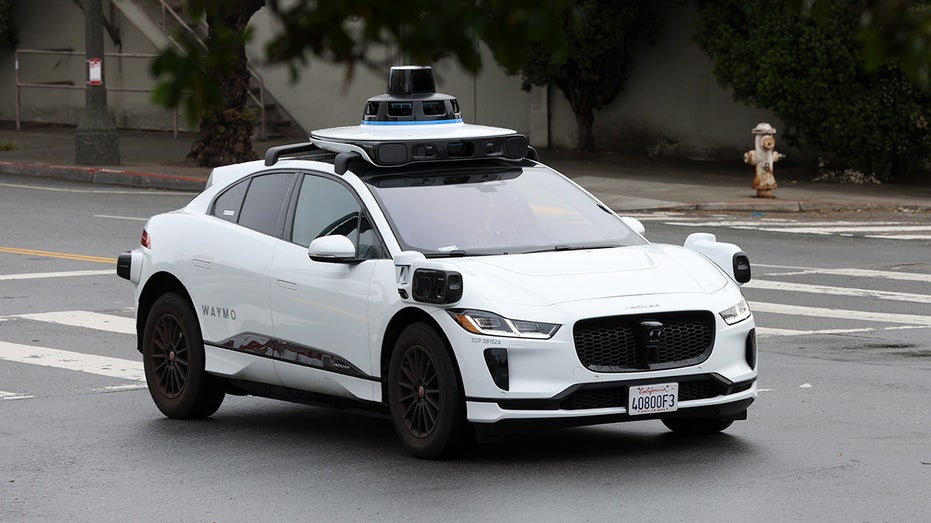
A Waymo autonomous vehicle drives along Masonic Avenue on April 11, 2022 in San Francisco, California. (Justin Sullivan/Getty Images / Getty Images)
Beyond California, Waymo is aggressively pursuing national expansion, as evidenced by its February announcement of plans to enter the Chicago market. Initiating with “laying the early groundwork” for operations, including mapping and manual vehicle testing, this move into the Midwest signals Waymo’s ambition to establish a coast-to-coast presence. Such broad geographical diversification is crucial for achieving economies of scale, maximizing data collection, and ultimately accelerating the path to profitability, which remains a significant hurdle for most AV companies given the enormous R&D costs.
However, Waymo’s journey has not been without its challenges. The company has faced several recalls this year, most notably in June, when it recalled nearly 4,000 robotaxis. This action came after more than a dozen incidents where autonomous vehicles entered closed freeway construction zones, as reported by the National Highway Traffic Safety Administration (NHTSA). The NHTSA investigation revealed a software issue that could allow affected vehicles to “fail to recognize or properly respond to certain construction-zone closures,” potentially leading to unsafe conditions if vehicles continued at posted speeds in hazardous areas.
These safety incidents, while met with swift remedial action, underscore the inherent complexities and risks in deploying cutting-edge autonomous technology. They also highlight the crucial role of regulatory bodies like NHTSA in ensuring public safety and maintaining confidence in a nascent industry. As Zoox CEO Aicha Evans emphasized months prior, robust regulation is essential for the industry’s sustainable growth, acknowledging the need for a collaborative approach between innovators and policymakers to build a safe and trusted autonomous future.
For investors, Waymo’s expansion signifies a promising, albeit capital-intensive, trajectory for Alphabet’s “Other Bets” segment. The ability to navigate regulatory hurdles and progressively scale operations without major safety compromises will be critical in distinguishing Waymo from its competitors, including Tesla’s Full Self-Driving (FSD) beta and Amazon’s Zoox. The long-term success of these ventures will depend not only on technological superiority but also on robust safety frameworks, public acceptance, and a clear path to profitability.
FOX Business has reached out to Waymo for additional information, including when the expanded California services are expected to launch, as stakeholders keenly await further details on this significant market penetration.
FOX Business’ Bradford Betz and Brittany Miller contributed to this report.
Market Impact
Waymo’s aggressive expansion in California, a premier market for autonomous vehicle adoption, carries significant market implications. For Alphabet (NASDAQ: GOOGL), this solidifies Waymo as a leading player in the AV race, potentially enhancing its long-term growth narrative and diversifying its revenue streams beyond its core advertising business. Increased operational scale in key urban areas accelerates data collection and system refinement, crucial for achieving profitability and justifying Alphabet’s substantial R&D investments. This expansion also puts pressure on competitors like Cruise, Zoox, and even Tesla’s FSD, intensifying the race for regulatory approvals and commercial deployment, and potentially leading to further consolidation or strategic partnerships within the industry. Investor sentiment towards the entire AV sector will likely see a boost from Waymo’s regulatory success, although ongoing safety concerns and the high capital expenditure required will continue to temper valuations and keep the focus on a definitive timeline for widespread commercial viability and positive cash flow. The strategic footprint in California could also influence national regulatory standards and urban planning for future smart cities, making Waymo a bellwether for the future of transportation infrastructure.