
Key Takeaways:
- Democratizing Game Creation:Meta’s new “Pocket” app empowers users to generate interactive, “vibe-coded” games using simple AI prompts, making game development accessible without traditional coding skills.
- Accelerated AI Product Rollout:Pocket’s rapid U.S. expansion underscores Meta’s intensified strategy to mainstream AI creation tools, following successful forays into AI-generated images and videos.
- Strategic Proliferation of Standalone Apps:The app is a prime example of Meta’s broader initiative to quickly ship and test numerous standalone applications, a strategy enabled by AI-powered software development and designed to scale new ideas via recommendation systems.
In a significant move that further solidifies its commitment to AI-driven creativity, Meta is now rolling out its experimental “vibe-coding” gaming app, Pocket, to all users across the U.S. This quiet yet impactful launch follows an initial test phase in Brazil last month, bringing a novel way to create and share interactive experiences directly to the fingertips of American users.
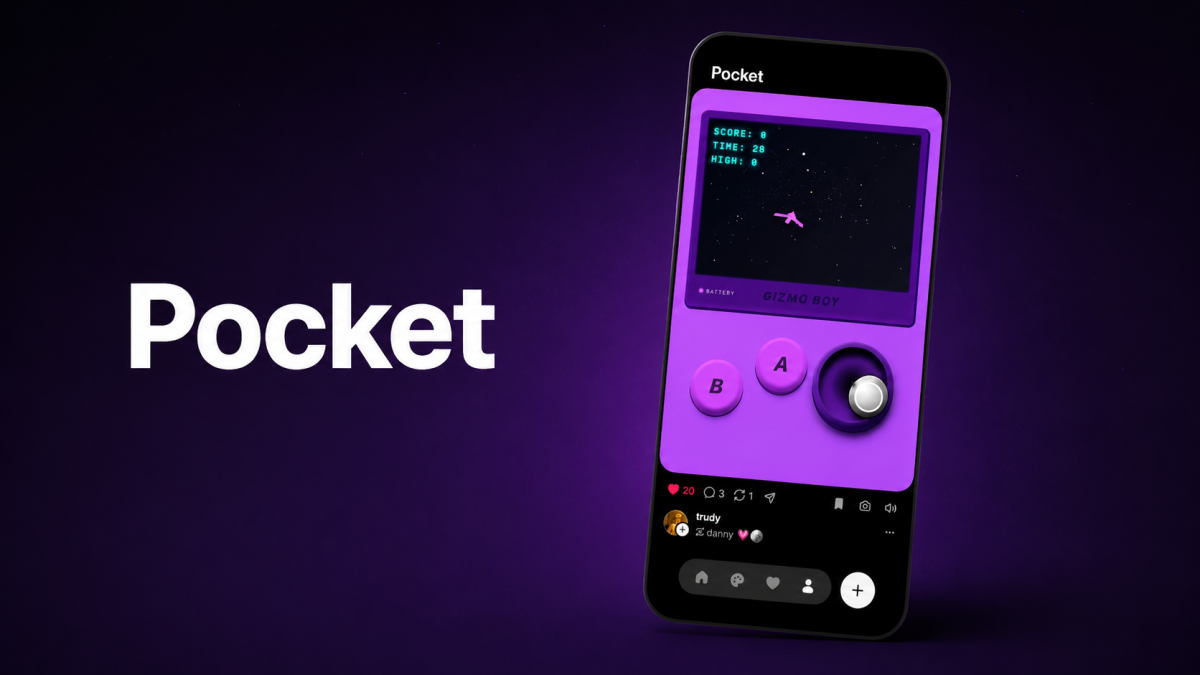
Pocket distinguishes itself by allowing individuals to generate small, engaging games using intuitive AI prompts. These creations, dubbed “gizmos,” are then published to a scrollable feed, fostering a dynamic ecosystem of user-generated interactive content. The app’s core technology and concept are deeply rooted in Meta’s strategic acqui-hire of the team behind the original vibe-coded gaming platform, Gizmo, earlier this year. This acquisition signaled Meta’s clear intent to tap into a burgeoning market for simplified, expressive game creation.
Unpacking Pocket: The Rise of Vibe-Coded Gaming
At the heart of Pocket lies the innovative concept of “vibe-coding,” a departure from traditional, complex game development. Instead of intricate lines of code, users leverage AI prompts – descriptive phrases, keywords, or even emotional cues – to guide the AI in generating interactive experiences. This approach drastically lowers the barrier to entry, transforming anyone with an idea into a potential game creator.
The resulting “gizmos” are far from static. They are designed to be highly responsive and immersive, reacting dynamically to user input and device interaction. These mini-games can respond to the touch of a finger, the tilt of a phone, and incorporate a range of sensory elements, including bespoke sound effects and even clips of a user’s favorite songs. The creative toolkit extends further, allowing users to integrate personal media by drawing on photos from their camera roll or accessing their device’s live camera feed, adding a highly personalized dimension to each creation.
Once created, these “gizmos” are not just solitary experiences. Pocket is built with social interaction at its core. Users can easily share their creations on their profiles, opening them up to a community of fellow creators and players. The platform encourages further engagement through features that allow others to save, remix, or simply repost existing gizmos. This remix culture, reminiscent of viral content platforms like TikTok, promises to foster a vibrant, collaborative environment where ideas can rapidly evolve and spread.
Meta’s AI-Driven Product Proliferation Strategy
Pocket’s arrival is not an isolated event but rather the latest, and perhaps most interactive, manifestation of Meta’s aggressive push to make AI creation tools ubiquitous. This strategy has been consistently unfolding over recent months, with Meta introducing a suite of experimental apps designed to put powerful AI capabilities directly into the hands of everyday users. Preceding Pocket were initiatives like the Meta AI app, which enables the generation of AI-powered images, and Vibes, an experimental application focused on AI-created videos. These apps collectively paint a clear picture of Meta’s vision: to democratize advanced creative processes through artificial intelligence.
The increased output of these standalone mobile applications has been a point of pride for Meta CEO Mark Zuckerberg. He has openly credited AI-enabled software development as the key accelerant, making it significantly faster for the company to conceptualize, test, and ship new ideas. During a July earnings call, Zuckerberg articulated this strategy, stating, “Earlier this year, we shipped Instagram Instants. We also just launched Forum, a stand-alone Groups app, and Seller, a stand-alone Marketplace app. I expect it to become a lot easier to ship new apps. So we are planning to build out more ideas and use our recommendation systems to scale them.”
This philosophy of rapid iteration and leveraging AI to streamline development is yielding a diverse portfolio of experimental products. In addition to Instants, Forum, and the Seller app – which aim to deconstruct and enhance specific functionalities traditionally housed within Meta’s larger platforms – the company has also launched an experiment involving AI-generated bedtime stories, and most recently, a standalone Meta AI app for Mac. This flurry of releases demonstrates a strategic pivot: rather than solely integrating new features into existing flagship apps, Meta is exploring numerous specialized verticals, each powered by AI, to capture new user bases and test novel interaction paradigms. The goal is clear: to identify winning concepts quickly and scale them using Meta’s formidable recommendation engines.
The Broader Implications: Democratizing Creation and the Future of Content
Pocket’s launch, alongside its AI-powered siblings, carries significant implications for the future of digital content creation and consumption. By simplifying game development to “vibe-coding” and AI prompts, Meta is effectively democratizing a skill traditionally reserved for a specialized few. This could unleash a wave of creativity from individuals who possess imaginative ideas but lack the technical expertise to bring them to life through conventional means. Imagine a future where casual users can craft interactive birthday invitations, dynamic meme games, or personalized storytelling experiences with the ease of typing a few descriptive words.
Furthermore, Pocket’s emphasis on shareability and remixing positions it as a potential breeding ground for viral content. Much like short-form video on TikTok or user-created experiences on Roblox, “gizmos” could become a new medium for cultural expression, challenges, and trends. The ability to quickly iterate on someone else’s idea and add a personal twist could lead to exponential content growth and engagement, further cementing Meta’s role in shaping online social interactions.
However, this rapid proliferation of AI-generated content also introduces challenges. Content moderation will be paramount to ensure a safe and positive environment, particularly given the potential for misuse or the generation of inappropriate content. Ensuring a high baseline quality for AI-generated gizmos will also be crucial for sustained user engagement, preventing the platform from becoming oversaturated with low-effort creations. As Meta continues to push the boundaries of AI-powered creation, these operational considerations will undoubtedly evolve in parallel with the technology.
Bottom Line
Meta’s Pocket app represents more than just a new casual gaming platform; it is a clear strategic statement about the company’s future. By leveraging AI to empower widespread content creation, Meta is not only broadening its product ecosystem but also actively shaping how individuals will interact with and contribute to digital worlds. As part of a larger, AI-driven strategy to rapidly launch and scale diverse standalone applications, Pocket serves as a vivid illustration of Meta’s ambition to democratize creative tools and solidify its position at the forefront of the AI and metaverse frontiers. Its success will be a testament to the power of intuitive AI interfaces to unlock creativity in the masses, transforming everyday users into digital artisans.
When you purchase through links in our articles, we may earn a small commission. This doesn’t affect our editorial independence.
{content}
Source:{feed_title}