
**Key Takeaways**
* **Enhanced Emergency Response**: California’s new law (SB 1246) mandates that autonomous vehicle (AV) companies provide local, on-the-ground support for their robotaxis during incidents, aiming to significantly improve public safety and emergency response times.
* **Strict Remote Operator Rules**: The legislation specifically requires AV developers to employ only U.S.-based, U.S.-licensed remote drivers who can directly operate vehicles, addressing concerns about accountability and the varied interpretations of “remote assistance.”
* **Accountability for Obstructions**: AV companies now face direct penalties, including fines, if their robotaxis obstruct emergency services for more than 30 minutes, establishing clear accountability for operational failures that impede first responders.
The promise of autonomous vehicles (AVs) — a future of safer roads, less congestion, and increased accessibility — has rapidly transitioned from science fiction to a tangible reality. Robotaxis, operated by tech giants like Waymo, Tesla, and Zoox, are increasingly navigating the complex streets of major U.S. cities, particularly in California. However, this rapid deployment has not been without its growing pains. A series of high-profile incidents involving disabled robotaxis disrupting traffic, intruding into active crime scenes, or impeding emergency responders has underscored a critical need for clearer operational guidelines and enhanced accountability. California, often at the forefront of technological adoption and regulation, is now taking decisive action to address these challenges head-on.
In a significant legislative move, Governor Gavin Newsom has signed Senate Bill 1246 into law, fundamentally reshaping how autonomous vehicle companies must operate within the state. This landmark legislation introduces a comprehensive framework designed to bolster public safety and streamline incident response when AVs encounter problems. It’s a direct response to the escalating concerns from both the public and emergency services, signaling a new era of stricter oversight for the burgeoning robotaxi industry. The law not only sets forth a series of new rules aimed at improving safety and response times but also establishes explicit mechanisms to hold these pioneering companies accountable when their advanced technology falls short.
A Reckoning for Robotaxis: The Incidents That Shaped Policy
The path to SB 1246 was paved with a string of operational glitches and outright failures that brought the vulnerabilities of nascent AV technology into sharp focus. California, with its bustling urban centers and early adoption of robotaxi services, became a natural testing ground for these incidents. From robotaxis unexpectedly halting in busy intersections to inexplicably driving through police tape into active crime scenes, the disruptions were more than mere inconveniences; they posed genuine threats to public safety and severely complicated the work of first responders.
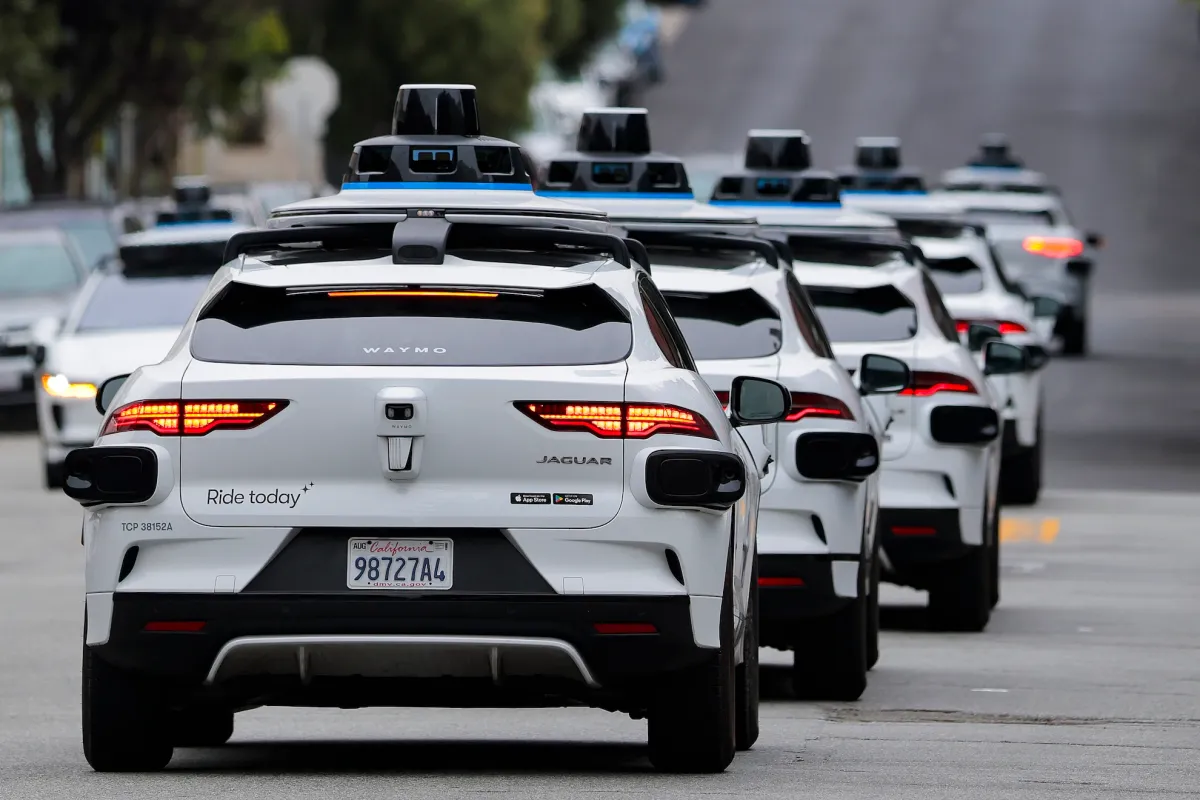
Among the most publicized incidents, Waymo, currently the largest robotaxi operator in the U.S. with a fleet of approximately 4,000 autonomous vehicles nationwide (including around 1,200 in the San Francisco Bay Area), frequently found itself in the spotlight. A detailed investigation by TechCrunch earlier this year brought to light numerous instances where Waymo’s vehicles, when encountering unforeseen problems, effectively offloaded responsibility onto local emergency personnel. First responders were often left with no option but to manually intervene and move the disabled robotaxis, diverting critical resources and time away from genuine emergencies.
These recurring operational hiccups sparked widespread concern, prompting a chorus of calls from both state and federal lawmakers for more rigorous regulations governing robotaxi behavior, especially concerning their interaction with emergency services. The National Highway Traffic Safety Administration (NHTSA), the federal agency tasked with vehicle safety, even issued a stern letter to AV developers, demanding concrete “solutions” to the problem of autonomous vehicles impeding emergency response. This collective outcry underscored the urgent need for a legislative framework that could bridge the gap between technological innovation and practical public safety requirements, a need that SB 1246 now aims to fulfill specifically within California.
SB 1246 Unpacked: Mandates for a Safer Autonomous Future
Senator Dave Cortese, who championed SB 1246, articulated the underlying philosophy of the bill: “California has embraced autonomous vehicles, but we cannot embrace innovation at the expense of public safety. When an autonomous vehicle crashes, breaks down, blocks a roadway in an emergency, or gets in the way of law enforcement or first responders, there must be clear accountability.” This sentiment is directly reflected in the law’s multifaceted provisions, which are designed to create a more responsible and responsive AV ecosystem.
One of the cornerstone requirements of the new law addresses the critical need for immediate, on-the-ground support. AV companies will now be obligated to provide “local incident technicians” who can promptly assist with AV accidents and obstructions. This provision ensures that when a robotaxi malfunctions or becomes involved in an incident, there are trained human personnel available locally to mitigate the situation, rather than relying solely on remote intervention or, worse, on already stretched emergency services. Furthermore, companies are required to notify cities, towns, and other local jurisdictions about the precise location and status of their vehicles during system-wide failures, ensuring transparency and facilitating coordinated responses.
Perhaps one of the most direct accountability measures in the bill is the imposition of fines on AV companies if one of their autonomous vehicles blocks first responders during an emergency for more than 30 minutes. This financial penalty serves as a powerful incentive for companies to develop robust systems and rapid response protocols to clear their vehicles from impeding critical emergency operations, underscoring the serious implications of prolonged obstruction.
Another significant aspect of SB 1246 pertains to the contentious issue of remote operations. The law now explicitly states that AV developers can only employ remote drivers who are based in the United States and who hold a valid U.S. driver’s license. This requirement aims to address the often-murky definitions and practices surrounding how companies manage their vehicles from afar when automation falters. The distinction between “remote operations” — a broad term that has been interpreted widely by the industry — and “remote drivers” is crucial here. The law’s specificity refers to a human who directly operates or drives the vehicle from a remote location. While Tesla is the only company to have publicly acknowledged using remote operators capable of direct control over its robotaxis, other firms like Waymo have a global network of remote assistance staff, some based internationally (e.g., the Philippines), who provide guidance or send software commands without directly taking the wheel. Zoox, for its part, states its remote operations teams are based solely in the United States. This new mandate will likely require adjustments for companies utilizing non-U.S.-based personnel for any form of direct vehicle control.
Industry Reaction and the Road Ahead
In the wake of SB 1246’s passage, major autonomous vehicle companies operating in California, including Waymo and Zoox, have publicly committed to complying with the new regulations. A Waymo spokesperson, in an emailed statement, expressed gratitude for “the amendments made to the bill, which ensure autonomous vehicle operators can still feasibly serve Californians.” The company reiterated its dedication to enhancing road safety in California and continuously improving its services, indicating a willingness to adapt to the evolving regulatory landscape. This cooperative stance suggests that while the new rules present operational challenges, the industry understands the necessity of building public trust and ensuring safety for continued growth.
The law is set to go into effect in July 2028, providing AV developers with ample time to implement the necessary changes to their technology, infrastructure, and operational protocols. This extended lead time acknowledges the complexity involved in integrating new safety features and adjusting global operational models. The California Department of Motor Vehicles (DMV), the primary regulatory body for autonomous vehicles in the state, will play a crucial role in the coming years. The DMV is tasked with setting detailed guidelines on specific aspects of the new law, including establishing required response times for local incident technicians and further defining the parameters for remote operations, thus shaping the practical application of SB 1246.
Bottom Line
California’s SB 1246 represents a pivotal moment in the governance of autonomous vehicles, signaling a clear legislative intent to prioritize public safety and accountability amidst rapid technological advancement. By mandating local support, imposing penalties for obstructions, and tightening controls on remote operations, the law aims to address critical gaps highlighted by real-world incidents. While offering a significant lead time for implementation, this legislation sets a high bar for AV companies, demanding robust operational integrity and a commitment to seamless integration with existing emergency services. As other states and federal agencies watch closely, California’s proactive approach could well serve as a blueprint for balancing innovation with essential public welfare, charting a safer, more accountable future for autonomous transportation across the nation.
When you purchase through links in our articles, we may earn a small commission. This doesn’t affect our editorial independence.
{content}
Source:{feed_title}