
Key Takeaways
- California Governor Gavin Newsom vetoed SB 1130, a bill aimed at regulating secret recording with wearable devices, citing overly broad definitions and redundancy with existing state laws.
- The bill sought to address growing privacy concerns surrounding “always-on” smart glasses and AI pendants, which allow discreet recording in public without explicit consent.
- Newsom’s decision highlights the complex challenge lawmakers face in regulating rapidly evolving surveillance technologies while balancing innovation, individual privacy, and free speech concerns.
California Governor Halts Landmark Wearable Recording Ban, Citing Ambiguity
In a significant move that underscores the ongoing tension between technological innovation and personal privacy, California Governor Gavin Newsom has vetoed a pioneering bill aimed at curbing the secret recording of individuals by wearable devices. Senate Bill 1130, which sought to make it unlawful to surreptitiously record people with smart glasses, AI pendants, and similar gadgets, was returned to the legislature this week, leaving the state without specific regulations for this burgeoning class of “always-on” tech.
Newsom’s decision, articulated in a letter to lawmakers, hinged primarily on what he described as the bill’s “broadly or imprecisely” defined scope for wearable recording devices. He warned that such ambiguity could lead to unforeseen consequences and confusion, potentially stifling legitimate uses of technology or inadvertently penalizing innocent actions. Furthermore, the Governor pointed out that many of the protections SB 1130 sought to establish are already enshrined within California’s existing legal framework, suggesting the bill was, in parts, redundant.
The Bill’s Bold Ambition: Addressing a New Era of Surveillance
Had it passed, SB 1130 would have positioned California at the forefront of regulating smart glasses and other inconspicuous recording technologies within the United States. Its passage would have marked a significant legislative milestone, placing California alongside countries like Norway, which is reportedly considering outright bans on such devices. The proposed law envisioned penalties ranging from fines to prison time for individual violators and substantial financial penalties for wearable manufacturers failing to comply with its stipulations.
Authored by California State Senator Eloise Gómez Reyes, the bill was a direct response to the rapid proliferation of consumer-grade wearables equipped with cameras and microphones that are designed to discretely capture audio and video. Senator Reyes was quoted by ABC News emphasizing the bill’s intent to help California adapt to the challenges posed by this new wave of “always-listening” and “always-recording” technology. The legislative effort was a clear signal that lawmakers were grappling with the ethical and privacy implications of devices that make recording others more pervasive and less obvious than ever before.
The Rise of Ubiquitous Recording: From Smart Glasses to AI Pendants
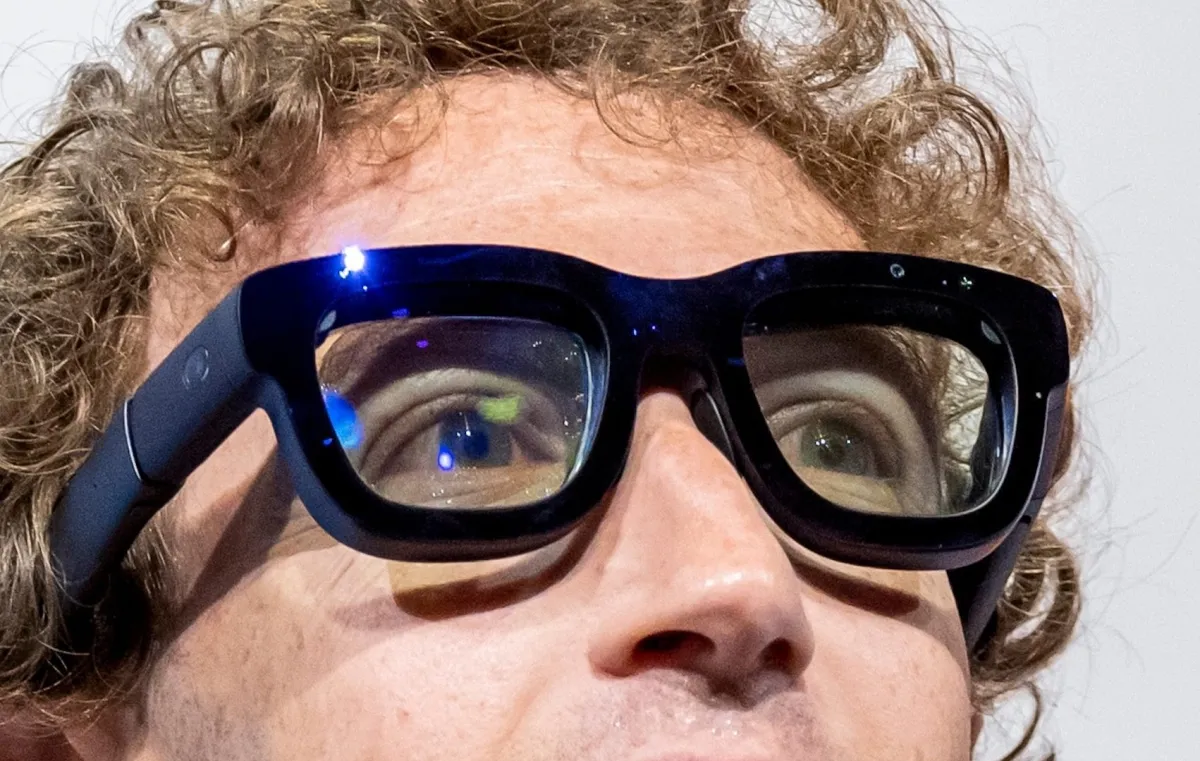
The impetus behind SB 1130 is rooted in the accelerating development and adoption of internet-connected wearables. Tech giants like Meta and Snap have aggressively marketed smart glasses that seamlessly blend recording capabilities into everyday eyewear. Meta, for instance, reported selling over 7 million units of its smart glasses last year alone, indicating a growing consumer appetite for these devices. Beyond glasses, the market has seen the emergence of other discrete recording wearables, such as AI-powered pendants, which offer similar “always-on” capabilities, often integrating advanced artificial intelligence for real-time analysis or summarization of ambient data.
These devices, while often touted for their convenience and augmented reality features, invariably raise profound privacy questions. Their discreet nature makes it challenging for individuals to know when they are being recorded, fundamentally altering social interactions and public spaces. The ease with which these wearables can capture intimate moments or private conversations without explicit consent has fueled a heated public discourse and considerable apprehension.
The Heart of the Controversy: Privacy, Consent, and “Pervert Glasses”
The debate surrounding these controversial wearables has been particularly charged, with critics and consumers alike frequently labeling them “pervert glasses” due to numerous reports of misuse. Incidents involving individuals secretly recording and harassing others have been widely reported, sparking outrage and contributing to the demand for legislative intervention. The core issue revolves around consent in an increasingly surveilled environment. While traditional recording often involves obvious equipment, these new wearables blur the lines, making consent ambiguous and often unattainable.
California already operates under a “two-party consent” law for recording conversations, meaning all parties must agree to be recorded. However, the application of this law to public spaces and inconspicuous wearable devices has proven complex and difficult to enforce. SB 1130 aimed to clarify and strengthen these protections specifically for wearable recording, but Newsom’s veto suggests a belief that the existing legal framework, albeit perhaps imperfectly applied, is sufficient or that the proposed solution introduced more problems than it solved.
Beyond Glasses: The “Always-Listening” Frontier
The challenges posed by wearable recording extend beyond smart glasses. Last month, Apple announced an update to its Apple Watch software that includes an “always-listening” feature. This functionality allows wearers to instantly replay a transcript of the past 15 seconds of ambient audio and even recap and summarize conversations from the entire day. While distinct from active video recording, this feature represents another facet of the ambient data capture trend, raising similar questions about passive surveillance and the collection of personal information without explicit awareness or consent. Such features, even if designed with benevolent intentions like personal productivity, contribute to a broader ecosystem where technology is constantly observing and documenting our lives.
What Next for California?
With Governor Newsom’s veto, the immediate future for specific wearable recording regulation in California remains uncertain. Lawmakers could attempt to revise SB 1130 to address the Governor’s concerns regarding imprecise definitions and redundancy, potentially reintroducing a more refined version in a future legislative session. However, the veto signals a cautious approach from the executive branch, prioritizing legislative clarity and avoiding potential overreach or unintended consequences, even in the face of pressing privacy concerns. The onus is now back on the legislature to craft a bill that can meet both the urgent need for privacy protection and the rigorous standards for legal precision.
Bottom Line
Governor Newsom’s veto of California’s wearable recording bill highlights the intricate tightrope walk policymakers face in a rapidly advancing tech landscape. While the intent to safeguard privacy from pervasive, discreet surveillance devices like smart glasses is clear and increasingly necessary, the challenge lies in crafting legislation that is precise, enforceable, and doesn’t inadvertently impede innovation or legitimate use. This decision leaves California consumers navigating a murky legal environment concerning personal data capture by wearables, underscoring the broader, unresolved global debate over how to balance technological progress with fundamental rights to privacy in the digital age.
When you purchase through links in our articles, we may earn a small commission. This doesn’t affect our editorial independence.
{content}
Source:{feed_title}