
Welcome back toTechCrunch Mobility— your central hub for news and insights on the future of transportation. To get this in your inbox, sign up here for free — just click TechCrunch Mobility!
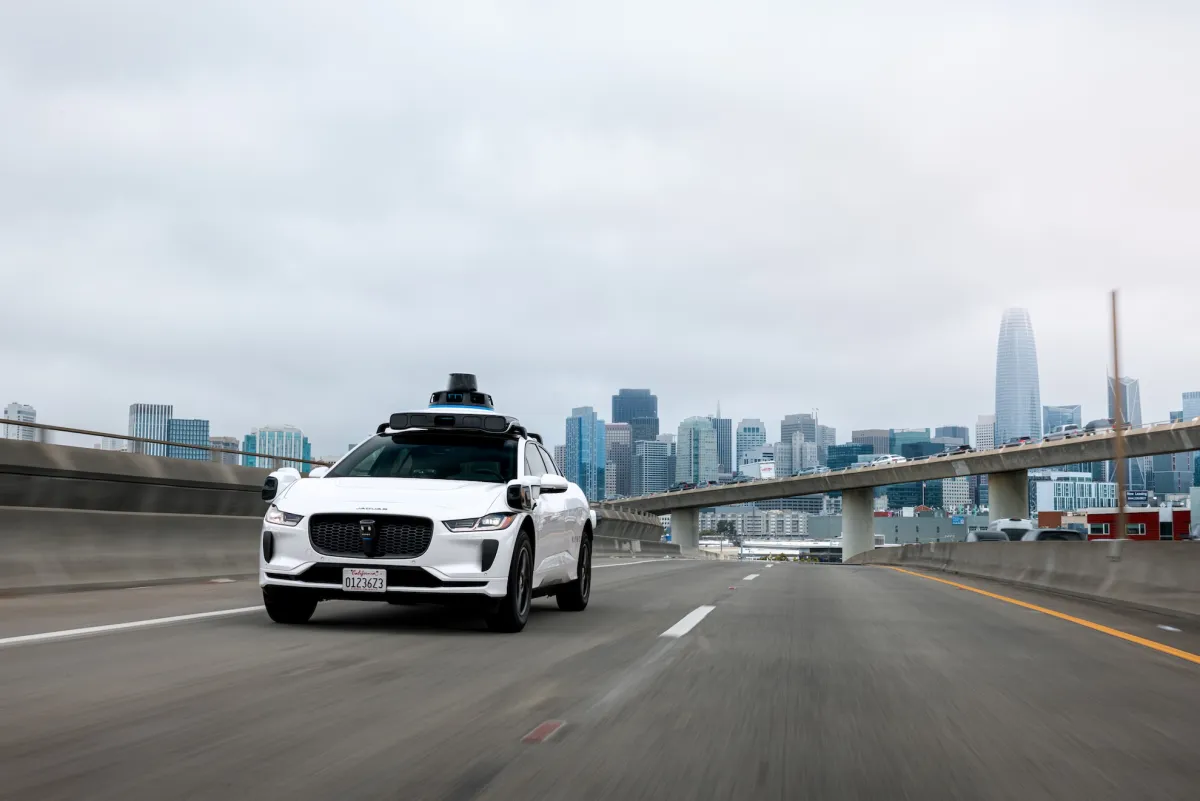
Today, we’re taking a deep dive into a pivotal development shaping the autonomous vehicle (AV) landscape. While our newsletter isn’t region-specific, certain state-level policies can send ripples across the entire tech industry. This week, California’s Department of Motor Vehicles (DMV) issued new rules for AV testing and deployment, and their implications are profound, sparking strong, though often private, reactions from industry insiders.
Key Takeaways:
- Enhanced Accountability & Data Requirements:California’s new, comprehensive AV regulations introduce direct accountability for companies regarding traffic violations and mandate more robust data collection, replacing older, inconsistent reporting standards.
- Mixed Industry Reception:While the allowance for heavy-duty autonomous vehicles is a significant win for trucking firms, the broader industry is grappling with new data sharing requirements, frequently labeling them as “burdensome.”
- Clarity Over Consistency:The controversial annual disengagement reports have been replaced by a requirement to report “dynamic driving task performance relevant system failure,” a change aiming for clearer, albeit not universally beloved, metrics for AV performance.
The DMV’s new framework, spanning two comprehensive documents totaling 100 pages, outlines detailed requirements for both testing and deployment of autonomous vehicles. After spending days conversing with engineers and policy strategists across the AV sector, a clear picture emerged: the industry has strong opinions, yet few are willing to voice them publicly. Fortunately, the public commentary period on these regulations offers a glimpse into what the industry supported and where it pushed back.
These regulations introduce more stringent demands across data collection and sharing, operational protocols, and training. Let’s break down some of the most impactful elements and the feedback we’ve gathered.
California’s Landmark AV Regulatory Overhaul
Accountability on the Road: Ticketing Robotaxis
One of the most talked-about stipulations is the ability for law enforcement to cite AV companies for traffic infractions committed by their vehicles. Under the new “Notice of Autonomous Vehicle Noncompliance” rule, manufacturers (i.e., robotaxi companies) must report violations to the DMV within 72 hours of receiving notification from law enforcement. While interpretations vary, it appears these violations do not carry monetary fines at present. Instead, they serve as crucial data points for the DMV to identify systemic issues and take necessary corrective action.
Insiders tell me that this data-driven approach is far more significant than a simple financial penalty, offering a granular view into performance and potential areas of failure. However, it begs the question: why not both? A combination of actionable data and monetary penalties could provide a more robust deterrent and incentive for compliance, signaling the seriousness of public road safety.
Techcrunch event
San Francisco, CA
|
October 13-15, 2026
Paving the Way for Heavy-Duty AVs
In welcome news for a segment of the industry, the DMV has greenlit heavy-duty vehicles equipped with autonomous technology for testing and eventual deployment on public roads. This marks a significant step forward for self-driving truck companies, which have long sought clearer pathways to commercialization.Daniel Goff, VP of external affairs atKodiak, confirmed the positive impact, noting that his company is already preparing the necessary documentation to apply for a permit. This move could accelerate the development and adoption of autonomous freight, potentially reshaping supply chains and logistics.
The Data Dilemma: Burden vs. Insight
The term that echoed consistently in my conversations with AV industry contacts was “burdensome,” invariably used in reference to the new data collection and sharing regulations. While the specific details of these burdens are often kept private, they generally relate to the sheer volume, granularity, and proprietary nature of the data now required. Companies must dedicate significant resources to collect, process, and securely transmit this information, raising concerns about operational overhead and the potential for revealing competitive advantages.
Evolving Metrics: From Disengagement to Malfunction
A point of relief for some was the abolition of annual disengagement reports. These reports, which documented instances where human drivers had to intervene due to technology failures or safety concerns, were notoriously controversial. Companies often employed varying standards for what constituted a “disengagement,” rendering direct comparisons or objective assessments of AV proficiency nearly impossible. This lack of standardization made the data less reliable and often misleading to the public and regulators alike.
The entire section has been superseded by a requirement to report “dynamic driving task performance relevant system failure.” While this might sound like a semantic shift—trading one piece of jargon for another—insiders confirm that it represents a clearer, more defined metric. It focuses on specific system failures that impact the AV’s ability to perform its core driving tasks, offering a more actionable dataset. Despite being an improvement, it’s far from “beloved,” indicating that the industry still feels the weight of increased reporting and scrutiny.
Ensuring Public Safety: First Responder Protocols
Beyond data, the new documents include crucial provisions for public safety and emergency response. AV companies are now mandated to provide annual updates to first responder interaction plans, ensuring emergency personnel are adequately trained and informed on how to interact with autonomous vehicles. Other requirements include guaranteed access to manual vehicle override systems, the establishment of two-way communication links with rapid 30-second response times, and updated training protocols to facilitate safe and timely interactions with emergency services. These measures underscore the DMV’s commitment to integrating AVs safely into public infrastructure, anticipating and mitigating potential risks.
My question for you, reader, is whether these rules strike the right balance. Do they go too far, stifling innovation with excessive demands, or are they appropriate and necessary to provide the accountability and data collection required for safe, public deployment? Sign up for the Mobility newsletter to vote in our polls!
Beyond California: Global Currents in Autonomous Mobility
Our “little bird” sources have been particularly active regarding these new California AV rules, highlighting the intense internal discussions and strategic shifts underway. The consistent, albeit anonymous, feedback about the “burdensome” nature of the new regulations underscores a broader tension between regulatory oversight and the pace of technological development. This isn’t just a California phenomenon.
For instance, in a notable development that mirrors a growing global cautiousness,Chinarecently suspended issuing new licenses for autonomous vehicles. This decision followed incidents where dozens of Baidu’s Apollo Go robotaxis unexpectedly stopped last month, as reported by Bloomberg. Such events, whether in California or China, emphasize that the journey toward widespread AV adoption is not just about technological advancement but also about robust, adaptable regulatory frameworks that build public trust and ensure safety. These global incidents only amplify the significance of California’s detailed regulatory steps.
Got a tip for us? Email Kirsten Korosec atkirsten.korosec@techcrunch.comor my Signal at kkorosec.07, or email Sean O’Kane atsean.okane@techcrunch.com.
Funding the Future: Investment in Autonomous Tech

Even as regulatory landscapes evolve, investment in the foundational technologies driving autonomous mobility continues unabated.BMW i Ventures, for example, has just launched a new $300 million fund, built on the timely thesis that Artificial Intelligence will fundamentally reshape the automotive industry. This fund will target early-stage through Series B startups across North America and Europe, focusing on cutting-edge areas like agentic AI and physical AI, alongside industrial software, advanced materials, and supply chain innovations. This third fund brings the firm’s total capital under management to a substantial $1.1 billion, signaling continued confidence in the sector’s long-term potential.
Other deals that got my attention …
Sereact, a German robotics startup specializing in AI-powered manipulation, successfully raised $110 million in a Series B funding round. The investment was led by VC Headline, with participation from Bullhound Capital, Felix Capital, Daphni, Air Street Capital, Creandum, and Point Nine. This significant capital injection highlights the growing interest in robotics solutions that can operate autonomously and intelligently, complementing the broader advancements in self-driving vehicles by addressing other complex physical tasks.

Chinasuspended issuing new licenses for autonomous vehicles after dozens of Baidu’s Apollo Go robotaxis suddenly stopped last month, Bloomberg reported.
The Bottom Line
California’s new AV regulations mark a crucial turning point, moving from tentative exploration to a more structured, accountable framework for autonomous vehicle deployment. While the industry grapples with the increased “burden” of data collection and stringent reporting, these rules are a clear signal that public safety and demonstrable performance will be paramount. The global landscape, as evidenced by developments in China, reinforces the necessity of robust oversight. For autonomous technology to truly thrive, it must not only innovate but also adapt to evolving regulatory demands, building trust one meticulously reported mile at a time.
Key Takeaways:
- EV Market Adjusts:Electric vehicle manufacturers likeRivianare rightsizing production and financial strategies, adapting to evolving market demands and economic realities with an eye towards sustainable growth.
- Mobility Ecosystem Expands:Companies likeUberare aggressively diversifying beyond their core services, leveraging strategic partnerships and AI to integrate deeper into users’ daily lives, from autonomous taxis to hotel bookings.
- AI Powers the Future Ride:The integration of advanced AI, exemplified byGoogle‘s Gemini in vehicles, signals a new era of intelligent in-car experiences, while alternative mobility solutions likeVay‘s remote driving gain significant traction.
The Road Ahead: Auto Tech Giants Navigate Pivots, Partnerships, and AI Integration
This week, the dynamic intersection of automotive and technology presented a mosaic of strategic shifts, ambitious expansions, and the quiet recalibration of grand visions. From the factory floor to the digital storefront, industry leaders are demonstrating a blend of resilience, innovation, and a pragmatic approach to an ever-evolving landscape. As electric vehicles continue their march towards ubiquity and mobility services redefine convenience, the underlying currents of AI integration and financial prudence are shaping the contours of tomorrow’s transport ecosystem.
Electric Evolution: Rightsizing Ambitions and Charging Forward
The electric vehicle sector, while still a beacon of future mobility, is undergoing a significant maturation phase. Companies are refining their strategies, balancing aggressive growth targets with the practicalities of production, market demand, and capital expenditure.
Rivian, a prominent player in the EV truck and SUV market, made headlines with a significant adjustment to its financial and operational plans. The company reported a downsizing of its Department of Energy (DOE) loan from an initial $6.6 billion to $4.5 billion. This restructuring isn’t merely a financial tidbit; it comes hand-in-hand with a strategic revision of its ambitious Georgia factory plans. Instead of developing two 200,000-vehicle capacity structures,Rivianwill now focus on building a single 300,000-vehicle capacity factory. The adjacent “pad” will remain undeveloped, ready for future expansion when market conditions truly warrant it. Analysts, including those atBarclays, viewed this not as a setback but as a judicious “rightsizing” for the current EV environment. According to a research note fromBarclayspublished Friday, this modification reflectsRivian‘s adaptability, suggesting no immediate plans for a second plant in Georgia, “at least not until early/mid next decade.” This move underscores a broader industry trend where EV manufacturers are prioritizing efficient scaling and capital preservation over unchecked expansion.
On the infrastructure front,Teslacontinues to fortify its ecosystem, albeit for a different class of vehicle. The company launched its Semi-Charging for Business program, introducing a new product aptly named the Basecharger. Designed specifically for depot and overnight use, this initiative highlightsTesla‘s commitment to building out the necessary charging infrastructure to support its electric semi-trucks, a critical step for broader adoption in commercial logistics. This strategic focus on a complete solution—vehicle plus charging—mirrors its successful Supercharger network for passenger vehicles, aiming to eliminate range anxiety for fleet operators.
Meanwhile, the saga ofFaraday Futurecontinues to unfold with financial intricacies. Senior reporter Sean O’Kane’s recent discovery in an SEC filing revealed that the company paid approximately $7.5 million in 2025 to a firm controlled by its founder, Jia Yueting. Such transactions often invite scrutiny and underscore the complex financial arrangements that can exist within emerging automotive ventures, particularly those with a history of funding challenges.
Expanding Horizons: Mobility, AI, and the Connected Life
Beyond vehicle manufacturing, the broader mobility sector is witnessing a rapid diversification of services and an accelerated integration of artificial intelligence, transforming how we move and interact with our environments.
Uber, the ride-hailing giant, is making aggressive moves to solidify its position as a holistic mobility and services platform. In a significant partnership for its nascent autonomous ambitions,Uberhas tappedHertzto manage the critical operational aspects for itsLucid Motorsrobotaxis, including cleaning, charging, and maintenance. The complexities inherent in launching such a high-tech service, involving a ride-hailing platform, an EV manufacturer, and a traditional fleet management company, prompt a pertinent question: How many companies does it truly take to launch a seamless robotaxi service at scale? This multi-party collaboration highlights the intricate web of expertise required to bring autonomous mobility to the masses, pushing the boundaries of traditional partnerships.
Further extending its reach,Uberis diving deeper into the travel sector by enabling U.S. customers to book hotels directly through its app. This bold move, part of several new features announced this week, pushesUberfar beyond its foundational ride-hailing purpose and firmly into the realm of a “super app,” aiming to become an indispensable tool in its users’ daily lives. At launch, the service offers access to over 700,000 hotels worldwide, facilitated by a strategic partnership with Expedia Group – a company previously led byUberCEO Dara Khosrowshahi for 12 years. This synergy leverages familiar territory for Khosrowshahi, suggesting a well-calculated expansion into an adjacent, high-volume market.
In another interesting development in the autonomous space,Vay, a remote driving tech startup, announced impressive growth. The company has expanded its fleet to 175 vehicles on the road and has surpassed 60,000 rides.Vay‘s model of “teledriving”—where human operators remotely control vehicles—offers an intriguing alternative pathway to commercializing autonomous services, potentially bridging the gap until fully unsupervised self-driving technology matures.
Meanwhile, the future of in-car intelligence is speeding towards us.Google‘s Gemini AI assistant is set to hit the road in millions of vehicles. This integration promises a more intuitive, personalized, and context-aware experience for drivers and passengers, transforming everything from navigation and entertainment to vehicle controls and predictive assistance. The embedding of advanced AI like Gemini directly into the automotive experience marks a significant leap towards fully integrated digital cockpits that learn and adapt to individual users.
Bottom Line
This week’s news paints a vivid picture of an industry in active transformation. FromRivian‘s strategic rightsizing in the EV manufacturing space toUber‘s ambitious expansion into robotaxis and hotel bookings, the overarching theme is adaptability. Companies are not merely reacting to market conditions but proactively shaping their futures through calculated pivots, innovative partnerships, and a relentless pursuit of technological advantage, particularly with the pervasive influence of AI. The road ahead for auto tech is complex, demanding both financial discipline and bold innovation, but it promises a future where mobility is more integrated, intelligent, and tailored to individual needs than ever before.
When you purchase through links in our articles, we may earn a small commission. This doesn’t affect our editorial independence.
{content}
Source:{feed_title}