
The Autonomous Horizon & EV Evolution: Key Moves in Auto Tech
Key Takeaways
- Autonomous Delivery Accelerates:Ocado’s partnership with Wayve signifies a major step towards integrating self-driving technology into last-mile logistics by 2028, highlighting practical applications of AI in supply chains.
- Legacy Automakers Rebound & Rebrand:Stellantis’ ambitious $70 billion turnaround plan, featuring 11 new North American models and a significant investment in Chrysler, underscores the ongoing transformation of traditional OEMs adapting to an electrified and tech-driven future.
- EVs Mature and Refine:The 2026 Nissan Leaf Platinum+ demonstrates a significant leap in range, interior design, and standard tech features, reflecting the overall maturity and enhanced user experience now expected from electric vehicles, even from pioneers like the Leaf.
The automotive industry continues its relentless march forward, driven by advancements in artificial intelligence, electrification, and a renewed focus on user experience. This week brought a series of notable developments, from autonomous delivery partnerships to a major legacy automaker’s revitalization plan, and a testament to how far electric vehicles have come.
Autonomous Ambitions: Delivering the Future & Navigating Regulations
The race to deploy autonomous technology in practical, everyday scenarios is heating up. Online grocery giantOcadorecently announced a strategic partnership with self-driving startupWayve, with the ambitious goal of integrating hands-free driving capabilities into its delivery vehicles by 2028. This collaboration isn’t just about cutting-edge tech; it’s a calculated move to enhance efficiency, reduce operational costs, and meet the ever-growing demand for seamless last-mile delivery. Wayve, known for its AI-first approach to learning to drive, focuses on an end-to-end deep learning system, which contrasts with some rule-based or modular autonomous driving systems. This partnership could be a game-changer for logistics, promising faster, potentially safer, and more scalable delivery solutions for the future of e-commerce.
Meanwhile, the global expansion of advanced driver-assistance systems continues, albeit with regulatory nuances.Tesla’sFull Self-Driving (Supervised) software has officially landed in Lithuania, marking the second European country to approve its use. This expansion is more than just a geographical tick-box for Tesla; it’s a critical component of CEO Elon Musk’s grand vision for the company. Musk’s audacious $1 trillion pay package is famously tied to a series of aggressive product and financial milestones, prominently featuring the goal of achieving “10 million active FSD subscriptions” by 2035. The rollout in Europe, a notoriously complex regulatory landscape for autonomous tech, is essential for reaching such a monumental target. However, the “Supervised” moniker is a constant reminder of the technology’s current limitations, requiring active driver engagement and awareness, and highlighting the ongoing journey towards truly autonomous vehicles.
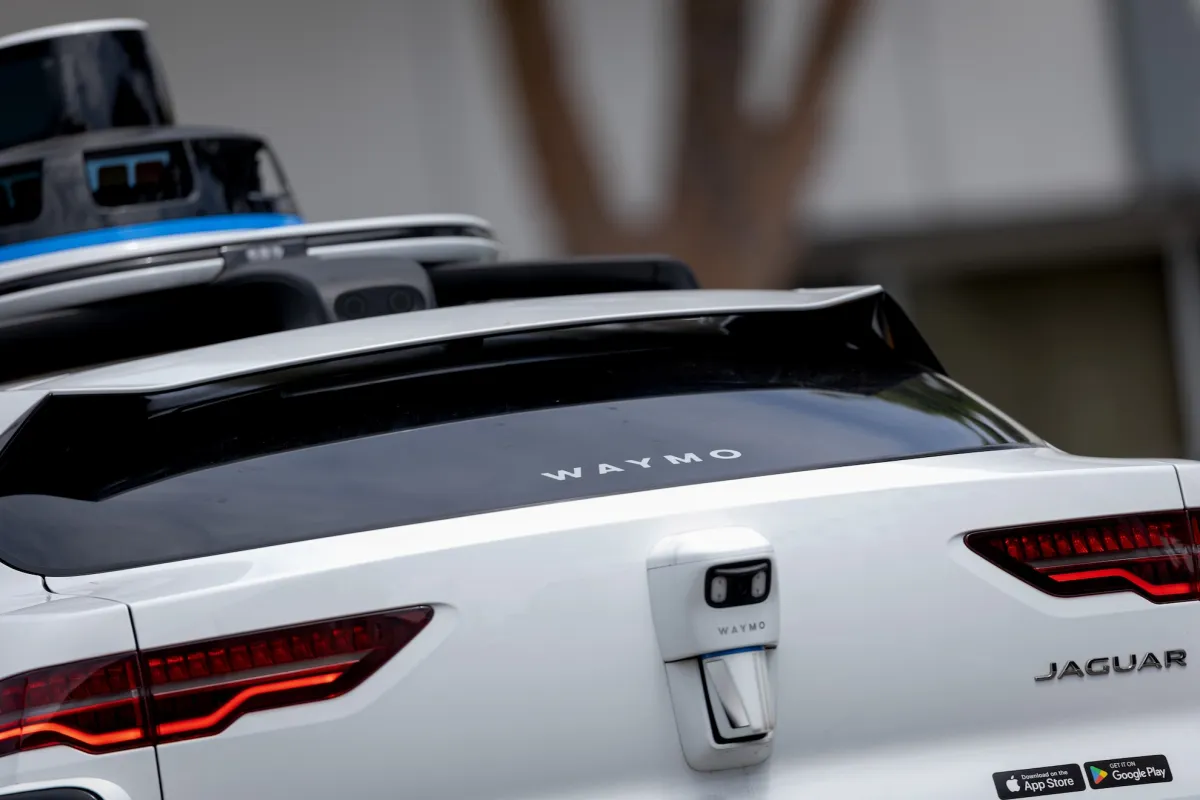
In other autonomous news, a brief but notable legal skirmish involvingWaymoconcluded amicably. A San Francisco doctor who had sued the Alphabet-owned autonomous vehicle company, alleging its identity-verification system erroneously flagged him as a terrorist, dropped his lawsuit. The resolution came after Waymo successfully addressed the underlying issue. This incident underscores the critical importance of robust and accurate identity verification systems, particularly as autonomous services like robotaxis become more prevalent. It also highlights the potential for algorithmic bias or error, and the need for companies to quickly and transparently resolve such issues to maintain public trust in emerging technologies.
Legacy Reimagined: Stellantis’ Bold Turnaround
Traditional automotive manufacturers are not standing still in the face of EV disruption and autonomous innovation.Stellantis, the multinational automotive giant formed from the merger of Fiat Chrysler Automobiles and PSA Group, recently unveiled its ambitious $70 billion turnaround plan, dubbed “Dare Forward 2030.” This comprehensive strategy aims to aggressively pivot the company towards electrification, software-defined vehicles, and a more sustainable future. A significant portion of this investment is earmarked for North America, with plans to introduce 11 new models. Perhaps one of the most surprising, yet intriguing, elements of this announcement is the revitalized focus on theChryslerbrand. For years, Chrysler has been a shadow of its former self, with a limited product lineup. The commitment to new Chrysler models signals a potential renaissance for the iconic American marque, suggesting it could play a crucial role in Stellantis’s North American electrification strategy, perhaps focusing on premium EV offerings or innovative mobility solutions. This move reflects a broader trend among legacy automakers to leverage their heritage while simultaneously embracing the future.
One more thing … The Nissan Leaf’s Quiet Evolution

The automotive landscape is constantly evolving, and sometimes, the most significant changes happen subtly. Such is the case with theNissan Leaf, a pioneering electric vehicle that has quietly undergone a remarkable transformation. My last encounter with a Leaf two years ago, a 2024 Nissan Leaf SV Plus priced at $37,815 (including destination), left me with a “mixed bag” impression. While it offered reliable EV transport, it lacked some of the modern tech amenities and refinement expected at its price point.
Fast forward to today, and a recent test drive of the2026 Nissan Leaf Platinum+, priced at $42,635 (including destination charges and special add-ons like two-tone paint and the floor mat package), revealed a vehicle that has truly matured. This third-generation Leaf isn’t just an incremental update; it’s a significant leap forward in nearly every measurable aspect. The most immediately noticeable improvement was the EPA estimated range, now a robust 259 miles for this trim, with other versions pushing comfortably above 300 miles. This extended range addresses one of the primary concerns for early EV adopters and brings the Leaf squarely into contention with many contemporary electric offerings.
Beyond the enhanced range, the 2026 Leaf Platinum+ presented a strikingly different interior experience. Gone were some of the utilitarian elements of its predecessors, replaced by a lighter, more modern, and dare I say, upscale cabin. While “sleek” might still be a stretch for some, the design felt cohesive, inviting, and notably premium for the segment. The attention to detail was evident, from the ambient lighting that subtly illuminates the cabin at night to the thoughtful integration of technology. My top-trim version boasted a host of desirable features, including a wireless phone-charging pad, a dimming panoramic roof that adds a sense of spaciousness, a practical heads-up display, and a long, curved 14.3-inch central screen that serves as the command center for infotainment and vehicle settings.
Crucially, Nissan has addressed the technology shortcomings I previously highlighted. Where I once lamented the absence of high-resolution backup cameras and other standard features in a vehicle priced above $30,000, the 2026 Leaf Platinum+ now comes standard with several crucial improvements. These include a comprehensive 360-degree camera system, seamless wireless Apple CarPlay or Android Auto integration, and advanced adaptive cruise control. These additions aren’t just luxuries; they are essential features that elevate the driving experience, enhance safety, and bring the Leaf fully into the modern era of automotive technology. Getting back into the Nissan Leaf this time was a genuinely satisfying experience, signaling that this venerable EV pioneer has successfully reinvented itself for the next generation of electric drivers.
Got a tip for us? Email Kirsten Korosec atkirsten.korosec@techcrunch.comor my Signal at kkorosec.07, or email Sean O’Kane atsean.okane@techcrunch.com.
When you purchase through links in our articles, we may earn a small commission. This doesn’t affect our editorial independence.
Bottom Line
The latest developments in the automotive tech sector paint a picture of an industry undergoing profound transformation. From the rapid deployment of autonomous systems in logistics and the complex regulatory dance of advanced driver-assistance software, to the strategic reinvention of legacy automakers and the quiet but significant evolution of electric vehicle pioneers like the Nissan Leaf, the driving experience of tomorrow is being shaped today. Innovation isn’t just about groundbreaking new concepts; it’s also about refinement, accessibility, and the diligent integration of technology that genuinely enhances our mobility, pushing us steadily towards a smarter, more connected, and increasingly electric future on our roads.
Source:{feed_title}