
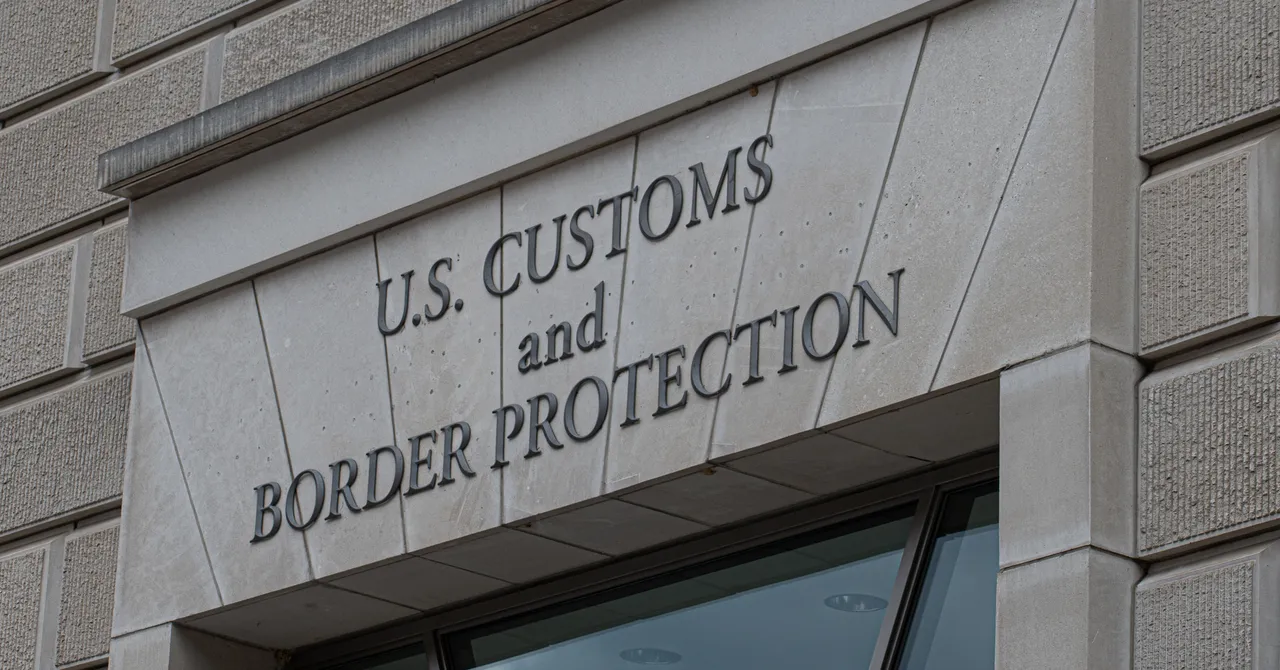
An individual onQuizlet, a web-based educational service, generated a publicly accessible flashcard collection in February. This compilation appears to have divulged extremely sensitive details concerning security protocols within US Customs and Border Protection sites situated near Kingsville, Texas.
The Quizlet compilation, christened “USBP Review,” remained publicly accessible until March 20. It was then rendered private within thirty minutes of WIRED contacting a phone number potentially associated with the Quizlet account holder. Despite an individual bearing the user’s name being recorded at an apartment address under a mile from a Kingsville CBP establishment, WIRED has been unable to confirm if the flashcard collection was indeed produced by a currently serving CBP officer or independent contractor.
“This event is currently under scrutiny by CBP’s Office of Professional Responsibility,” a CBP spokesperson conveyed in a declaration to WIRED. “We will not preempt the findings of this review. An examination should not be interpreted as an admission of culpability.”
Neither the Department of Homeland Security nor Immigration and Customs Enforcement provided a response to an inquiry for comment.
Should the Quizlet set have been crafted by a person connected with CBP, it signifies a significant security lapse for an agency established to “protect the American homeland.”
The publicly available Quizlet set included information about purported access codes for specific facility entry points. “Code for checkpoint doors?” inquired one card, listing a particular four-digit sequence as the answer. Another query sought the code for a specific gate at the facility, again providing an exact combination as the reply. Two other gate codes were described similarly, but WIRED is refraining from using these gate designations, as their confidential nature remains uncertain.
A different series of cards outlined certain immigration infractions and associated federal penalties: improper use of a passport, deception or misuse of a visa, and evading a checkpoint. Cards pertaining to voluntary repatriation to nations outside the US, expedited removal, and warrants of removal detailed required forms and then provided a reminder about a checklist on something called an “agents Resources Page” to guarantee “precision in all the above.”
“We handle reports of delicate or inappropriate content with gravity and act promptly when such material is found to breach our guidelines,” a Quizlet spokesperson communicated in a statement. “We urge anyone who encounters concerning content to flag it directly from the flashcard set, class, or profile page, or to reach out to us so we can assess and implement suitable measures.”
Further cards provided intricate specifics regarding the Kingsville workforce’s 1,932-square-mile zone of responsibility, encompassing the six county boundaries, and the agency’s internal grid and sector organizational framework. One grid “is nonexistent,” a card observed, owing to the configuration of local motorways.
Another card identified the 11 CBP “observation towers” within the vicinity. (Some tower designations align with the gates and codes that WIRED is withholding due to their potential classified nature.) The card specified the abbreviated names of two towers and the shared area of oversight for a third tower.
The final card elaborated on an apparent internal system, “E3 BEST,” which enables officers to “document, investigate, and rule on secondary referrals at USBP checkpoints” by allowing them to “search subjects and vehicles concurrently through multiple law enforcement databases and generate e3 Events for referrals culminating in an apprehension.”
This potential disclosure of sensitive data occurs amidst a rapid recruitment drive at CBP, with up to $60,000 in incentives for attracting and retaining new agents. ICE is also actively seeking to swiftly enlist personnel, with its strategy offering a $50,000 signing bonus and up to $60,000 in student loan reimbursement.
{content}
Source:{feed_title}