
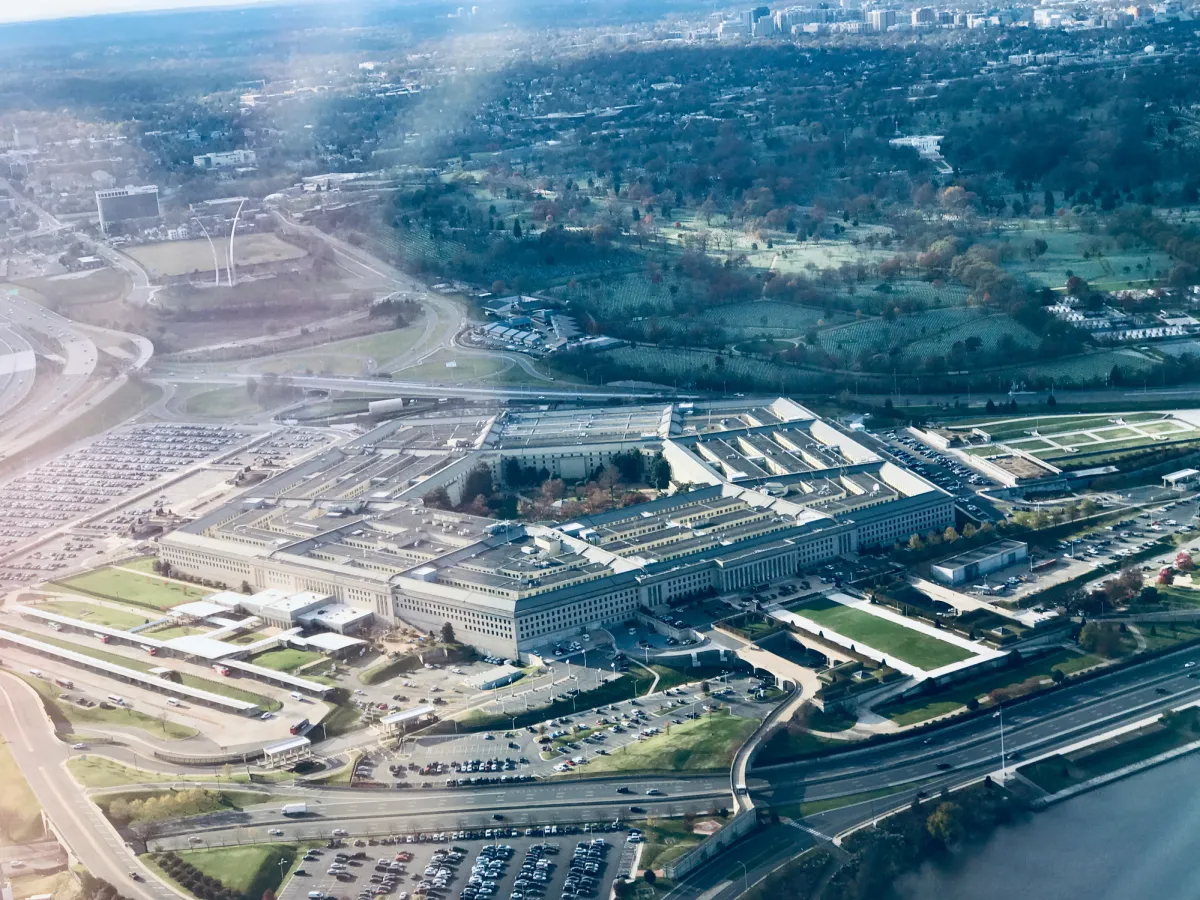
The U.S. Defense Department has announced new partnerships with tech giants Nvidia, Microsoft, Amazon Web Services, and Reflection AI to deploy their advanced AI technologies on highly classified military networks. This move, following earlier agreements with Google, SpaceX, and OpenAI, signifies a major acceleration in the Pentagon’s strategy to become an “AI-first fighting force” and bolster national security. The initiative aims to enhance decision superiority across all domains of warfare, leveraging AI for data synthesis, situational awareness, and augmented warfighter decision-making, while also emphasizing vendor diversification to prevent lock-in.
Pentagon Forges New AI Alliances with Nvidia, Microsoft, AWS for Classified Operations
Key Takeaways:
- Expanded AI Partnerships:The U.S. Department of Defense (DOD) has secured new deals with Nvidia, Microsoft, Amazon Web Services, and Reflection AI, adding to existing agreements with Google, SpaceX, and OpenAI, to deploy cutting-edge AI on classified networks.
- “AI-First” Military Transformation:This strategic push aims to transform the U.S. military into an “AI-first fighting force,” enhancing warfighter decision superiority by utilizing advanced AI for data synthesis, situational understanding, and operational support in highly secure environments (IL6 and IL7).
- Strategic Vendor Diversification:The Pentagon is actively pursuing a multi-vendor strategy to avoid “AI vendor lock-in” and ensure long-term flexibility, a lesson underscored by its ongoing legal dispute with Anthropic over AI usage terms.
In a significant stride towards modernizing its operational capabilities, the U.S. Defense Department revealed on Friday a series of pivotal agreements with leading technology firms Nvidia, Microsoft, Amazon Web Services (AWS), and Reflection AI. These partnerships are designed to integrate their sophisticated AI technologies and models directly into the Pentagon’s classified networks, earmarked for “lawful operational use.” This announcement builds upon earlier collaborations with industry titans such as Google, SpaceX, and OpenAI, underscoring a concentrated effort to infuse artificial intelligence into the core of American defense strategy.
The implications of these deals are profound, as articulated in the DOD’s official statement: “These agreements accelerate the transformation toward establishing the United States military as an an AI-first fighting force and will strengthen our warfighters’ ability to maintain decision superiority across all domains of warfare.” This declaration signals a clear intent to leverage AI not just as a supplementary tool, but as a foundational element shaping the future of military operations, from intelligence gathering to battlefield execution.
Forging a Diverse AI Ecosystem for Defense
The selection of these specific companies is highly strategic. Nvidia, renowned for its graphics processing units (GPUs), is crucial for high-performance computing necessary for training and deploying complex AI models. Microsoft and AWS bring their extensive cloud infrastructure, secure computing environments, and a suite of AI services, including large language models (LLMs) and machine learning platforms. Reflection AI, while perhaps lesser-known than its counterparts, likely offers specialized AI applications tailored to defense needs, indicating the Pentagon’s interest in both broad-spectrum and niche solutions.
This push for diversification in AI vendors is not arbitrary. It comes in the wake of a contentious dispute between the U.S. Department of Defense and AI lab Anthropic. The Pentagon sought unrestricted use of Anthropic’s AI tools for its operations, a request that clashed with Anthropic’s insistence on embedding guardrails. These guardrails were designed to prevent the company’s technology from being used in ways it deemed unethical, specifically for domestic mass surveillance and the development of autonomous weapons. The legal battle between the two entities is ongoing, with Anthropic having successfully secured an injunction in March against the Pentagon’s attempt to label it a “supply-chain risk.”
“The Department will continue to build an architecture that prevents AI vendor lock-in and ensures long-term flexibility for the Joint Force,” the DOD statement affirmed. This commitment highlights a strategic imperative to avoid over-reliance on any single provider, fostering a robust and adaptable technological backbone. Access to a “diverse suite of AI capabilities from across the resilient American technology stack” is positioned as essential to equip warfighters with the necessary tools to “act with confidence and safeguard the nation against any threat.”
Deploying AI on the Highest Security Tiers
A critical aspect of these new agreements is the deployment of AI hardware and models within Impact Level 6 (IL6) and Impact Level 7 (IL7) environments. These classifications represent the highest levels of security for data and information systems within the U.S. government, signifying that the information processed is deemed critical to national security. Systems operating at IL6 typically handle classified information up to “Secret,” while IL7 is reserved for “Top Secret” and other highly sensitive data. Such environments demand rigorous physical protection, stringent access controls, comprehensive audit trails, and advanced cryptographic measures to prevent unauthorized access or compromise.
The integration of AI into these highly secure environments is intended to “streamline data synthesis, elevate situational understanding, and augment warfighter decision-making.” In practical terms, this means AI will be used to rapidly process vast quantities of intelligence data from disparate sources, identify patterns and anomalies that human analysts might miss, and provide real-time insights to commanders. This accelerated data-to-decision cycle is crucial in modern warfare, where information advantage can dictate the outcome of engagements across land, air, sea, space, and cyberspace domains.
The Path to an “AI-First” Future
The Pentagon’s vision of an “AI-first” fighting force represents a profound shift in military doctrine and operational strategy. It envisions a future where AI isn’t just an auxiliary tool but is deeply embedded in every layer of defense—from predictive maintenance of equipment and optimizing logistical supply chains to enhancing intelligence analysis, cyber defense, and even autonomous or semi-autonomous systems operating under human oversight. The goal of “decision superiority” implies not just making faster decisions, but making better, more informed, and more adaptive decisions than adversaries.
Currently, the DOD has already made strides in broader AI adoption. More than 1.3 million DOD personnel are utilizing its secure enterprise platform for generative AI, GenAI.mil. This platform provides access to large language models and other AI tools within government-approved cloud environments. While GenAI.mil is primarily designed for non-classified tasks such as research, document drafting, and data analysis, its widespread adoption lays the groundwork for more advanced AI deployments. The transition from general administrative use to deployment on IL6 and IL7 networks marks a critical escalation in the scope and sensitivity of AI applications within the military.
Techcrunch event
San Francisco, CA
|
October 13-15, 2026
Bottom Line
The Pentagon’s expanded partnerships with leading AI firms signify a definitive step in integrating advanced artificial intelligence into the critical infrastructure of U.S. national security. By deploying AI on highly classified networks and pursuing a strategy of vendor diversification, the Defense Department is not merely adopting new technology; it is strategically reshaping its capabilities to maintain a decisive edge in an increasingly complex global landscape. While ethical considerations and the challenges of secure implementation will undoubtedly continue to evolve, these agreements firmly establish AI as an indispensable, transformative force at the heart of America’s defense posture, promising a future where data-driven insights empower warfighters like never before.
When you purchase through links in our articles, we may earn a small commission. This doesn’t affect our editorial independence.
Source:{feed_title}