
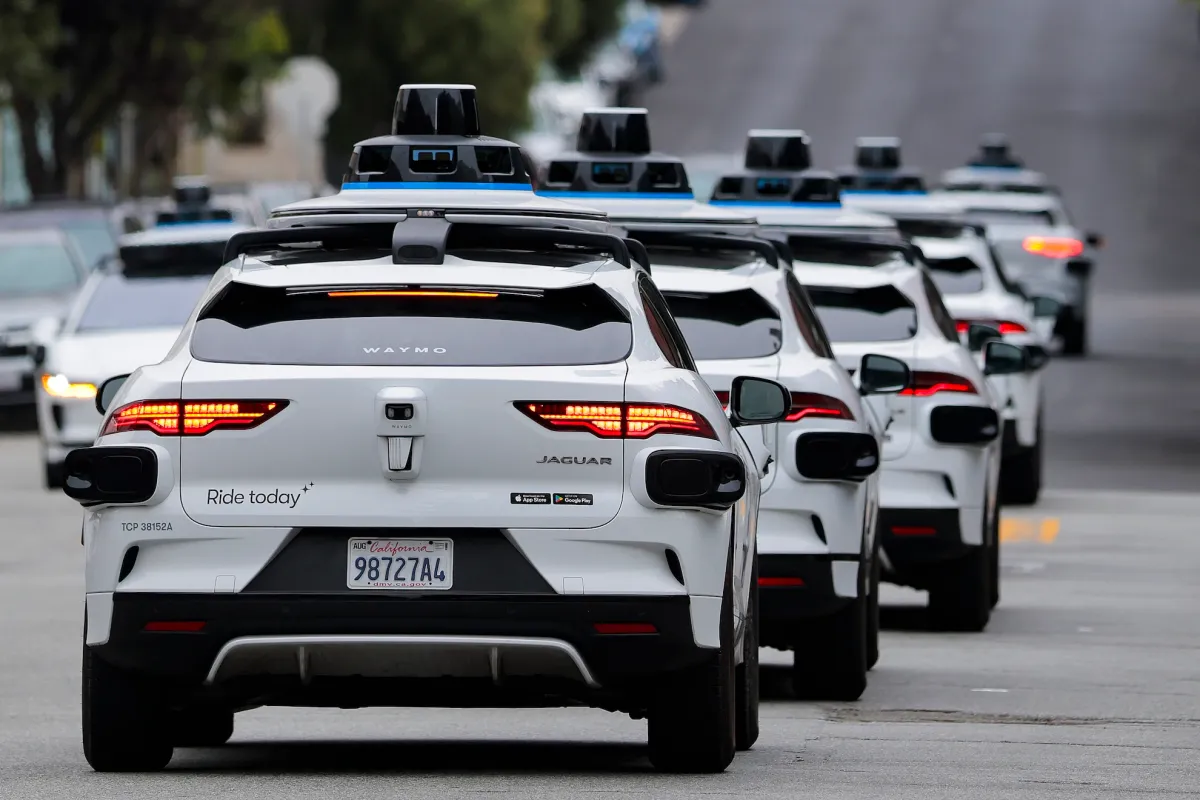
Waymo’s San Francisco robotaxi service experienced a temporary pause and route adjustments due to a city-wide power outage affecting approximately 7,000 PG&E customers. While service quickly resumed, the incident underscores the inherent vulnerabilities of autonomous vehicles (AVs) to critical infrastructure failures. This latest disruption has reignited calls from city officials, including San Francisco Mayor Daniel Lurie, for more robust state regulations governing how AVs operate during emergencies and unplanned events, highlighting a growing tension between technological advancement and urban resilience.
Key Takeaways:
- Temporary Service Interruption:Waymo’s robotaxi service in San Francisco was briefly paused and adjusted due to a power outage, impacting freeway routes and highlighting AVs’ reliance on stable infrastructure.
- Recurring Vulnerability:This incident is not isolated, following previous Waymo disruptions during blackouts and public events, revealing a consistent challenge for autonomous systems in unpredictable urban environments.
- Increased Regulatory Pressure:San Francisco Mayor Daniel Lurie has escalated calls for stricter state-level regulations to ensure AVs can safely and predictably navigate major incidents, underscoring public safety and operational reliability concerns.
Waymo’s Robotaxis Hit By SF Power Outage, Service Restores Amidst Regulatory Push
San Francisco’s streets, a dynamic testing ground for autonomous vehicle technology, once again showcased the intricate dance between cutting-edge innovation and the unpredictable realities of urban infrastructure. Waymo, Alphabet’s self-driving subsidiary, found its robotaxi service temporarily disrupted this week when a power outage swept through portions of the city, affecting an estimated 7,000 PG&E customers. The incident, though brief, served as a potent reminder of the inherent vulnerabilities of even the most advanced autonomous systems to real-world operational challenges.
The Incident Unfolds: A Pause for Assessment
Reports from social media quickly surfaced, with screenshots indicating Waymo informing its San Francisco customers of a “temporarily paused” service and “freeway routes unavailable.” The notification pointed directly to local conditions as the cause, hinting at a broader environmental factor rather than an internal system failure.
When TechCrunch initially sought clarification, a Waymo spokesperson confirmed the adjustments: “We are making temporary adjustments to our service while we monitor local conditions. We know riders depend on us, and we will return to normal operations as soon as possible.” This statement emphasized Waymo’s immediate focus on assessing the situation and ensuring service reliability for its users.
A subsequent update from Waymo elaborated on their response, stating the company “decided to pause service for approx. one hour to assess the scale of the power outage affecting a large portion of San Francisco and coordinate with local officials.” This proactive decision, while impacting user convenience, highlights a cautious approach to operating complex machinery in a rapidly changing and potentially compromised environment. The swift resumption of service indicates a rapid evaluation and mitigation strategy, though the underlying issues that led to the pause remain a critical point of discussion.
Why It Matters: AV Vulnerability and Infrastructure Dependence
The San Francisco power outage, while a relatively common occurrence in any major city, exposes a critical fault line in the rollout of autonomous vehicle technology. Unlike human-driven vehicles, which can often navigate power disruptions through instinct, experience, and visual cues, AVs rely heavily on a complex ecosystem of real-time data, reliable connectivity, and functional infrastructure.
A power outage can compromise several vital components of an AV’s operational framework:
* **Sensor Performance:** While AVs boast sophisticated sensor suites (Lidar, radar, cameras), low-light conditions or complete darkness, especially without functioning streetlights, can degrade camera performance and challenge object detection algorithms.
* **GPS and Mapping:** While AVs have redundant localization systems, widespread infrastructure failures could potentially impact GPS accuracy or the ability to update real-time maps.
* **Remote Assistance:** Many AV operations include a human remote assistance component for edge cases. A power outage could affect communication channels between the vehicle and its human support staff.
* **Charging Infrastructure:** For electric robotaxis, a power outage directly impacts the ability to recharge, potentially stranding vehicles or reducing their operational range once service resumes.
* **Traffic Signals:** The most immediate impact of a power outage on city streets is the failure of traffic signals, converting intersections into uncontrolled four-way stops. While AVs are programmed to handle such scenarios, widespread signal failures can create bottlenecks and increase the risk of confusion, especially when interacting with human drivers and pedestrians.
These interdependencies mean that an AV fleet’s resilience is intrinsically linked to the resilience of the urban infrastructure it operates within.
A Pattern Emerges: Past Incidents and Growing Concerns
This is not Waymo’s first dance with power-related disruptions in San Francisco. The company has faced similar challenges in the past, leading to public safety and operational concerns. In December, a power blackout reportedly caused a number of Waymo vehicles to stall on city streets, leading to temporary traffic impediments. Earlier, a similar incident during a Fourth of July fireworks show near the Golden Gate Bridge reportedly paralyzed traffic, as Waymo vehicles struggled to navigate the chaotic, unplanned circumstances.
These repeated occurrences paint a picture of an emergent vulnerability for the nascent robotaxi industry. Each incident, while perhaps minor in isolation, chips away at public confidence and highlights the need for robust contingency plans that go beyond ideal operating conditions. The challenge for AV developers isn’t just about perfecting the self-driving software, but also about integrating these systems seamlessly and safely into the messy, unpredictable fabric of urban life.
Regulatory Scrutiny Intensifies: Calls for Tougher Oversight
The accumulating incidents have not gone unnoticed by local officials. San Francisco Mayor Daniel Lurie has been a vocal proponent for more stringent oversight, explicitly calling for tougher state regulations to “adequately address how autonomous vehicles operate during major incidents, planned or not.”
Mayor Lurie’s concerns reflect a broader sentiment among city leaders who feel that current state-level regulations, particularly those from the California Public Utilities Commission (CPUC), do not sufficiently empower local jurisdictions to manage AV deployments. The CPUC has largely overseen the expansion of robotaxi services, often overriding local objections regarding safety and operational impact. City officials argue that while AVs offer potential benefits, their deployment must not compromise public safety, emergency response capabilities, or the overall functionality of urban infrastructure, especially during unforeseen crises.
The push for tougher regulations aims to establish clearer protocols for AV behavior during power outages, natural disasters, mass gatherings, and other emergencies. This could include requirements for AVs to safely pull over, communicate their status effectively, or even cede control or halt operations entirely under certain conditions, without causing further disruption or hindering emergency services.
The Bottom Line
The recent Waymo service pause in San Francisco, triggered by a power outage, serves as a stark reminder that even the most advanced autonomous systems are not immune to the fundamental vulnerabilities of urban infrastructure. As robotaxi services continue to expand into complex metropolitan environments, the industry faces the dual challenge of perfecting its technology while simultaneously building resilience against the unpredictable realities of city living. The intensifying calls for stricter regulation from city leaders like Mayor Lurie underscore a critical need for collaborative solutions that prioritize public safety and operational reliability. For autonomous vehicles to truly revolutionize urban mobility, they must not only drive flawlessly but also navigate gracefully through the inevitable disruptions that define modern cities, proving their robustness not just in ideal conditions, but in every conceivable scenario.
{content}
Source:{feed_title}