

FOX Business anchors discuss products they believe are widely overpriced. Answers include bottled water, Dyson hair dryers, luxury handbags, and McDonald’s value meals, sparking a lively debate about quality versus cost among the panel.
Key Takeaways:
- Supply Chain Vulnerability & Discount Retailers:The recall highlights the inherent risks in complex global supply chains, particularly for discount retailers like Dollarama that prioritize value, potentially exposing them to third-party quality control failures and reputational damage.
- Erosion of Consumer Trust & Brand Value:Food safety incidents, even seemingly minor ones, can significantly erode consumer confidence in both the affected product line and the retailer’s broader brand promise, impacting future sales and brand loyalty in a competitive market.
- Mounting Regulatory & Operational Costs:Beyond immediate recall logistics, companies face potential financial repercussions including investigative costs, public relations expenses, stock adjustments, and the longer-term imperative to invest in more robust quality assurance, impacting profitability margins.
MARKET ALERT: Discount Retailers Face Scrutiny as Food Safety Concerns Mount Amidst Dollarama Garlic Powder Recall
A recent product recall involving popular garlic powder sold across Canada’s Dollarama stores has sent a ripple through the discount retail sector, underscoring critical vulnerabilities in global food supply chains and raising pertinent questions about quality control at the value end of the market. The Canadian Food Inspection Agency (CFIA) issued a recall for “Heavenly Spices” garlic powder, citing potential contamination withBacillus cereus, a bacterium capable of causing unpleasant, albeit typically short-lived, gastrointestinal distress. While the immediate health risk is classified as moderate, the broader market implications for Dollarama, and indeed the entire retail landscape, warrant closer examination from a financial journalist’s perspective.
This incident is more than just a public health announcement; it’s a business risk event that touches upon brand reputation, consumer confidence, operational efficiency, and the financial health of a prominent Canadian retailer. Dollarama, known for its extensive network of discount stores offering everyday essentials at competitive price points, operates on a high-volume, low-margin business model. A key component of this strategy involves sourcing a diverse array of products, often from third-party manufacturers and international suppliers, which inherently introduces complexities and potential weak points in its quality assurance framework. The constant pressure to keep costs down can, at times, inadvertently lead to a less rigorous oversight of supplier standards, a risk that this recall brings into sharp focus.
The “Heavenly Spices” garlic powder, a 70-gram container product sold nationwide, represents a segment where consumers expect basic reliability and safety, even at a discount. The presence ofBacillus cereus, while not typically life-threatening, can lead to symptoms such as nausea, vomiting, abdominal cramps, and watery diarrhea. The CFIA’s Class 2 classification, indicating a moderate risk, suggests that while acute danger is limited, the potential for widespread consumer discomfort and subsequent erosion of trust is significant. For a retailer whose primary allure is “value,” any perception of compromised quality, particularly in food items, can deter cost-conscious consumers who are already making critical trade-offs in their purchasing decisions, potentially driving them to competitors perceived as safer, even if slightly more expensive.
The Canadian Food Inspection Agency recalled Heavenly Spices garlic powder sold at Dollarama stores nationwide due to potential bacterial contamination.(Andrej Ivanov/Bloomberg via Getty Images / Getty Images)
Dollarama’s swift response, advising customers to discard the product and offering a modest $2.00 e-gift card as replacement, is an immediate damage control measure designed to mitigate public backlash and preserve customer loyalty. However, the financial repercussions extend beyond this nominal compensation. The comprehensive costs associated with a product recall are multi-faceted: they include the direct expenses of inventory retrieval and disposal, significant logistical overheads for reverse supply chain management, extensive public relations management to restore confidence, potential legal liabilities from affected consumers, and the intangible yet significant cost of reputational damage. While a single product recall of this magnitude may not directly impact Dollarama’s stock price significantly on its own, a series of such incidents, or a more severe event, could prompt deeper investor concern over its supply chain governance, risk management protocols, and the adequacy of its quality control expenditures.
The broader market context reveals a food industry increasingly grappling with safety challenges across all segments. This Dollarama recall follows closely on the heels of other high-profile incidents, such as General Mills pulling over 735,000 packages of Pillsbury bread products due to possible glass contamination, and fresh produce supplier Taylor Farms preparing for a recall linked to a multistate Cyclospora outbreak. These events collectively paint a sobering picture of an intricate, often vulnerable, global food supply chain where maintaining stringent quality controls from farm to processing plant to retail shelf is an escalating and resource-intensive challenge for manufacturers and retailers alike.
For discount retailers, the balancing act between aggressive cost-efficiency and uncompromising product safety is particularly delicate. Consumers frequent Dollarama for its affordability, but this value proposition is severely undermined if it comes at the expense of safety. In an inflationary environment where consumers are already actively seeking more economical options, trust becomes an even more precious commodity. A perception of lax quality control in “value” brands could lead consumers to question the overall reliability of such products, potentially shifting spending patterns towards more established, albeit pricier, brands perceived as safer. This could impact Dollarama’s market share and growth trajectory.
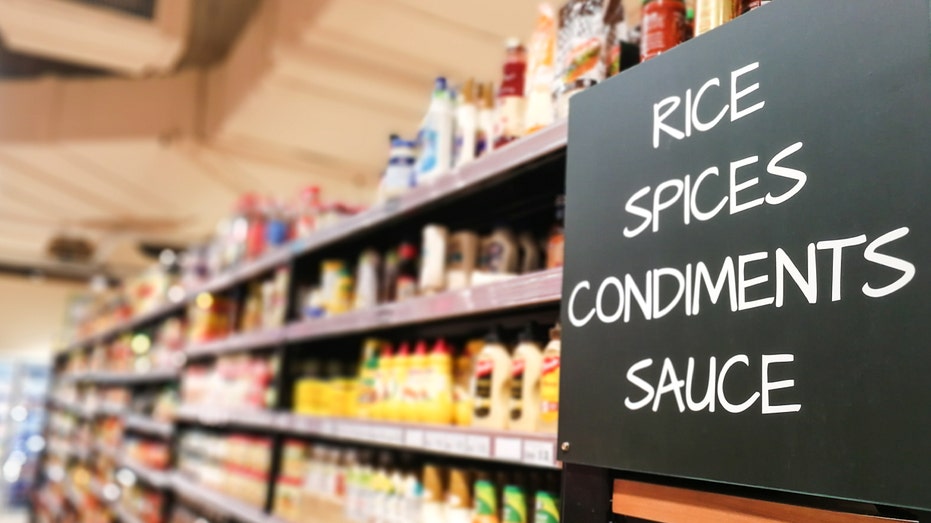
The Canadian Food Inspection Agency recalled Heavenly Spices garlic powder sold at Dollarama stores over concerns it may be contaminated with Bacillus cereus.(iStock)
Regulatory bodies like the CFIA are under increasing pressure to ensure food safety, and their proactive actions serve as a stark reminder to companies of their profound responsibilities. The due diligence required to prevent such contaminations involves rigorous supplier audits, robust and continuous testing protocols, and clear, end-to-end traceability systems. Investments in these areas, while undoubtedly adding to operational costs and potentially squeezing already thin margins, are increasingly becoming non-negotiable expenditures for maintaining market credibility, fostering consumer loyalty, and mitigating the risk of catastrophic financial and reputational losses.
The ubiquity ofBacillus cereusin various food products, especially those improperly handled or stored, highlights a systemic challenge within the wider food processing industry. While the bacterium itself is common, its unexpected presence in a shelf-stable spice product suggests a potential issue at a critical point of processing, packaging, or storage within the supply chain. This points to the need for deeper investigations into the manufacturing processes of “Heavenly Spices” and its immediate suppliers, which could uncover broader systemic issues requiring significant capital expenditure to rectify and prevent future recurrences, impacting long-term profitability and operational stability.
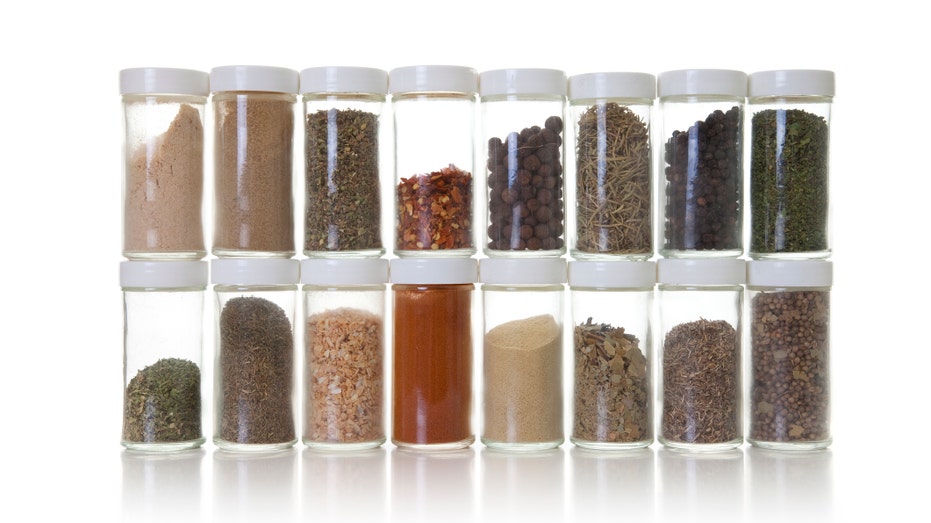
Heavenly Spices garlic powder is being recalled after Canadian health officials warned the product may be contaminated with Bacillus cereus, a bacterium that can cause foodborne illness.
Market Impact:
The Dollarama garlic powder recall, while seemingly an isolated incident, serves as a potent reminder of the pervasive supply chain risks impacting the entire retail food sector. For Dollarama, this incident poses a direct, albeit likely minor, financial hit through immediate recall costs and customer compensation. More critically, it subtly chips away at the brand’s hard-earned consumer trust, particularly concerning private label or third-party value brands, which could subtly shift purchasing habits in a highly competitive and inflation-sensitive market. Across the broader food industry, this event, coupled with other recent high-profile recalls, reinforces the escalating operational and regulatory burden associated with maintaining stringent food safety standards. Investors and consumers alike are increasingly scrutinizing corporate governance around supply chain integrity, suggesting that companies failing to prioritize robust quality control face not only immediate financial penalties but also a longer-term erosion of market share and shareholder value, demanding increased investment in risk mitigation strategies.