
Within the U.S., discussions surrounding premier camera-equipped mobile phones primarily focus on iPhones, the Samsung Galaxy range, and, more recently, the Google Pixel. Conversely, individuals in various parts of Asia and Europe enjoy a broader selection of alternatives, with brands like Xiaomi, Oppo, and Vivo significantly enhancing their photographic capabilities.
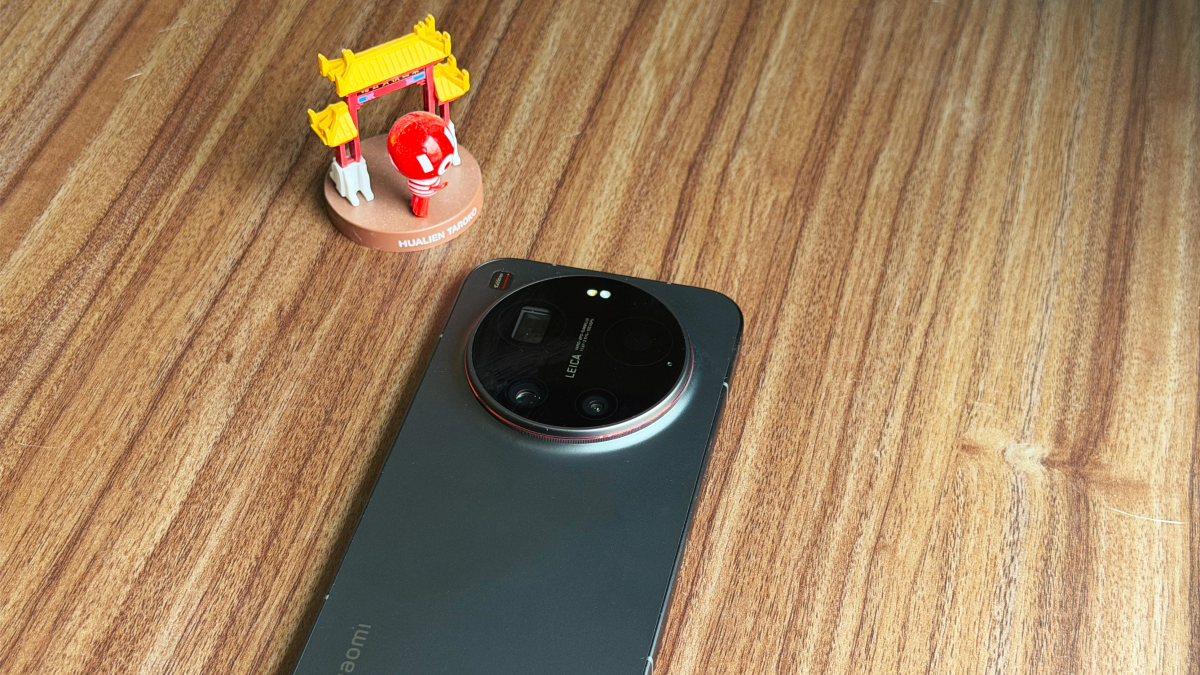
The Xiaomi 17 Ultra, which recently underwent its worldwide unveiling, stands as one such gadget. It features a prominent camera protrusion housing a diverse array of sensors, coupled with a collaboration with the acclaimed German camera manufacturer, Leica, to implement software-level modifications and stylistic elements for capturing scenes.
This camera offers a plethora of choices, encompassing various focal lengths on the physical hardware side, alongside numerous filters and settings to modify the ultimate appearance of the image.
Xiaomi has also introduced supplementary clip-on attachments that adhere to the camera like a protective cover, in addition to a USB-connected peripheral that provides physical buttons for recording videos or taking pictures. Although these enhancements do not substantially augment the feature set, they facilitate easier one-handed operation of the camera.
Beyond its camera, Xiaomi has equipped its phone with top-tier components, positioning it to contend with the year’s leading smartphones. While I will delve into the camera’s specifics later, let me first outline the remaining hardware specifications.
Components
The Xiaomi 17 Ultra incorporates Qualcomm’s most recent Snapdragon 8 Gen 5 processors, anticipated to be the preferred choice for this year’s flagship devices. Upfront, it boasts a 6.9-inch AMOLED display, offering a resolution of 1200 x 2608 pixels and a 120Hz refresh rate.
The display exhibits considerable brilliance, reaching a maximum luminosity of 3,500 nits. This characteristic proves advantageous for operating the phone in brightly lit environments and also contributes to an excellent video viewing experience.
Techcrunch happening
San Francisco, CA
|
October 13-15, 2026
The 6,000 mAh power cell is arguably one of the most favorable results stemming from the Silicon/Carbon-Ion technology employed by Xiaomi. Given its considerable capacity, it can sustain the device for several days of moderate to light usage, and also boasts commendable standby duration. Despite the battery’s substantial dimensions, the phone remains lighter than the iPhone Pro Max, marking another triumph for the company’s engineering division.
The handset supports 90W of wired power replenishment, and users can utilize the charging unit supplied by Xiaomi or any PD (Power Delivery) 3.0 or PPS (Programmable Power Supply)-based charger. It also facilitates 50W charging with Xiaomi’s proprietary charger.
The Xiaomi 17 Ultra comes equipped with 16GB of RAM and offers two storage capacities: 512GB and 1TB.
Imaging System
For its primary imaging unit, Xiaomi employs a 1-inch type 50-megapixel sensor with an f/1.67 aperture, engineered to capture more illumination. This camera produces sharp and vibrant photographs while maintaining accurate white balance. The sensor adeptly captures intricacies across varying illumination conditions. Similar to the iPhone Pro Max, the main camera permits switching to 23mm, 28mm, and 35mm equivalent field-of-views.
The device incorporates a rather distinctive 200-megapixel telephoto optic. Instead of providing discrete optical zoom increments such as 2x and 4x, it features a continuous optical magnification range from 3.2x to 4.3x. While this might not appear extensive at first glance, it proves exceptionally practical when photographing animals or precisely composing specific subjects within a frame. A notable constraint is that within the camera’s user interface, one can readily access 75mm, 85mm, 90mm, and 100mm focal lengths. However, to reach other focal lengths between 75mm and 100mm, it is necessary to press and hold the zoom control and manipulate the dialer.


The firm incorporates a 50-megapixel ultra-wide lens, featuring an f/2.2 aperture. This optic also proves beneficial for producing remarkably stunning close-up photographs. Predominantly, this photographic device proves adequate; however, in certain scenarios, it exhibits a slight reduction in sharpness when contrasted with the other two lenses. Furthermore, a 50-megapixel front-facing camera is present, but ensure all aesthetic filters are disabled.


The photographic controls are quite conventional, yet numerous possibilities exist for capturing a single subject’s image with varied aesthetics. By default, the photographic device adheres to a genuine Leica color palette, but a solitary press enables switching to Leica Vibrant. An available filter feature provides choices such as positive and negative film emulation; proprietary Leica filters including vivid, natural, black & white, speia, and blue; along with Xiaomi’s proprietary filters such as cinematic, monsoon, teal mist, and scarlet.
The enterprise offers two supplementary accessories named The 17 Ultra Photography Kit and The 17 Ultra Photography Kit Pro. The fundamental model functions as a protective casing and attaches instantaneously to the handset. Its connection to the phone is established via Bluetooth, it features a dual-action trigger button (for automatic focusing and image capture), and a dedicated button for video capture. The enclosure’s power cell is replenished via contact charging.

The Xiaomi 17 Ultra Photography Kit Pro includes a protective casing and an additional controller resembling a camera grip, which connects to the handset through a USB-C interface. Additionally, the Kit Pro incorporates a 2,000 mAh power cell to energize its functions. This grip facilitates effortless one-handed handling of the smartphone.
Positioned on the grip’s upper surface, a specialized shutter release and a video capture button are present. Furthermore, a versatile, assignable dial is available, capable of managing exposure levels, artistic filters, ISO sensitivity, shutter velocity, or white balance settings. This dial also serves the purpose of browsing your image gallery. Additionally, the Kit Pro features a ring attachment designed to accommodate compatible 67 mm photographic filters.
I habitually employed the Kit Pro while traversing urban environments, as it allowed me to effortlessly grasp the device single-handedly and capture images with a substantial array of photographic adjustments readily accessible. Moreover, operating an accessory reminiscent of a traditional camera enhanced the enjoyment of capturing still images and motion footage. The inclusion of a tactile zoom mechanism was particularly commendable.

When either kit is attached, a ‘fastshot’ software mode becomes operational within the camera application, offering readily available adjustments optimized for candid urban capture.
The Xiaomi 17 Ultra is poised to contend in the international marketplace against forthcoming gadgets, for example, the Vivo X300 Ultra, boasting a stylish photographic accessory suite encompassing a 2.35x telephoto expansion, and the Oppo Find X9. Nevertheless, due to the premature release of its smartphone, Xiaomi could capitalize on this impetus. Beyond its imaging capabilities, the device delivers substantial performance, provided one is amenable to a prominent camera module situated on its rear.
In Europe, the Xiaomi 17 Ultra commands an initial price of €1,499. The standard Photography Kit carries a cost of €99.99, while the Photography Kit Pro is available for €199.99.
{content}
Origin:{feed_title}