
Check out what’s clicking on FoxBusiness.com.
**Key Takeaways for Investors and Industry Observers:**
1. **Proactive Risk Mitigation vs. Passenger Experience Trade-off:** Southwest’s new policy underscores the airline industry’s escalating focus on safety protocols for lithium-ion batteries, a necessary move to mitigate fire risks but one that could temporarily impact passenger convenience and perception.
2. **Strategic Capital Allocation towards In-Seat Power:** The announcement coincides with Southwest’s significant capital expenditure commitment to roll out in-seat power across its entire fleet by mid-2027, signaling a long-term strategy to enhance the passenger experience while simultaneously addressing safety concerns and reducing reliance on portable chargers.
3. **Industry-Wide Trend with Competitive Implications:** As regulatory scrutiny intensifies (evidenced by rising FAA incident reports), other carriers are likely to follow suit, potentially standardizing safety measures across the industry and influencing how airlines differentiate themselves through amenities and operational efficiency.
—
**Southwest Airlines Tightens Portable Charger Policy Amid Mounting Lithium Battery Fire Concerns, Signaling Industry Shift**
Dallas-based Southwest Airlines (NYSE: LUV) is implementing a stricter policy on portable lithium-ion battery chargers, effective April 20, a move that highlights the airline industry’s growing proactive stance on onboard safety while balancing evolving passenger expectations and significant capital investment in cabin technology. This initiative, communicated internally to employees on Tuesday and reviewed by FOX Business, directly addresses the increasing concerns over lithium battery-related incidents on commercial flights, a trend closely monitored by federal regulators and insurers alike.
Under the new directive, passengers will be limited to carrying one lithium-powered portable charger per person, with each device capped at a capacity of 100 watt-hours or less. Crucially, these devices must now remain on the passenger’s person or be stored exclusively in a carry-on bag stowed under the seat. A significant departure from previous norms, portable chargers will no longer be permitted in overhead bins, a common storage location for many travelers.
Southwest is also banning the use of in-seat power outlets to recharge portable battery packs during flights. However, passengers may still use their chargers, as long as the devices remain visible at all times.
This refined policy extends to the use of in-seat power outlets, prohibiting their use for recharging portable battery packs during flights. While passengers may still utilize their portable chargers, the mandate that these devices remain visible at all times underscores a heightened emphasis on crew vigilance and immediate incident response capabilities. These changes, as outlined by Dave Hunt, Southwest’s vice president of safety and security, are primarily designed to “contain and mitigate lithium battery incidents,” thereby reducing the inherent risk of onboard fires. Such proactive measures, while potentially inconveniencing a segment of travelers, are increasingly seen by safety experts and investors as essential for long-term operational integrity and brand protection in a highly regulated industry.
“To ensure a smooth and informed customer journey, Southwest will notify customers about this updated policy at key moments leading up to their trip — including pre-trip and check-in, so they have time to plan and prepare,” Hunt stated in the internal message. This communication strategy is vital for managing customer expectations and minimizing disruption, particularly for business travelers and frequent flyers who rely heavily on personal electronic devices and portable power solutions.
SOUTHWEST CEO CALLS AIRPORT LOUNGES ‘HUGE’ BENEFIT FOR CUSTOMERS AS CARRIER EXPLORES EXPANSION: REPORT
A Southwest commercial airliner takes off from Las Vegas International Airport in Las Vegas, Nevada, on Feb. 8, 2024. (REUTERS/Mike Blake)
The timing of this stricter policy is particularly noteworthy, coinciding with Southwest’s broader strategic investment in passenger amenities. The airline noted that onboard power access will continue to expand, with a significant commitment to fleet-wide upgrades. “By mid-year 2027, our entire fleet will feature in-seat power, reducing reliance on portable chargers and supporting a more consistent, convenient inflight experience,” Hunt affirmed. This long-term capital expenditure plan, aimed at enhancing the passenger journey through greater connectivity, is a critical component of Southwest’s competitive strategy, especially as it seeks to attract and retain corporate travel accounts and leisure travelers who prioritize in-flight connectivity. The investment in in-seat power could mitigate the negative impact of the portable charger restrictions, positioning the airline for a more seamless future experience.
The airline similarly introduced changes last year requiring passengers to keep portable charging devices visible while in use during flights, a spokesperson told Fox News Digital at the time. “Using portable charging devices while stored in a bag or overhead bin will no longer be permitted,” the spokesperson said. This incremental tightening of policies indicates a gradual, measured response to evolving safety data and industry best practices.
WHERE GAS PRICES ARE RISING FASTEST AS TRUMP ISSUES FRESH WARNING TO IRAN
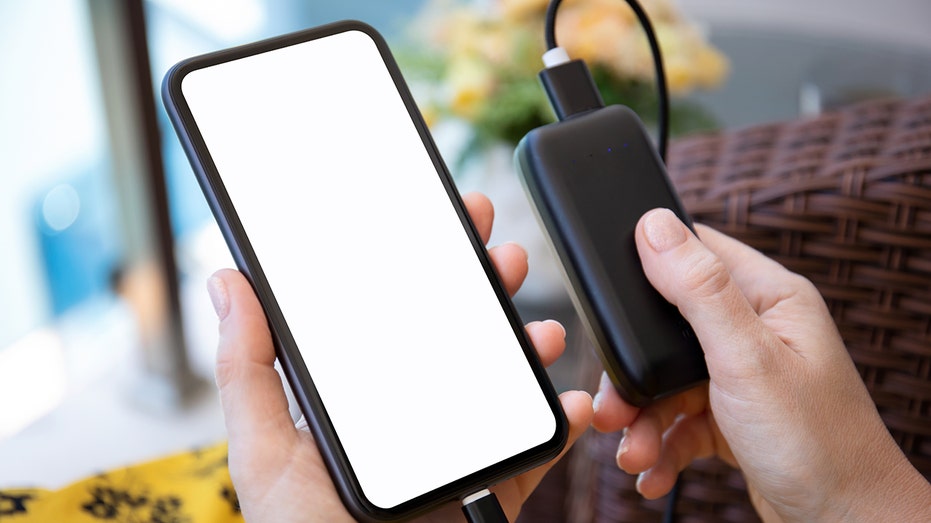
A person holds a smartphone connected to a portable power bank charger. (iStock)
These policy adjustments by Southwest are part of a broader industry-wide effort to address the escalating risk associated with lithium-ion batteries. The proliferation of personal electronic devices (PEDs) and high-capacity portable chargers has introduced new safety challenges for airlines and regulatory bodies. According to data from the Federal Aviation Administration (FAA), 2023 saw 97 reported incidents involving smoke, fire, or extreme heat linked to batteries on flights, an increase from 89 the previous year. This upward trend underscores the urgent need for stringent safety protocols and represents a significant operational risk for carriers, potentially leading to costly diversions, aircraft damage, and reputational harm.
Airlines face a delicate balancing act: providing modern conveniences that passengers expect, particularly in an increasingly digital world, while upholding the highest safety standards. The cost of a single in-flight fire incident, in terms of emergency response, flight diversions, repairs, and potential litigation, far outweighs the investment in preventative measures and upgraded cabin infrastructure. Southwest’s dual strategy of immediate policy tightening and long-term infrastructure investment reflects a pragmatic approach to managing this complex challenge. For investors, these safety investments are critical for maintaining operational reliability and reducing exposure to unforeseen liabilities, ultimately supporting the airline’s long-term financial health.
DELTA, SOUTHWEST HIKE CHECKED BAG FEES AS AIRLINES FACE SURGING FUEL COSTS
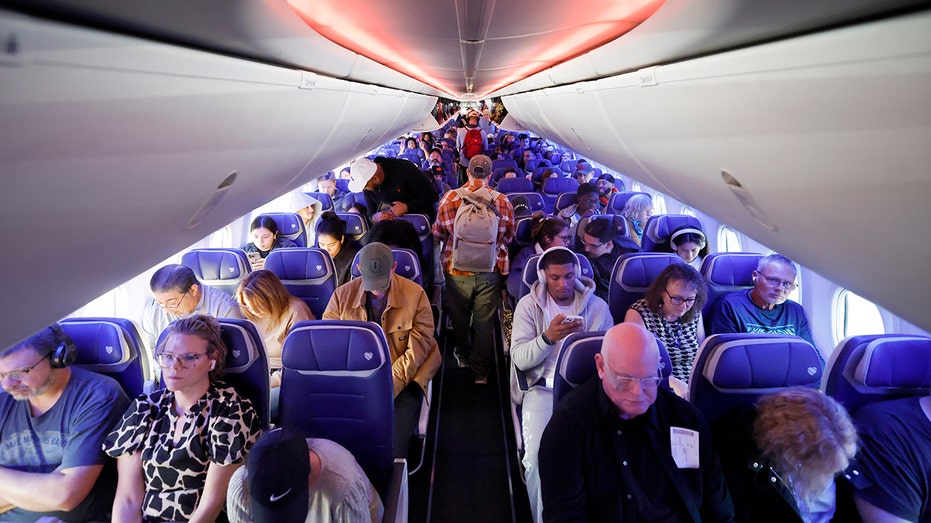
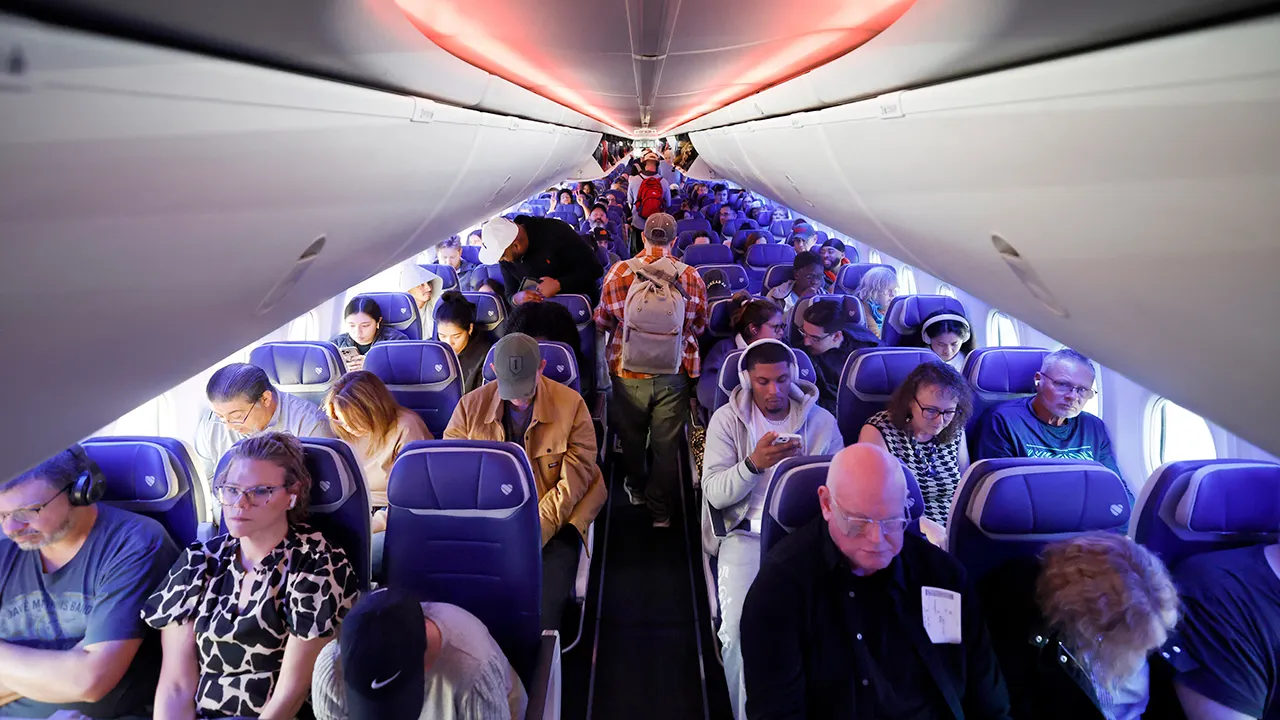
Southwest Airlines passengers settle in for an early nonstop flight to Seattle-Tacoma International Airport in Sea-Tac, Washington from Dallas Love Field on March 5, 2026. (Tom Fox/The Dallas Morning News via Getty Images)
GET FOX BUSINESS ON THE GO BY CLICKING HERE
The changes come as airlines and regulators intensify efforts to address the growing risk of onboard fires linked to lithium batteries.
Last year, there were 97 reported incidents involving smoke, fire, or extreme heat linked to batteries on flights, up from 89 the year before, Reuters reported, citing data from the Federal Aviation Administration.
Fox News Digital’s Ashley J. DiMella contributed to this report.
—
**Market Impact:**
Southwest Airlines’ latest policy on portable chargers, while a safety imperative, carries several financial and market implications. For Southwest (LUV), this move reinforces its commitment to safety and operational reliability, which can positively influence investor confidence by mitigating potential high-cost incidents. However, the temporary inconvenience for passengers, particularly those reliant on portable power, could slightly impact short-term customer satisfaction metrics, though the long-term investment in fleet-wide in-seat power by 2027 is a strategic move to regain and enhance the customer experience. This capital expenditure, while substantial, is expected to yield returns through improved passenger loyalty and competitive positioning. Across the broader airline industry, Southwest’s proactive stance may pressure other carriers to standardize similar stringent policies, especially those with less developed in-seat power infrastructure, potentially leading to increased capital outlays for cabin upgrades industry-wide. This could also spur innovation in safer battery technologies or enhance demand for in-flight entertainment and connectivity systems providers. For consumer electronics manufacturers, particularly those producing portable chargers, there may be an increased focus on developing products that meet evolving airline safety standards and communicate watt-hour capacities more clearly. Ultimately, this represents a significant industry shift towards prioritizing safety in an age of pervasive personal technology, with both cost and competitive implications for all stakeholders.