
Key Takeaways
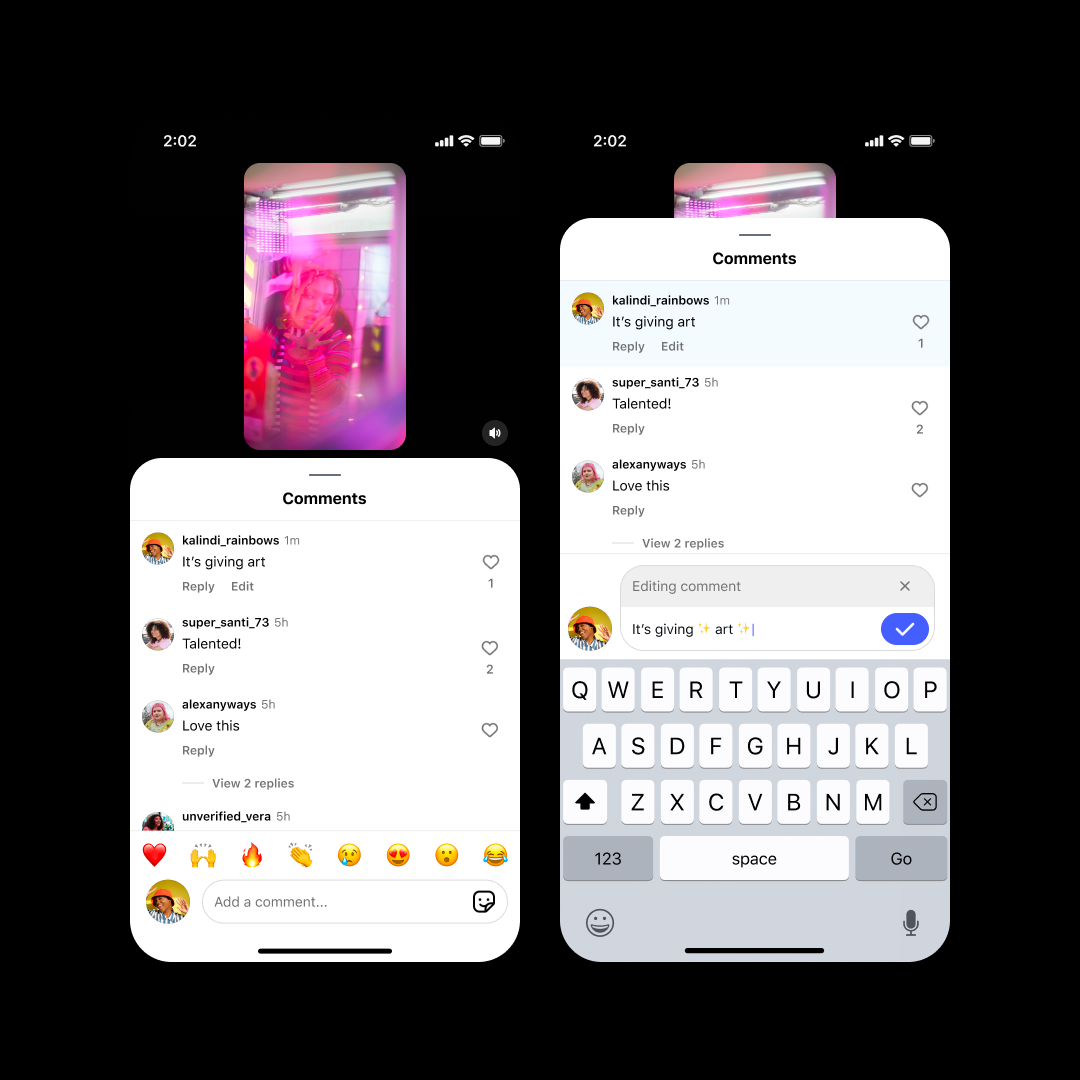
- Instagram has finally rolled out a much-requested comment editing feature, allowing users a 15-minute window to correct typos and revise text.
- Edited comments will display an “Edited” label, but unlike some other platforms, the original version of the comment will not be visible to other users.
- This user experience enhancement arrives amidst intensified scrutiny and significant legal challenges for Meta concerning child safety and the addictive design of its platforms.
In a move that’s sure to delight anyone who’s ever rushed a comment only to spot a glaring typo moments later, Instagram has introduced a long-awaited feature: the ability to edit comments. This seemingly minor update represents a significant quality-of-life improvement for users, addressing a frustration that has echoed across the platform for years.
A Welcome Fix for Common Frustrations
Announced officially on Thursday, the new functionality grants users a brief, 15-minute window after posting to make changes to their comments. Within this timeframe, edits are unlimited, allowing for multiple revisions until the perfect phrasing is achieved. This stands in stark contrast to the previous necessity of deleting and re-typing an entire comment, a cumbersome process for what often amounted to a simple spelling correction or a quick rephrase.
However, users should note a few key distinctions. Once a comment has been edited, other Instagram users will see an “Edited” indicator next to the comment. Crucially, Instagram’s implementation differs from platforms like iMessage or X (formerly Twitter), where a full edit history might be viewable. On Instagram, the original text remains private, ensuring that only the final version is displayed. This approach aims to provide flexibility without potentially exposing past thoughts or errors in a public revision log.
Another important limitation to keep in mind is that the editing capability is strictly for text. If your comment includes a photo or other media alongside text, only the written portion can be altered. The embedded image or media, once posted, is static and cannot be swapped out or removed via the edit function.
While the official announcement just dropped, this feature isn’t entirely a surprise to eagle-eyed users. Over the past few weeks, reports circulated online indicating that Instagram was quietly testing the functionality. The positive reactions surfacing across social media platforms, with comments ranging from “It’s about time” to playful jabs like “Not sure why it took 73 years, but I’m glad,” underscore the widespread demand for this update.
Instagram’s Evolving User Experience
This rollout can be viewed as part of Instagram’s ongoing, albeit sometimes slow, commitment to refining its user experience. In an increasingly competitive social media landscape, platforms constantly grapple with balancing new features, content trends, and fundamental user satisfaction. While some of Instagram’s recent major updates have focused on video content with Reels or new monetization tools, this comment editing feature highlights a return to addressing core user pain points. It signals an acknowledgment that even seemingly small changes can significantly enhance daily interactions and improve overall platform stickiness.
The “why now?” question often accompanies such updates. It could be a response to sustained user feedback, an effort to make the platform feel more polished in an era where quick, accurate communication is paramount, or perhaps even a strategic move to foster a more positive and less error-prone commenting environment. Regardless of the precise motivation, the convenience offered by this new feature is undeniable.
A Tale of Two Announcements: User Convenience Amidst Legal Headwinds
Interestingly, the announcement of this user-friendly feature shared the spotlight with another, far more serious development: Instagram’s new content restrictions for teen accounts. These restrictions are designed to filter out certain types of content for users under 18, based on their similarity to 13+ movie ratings. This move is a direct response to the escalating global scrutiny regarding the impact of social media platforms on young users’ mental health and safety.
Meta, Instagram’s parent company, has faced a particularly turbulent period on the legal front. Just last month, the tech giant suffered two significant legal setbacks. In New Mexico, a court held Meta accountable for endangering child safety, setting a potentially far-reaching precedent. Simultaneously, a jury in Los Angeles concluded that Meta intentionally designed its applications to be addictive for children and teenagers, directly contributing to harm to their mental health. These verdicts are not isolated incidents; thousands of similar cases are still pending across the United States, with an overwhelming 40 state attorneys general currently taking unified legal action against the company.
These legal battles paint a stark picture of the immense pressure Meta is under to reform its practices, particularly concerning its youngest users. The introduction of content restrictions based on established rating systems is a clear attempt to demonstrate a proactive approach to protecting minors and mitigating some of the legal and reputational risks. It also highlights the complex tightrope walk tech companies face: innovating to improve user experience while simultaneously navigating intricate ethical, social, and legal responsibilities.
Bottom Line
Instagram’s new comment editing feature is a welcome, if belated, enhancement that significantly improves the daily experience for millions of users. It demonstrates a commitment to refining core platform functionality and addressing long-standing user requests. However, this positive stride forward is shadowed by the far more pressing and profound challenges Meta faces concerning the safety and well-being of its youngest users. The juxtaposition of these two announcements – a minor convenience alongside major regulatory and legal pressures – encapsulates the complex reality of operating a global social media platform today: a constant balance between user satisfaction, technological innovation, and an ever-increasing demand for social responsibility and accountability.
{content}
Source:{feed_title}