
Key Takeaways:
- Apple is reportedly launching a new smart home hub, theHomeView, signaling its most ambitious push yet into the connected home market.
- The HomeView will feature adisplay, Siri integration, and an A18 chip, available in both countertop and wall-mounted variants, addressing previous HomePod limitations.
- Alongside the HomeView, Apple is expected to unveil updated Apple TV and HomePod mini devices, plus a strategicpartnership with LGfor smart home accessories, emphasizing a comprehensive ecosystem strategy.
For years, the smart home market has felt like a puzzle with a crucial piece missing for Apple. While its HomeKit framework offered a foundation and the HomePod brought premium audio, neither truly captured the widespread adoption seen by rivals. That’s all set to change, dramatically, if the latest intel from Bloomberg’s revered Apple oracle, Mark Gurman, proves accurate. Apple is reportedly poised to make its most significant bet on the connected living space to date with the announcement of a new smart home hub dubbed theHomeView, slated for unveiling as early as Tuesday.
HomeView: Apple’s Vision for the Connected Home
The HomeView isn’t just another incremental update; it represents a significant strategic shift. Gurman describes it as aSiri-powered device featuring a display and an advanced A18 chip. This combination is critical. While the HomePod offered an auditory interface for Siri, the inclusion of a screen elevates the interaction, bringing it in line with what users expect from modern smart displays like Amazon’s Echo Show or Google’s Nest Hub. The A18 chip, likely a derivative of Apple’s powerful iPhone processors, hints at robust performance, superior on-device AI capabilities, and seamless integration with other Apple services and smart home devices.
Intriguingly, the HomeView will reportedly be available in two distinct models: one optimized for countertops and another designed to be mounted directly on walls. This dual-form factor approach suggests Apple is thinking deeply about the varying needs and aesthetics of different households. A countertop device might serve as a central command center in a kitchen or living room, perfect for video calls, recipe guidance, or quick glances at calendars and news. A wall-mounted version, on the other hand, could offer a more permanent, integrated control panel for lighting, climate, security, and media across the entire home, blending seamlessly into modern smart interiors.
Learning from Past Endeavors: Why HomeView is Different
Apple’s journey in the smart home has been a mixed bag. TheHomeKit software framework, introduced in 2014, promised a unified, secure platform for controlling smart accessories. However, its stringent security requirements and certification process often led to slower adoption rates by accessory manufacturers compared to more open ecosystems. Theoriginal HomePod smart speaker, launched in 2018, was lauded for its exceptional audio quality but struggled to compete with more affordable, feature-rich rivals due to its premium price tag and Siri’s more limited smart home capabilities at the time.
The HomeView directly addresses these past shortcomings. By integrating a display, Apple moves beyond an audio-only experience, providing a visual interface that is often more intuitive for complex tasks or simply checking information. The A18 chip promises superior processing power, which could translate to faster Siri responses, more sophisticated on-device intelligence, and the ability to handle multiple concurrent tasks without lag. This isn’t just a speaker or a hub; it’s a dedicated smart home appliance designed from the ground up to be the focal point of Apple’s connected ecosystem, making it a truly “serious bet” on the smart home.
A Broader Ecosystem Play: Updates and Partnerships
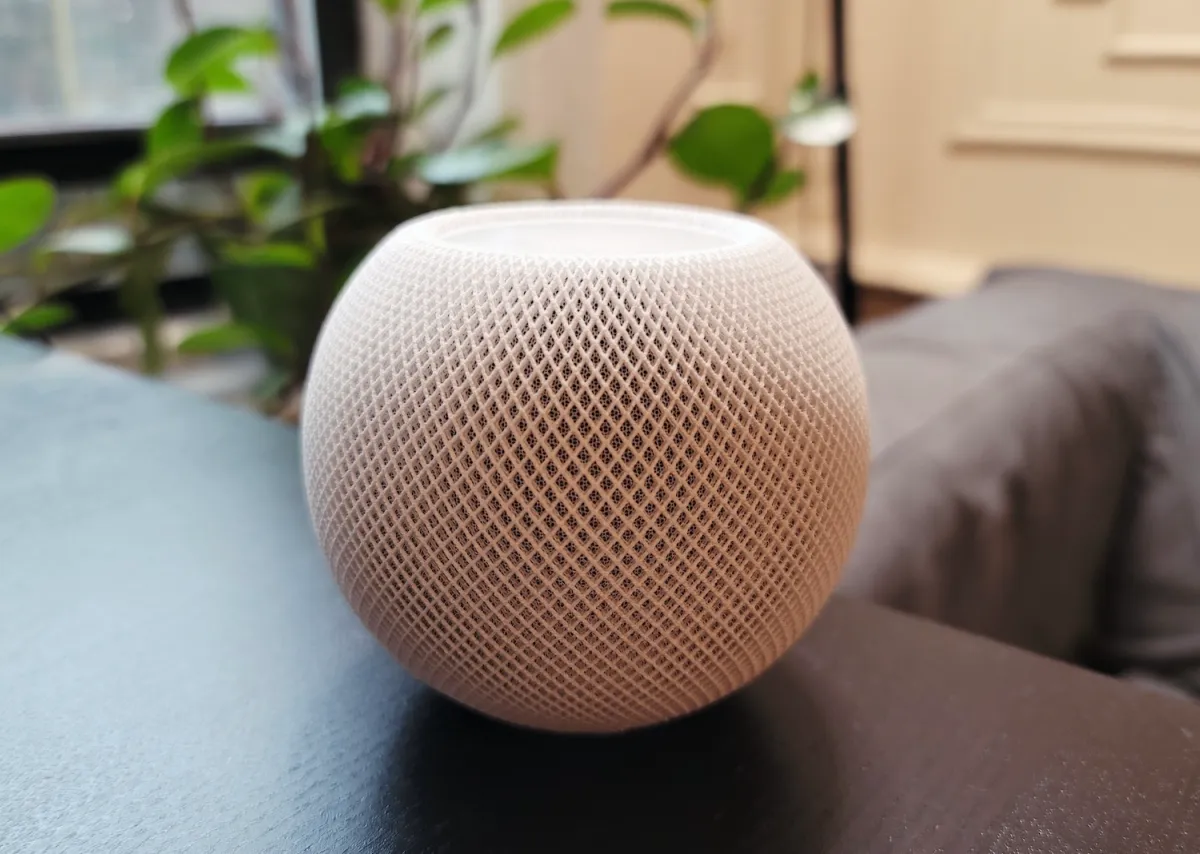
The HomeView won’t arrive in isolation. Gurman’s report also suggests that Apple will be unveiling updated versions of two other crucial home devices: theApple TV set-top box and the HomePod mini. The Apple TV, already a cornerstone of many entertainment setups, could see performance enhancements, new gaming capabilities, or tighter integration with the HomeView. The HomePod mini, a more affordable and successful iteration of Apple’s smart speaker, will likely receive minor hardware tweaks or software updates to further solidify its role as an entry point into the HomeKit ecosystem and a ubiquitous Siri access point throughout the home.
Perhaps even more impactful is the reported partnership with LG to create a suite of smart home accessories, including asmart lock, a thermostat, and a doorbell. This is a significant strategic move. Instead of relying solely on third-party manufacturers to build HomeKit-compatible devices, Apple is directly collaborating with a major global electronics and appliance giant. This partnership could ensure a baseline of quality, seamless integration, and a consistent user experience for foundational smart home categories. It also signals Apple’s willingness to expand its hardware presence in the home through strategic alliances, tackling critical areas that directly impact security, energy efficiency, and convenience.
The Competitive Landscape and Apple’s Differentiators
The smart home market is fiercely competitive, dominated by Amazon with its extensive Echo range and Google with its Nest Hub devices. Both companies have years of experience, vast ecosystems of compatible devices, and well-established voice assistants. Apple will need strong differentiators to carve out its niche.
Apple’s traditional strengths —premium design, robust privacy features, and a seamless ecosystem experience— will undoubtedly be central to the HomeView’s appeal. With Apple’s reputation for user-friendly interfaces, the HomeView could offer a more intuitive and less fragmented smart home experience than some competitors. Furthermore, Apple’s strong stance on user privacy could resonate deeply with consumers increasingly concerned about data collection by smart home devices. The A18 chip also allows for more on-device processing, potentially reducing the reliance on cloud-based analytics for sensitive data.
The integration with existing Apple services like Apple Music, Apple Fitness+, Apple Photos, and FaceTime will also be a powerful draw for the millions already invested in the Apple ecosystem. Imagine using the HomeView’s display for guided workouts, displaying shared family photo albums, or making video calls directly from the kitchen or living room.
Challenges and Opportunities Ahead
While the HomeView presents a massive opportunity, Apple will face challenges. Pricing will be a key factor; Apple products typically command a premium, but the smart display market has become quite competitive on price. Ensuring broad compatibility with a wide range of existing smart home accessories beyond just Apple’s own or LG’s will also be crucial for mass adoption. Furthermore, winning over developers to fully embrace HomeKit and build rich experiences for a display-equipped hub will be essential.
However, the opportunity is immense. The smart home market continues to grow, with consumers increasingly seeking convenience, security, and energy efficiency. With the HomeView, Apple isn’t just releasing another gadget; it’s making a bold statement about its long-term vision for the connected home, attempting to establish itself as the central intelligence and control panel for modern living.
{content}
Bottom Line:Apple’s rumored HomeView, coupled with strategic updates and key partnerships, signals a decisive and ambitious re-entry into the smart home arena. By combining a display, powerful processing, and a renewed commitment to ecosystem integration and user experience, Apple aims to finally establish itself as a dominant force in the connected home, transforming how users interact with their living spaces and potentially setting new industry standards for privacy and seamless control.
Source:{feed_title}