
Check out what’s clicking on FoxBusiness.com.
Key Takeaways:
- Supply Chain Vulnerability Underscored:The recall of Blackstone Products’ seasoning due to an upstream supplier’s contaminated milk powder highlights the systemic fragility of modern food supply chains, where a single ingredient failure can trigger widespread product withdrawals and significant financial implications across multiple entities.
- Brand Reputation and Trust at Risk:For Blackstone Products, this proactive voluntary recall, while crucial for public safety, poses a material threat to its brand equity and consumer confidence, potentially impacting future sales and market share in the highly competitive consumer packaged goods (CPG) sector.
- Rising Operational and Compliance Costs:Beyond immediate recall logistics and customer refunds, companies in the food industry face escalating costs associated with heightened regulatory scrutiny, enhanced quality control, and the potential for legal liabilities, underscoring the necessity of robust risk management frameworks.
A recent recall involving Blackstone Products’ Parmesan Ranch seasoning underscores the persistent and pervasive risks embedded within modern food supply chains, offering a stark reminder of how a single ingredient’s contamination can ripple through the market, impacting brands, retailers, and ultimately, consumer trust. The U.S. Food and Drug Administration (FDA) announced the voluntary recall of certain lots of the seasoning blend, citing a potential risk of salmonella contamination stemming from an ingredient supplied by California Dairies, Inc.
Blackstone Products of Providence, Utah, a company primarily known for its outdoor cooking griddles and accessories, faces a brand reputation challenge with this recall of its Parmesan Ranch seasoning products. The discovery that California Dairies, Inc. had recalled dry milk powder due to potential salmonella contamination sent a clear warning signal up the supply chain. This affected milk powder was subsequently supplied to a third-party manufacturer, which then incorporated it into Blackstone’s seasoning product, according to the FDA. This chain of events highlights the intricate and often opaque nature of ingredient sourcing, making robust supply chain due diligence a critical factor for any company in the food industry.
The affected products, exclusively sold nationwide through Walmart stores and the Blackstone Products website, illustrate the broad reach a contamination event can have. For a retail giant like Walmart (WMT), while the direct financial impact of a single product recall is typically minor, such incidents underscore the importance of stringent vendor management and quality control protocols to protect its overarching brand image and consumer trust.
CHECK YOUR FREEZER: ORGANIC ICE CREAM RECALLED IN 17 STATES OVER POSSIBLE METAL FRAGMENTS
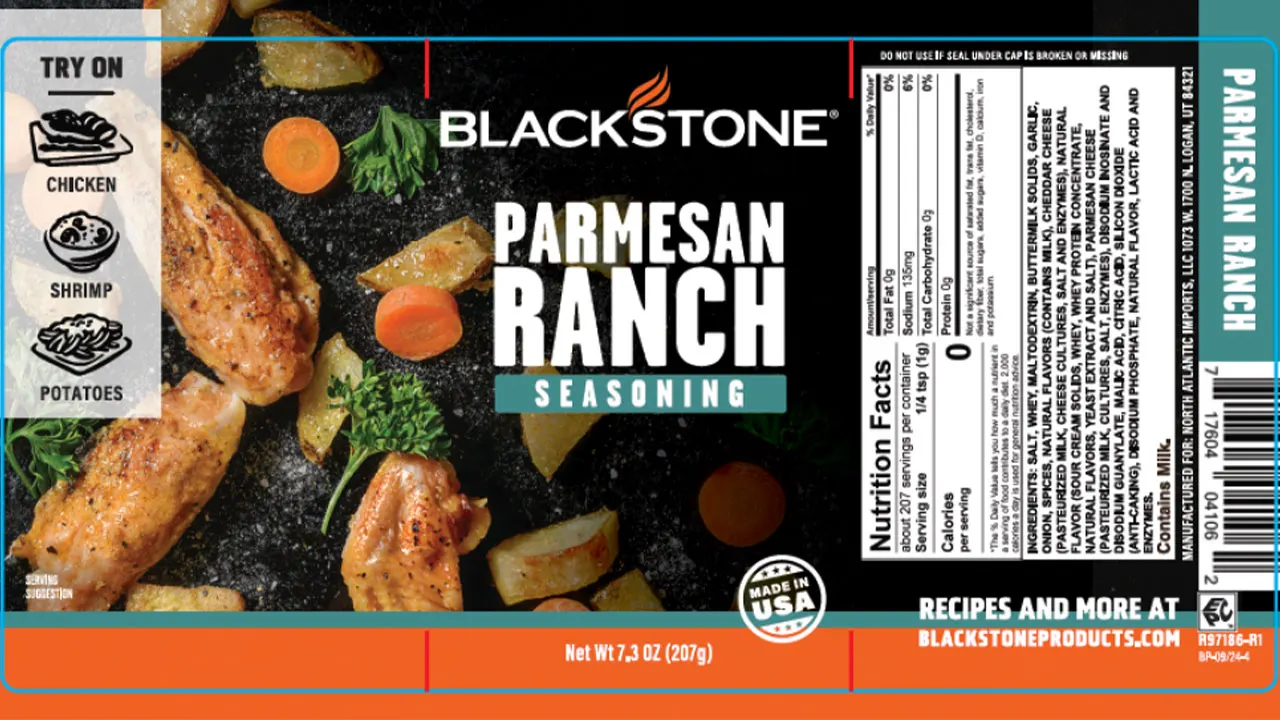
Select lots of Blackstone’s Parmesan Ranch seasoning packet were voluntarily recalled.(U.S. Food & Drug Administration / Unknown)
The recalled products are labeled as Blackstone Parmesan Ranch 7.3 oz seasoning products with item number #4106. The specific lot code and best-by dates—2025-43282 (July 2, 2027), 2025-46172 (Aug. 5, 2027), and 2026-54751 (Aug. 12, 2027)—are crucial details for consumers and retailers alike to identify and remove the affected inventory. The precision required for such recalls adds to the operational complexity and cost for manufacturers and distributors, affecting profit margins and requiring immediate resource allocation.
While no illnesses have been reported from the affected seasoning products to date, the FDA’s warning about salmonella’s severe, potentially fatal effects on vulnerable populations—young children, the elderly, and those with weakened immune systems—underscores the gravity of such a contamination risk. For companies, even the *potential* for harm carries immense legal, financial, and reputational liabilities, necessitating immediate and decisive action. The cost of inaction in such scenarios, including potential lawsuits and regulatory fines, invariably far outweighs the immediate expenses associated with a comprehensive product recall.
| Ticker | Security | Last | Change | Change % |
|---|---|---|---|---|
| WMT | WALMART INC. | 131.45 | -1.01 | -0.76% |
Salmonella is an organism that can cause fever, diarrhea, nausea, vomiting, and abdominal pain in otherwise healthy people. In rare cases, the infection can enter the bloodstream and cause more severe illnesses, including arterial infections, endocarditis, and arthritis. The specter of such severe health outcomes often triggers immediate and proactive recall measures, even without confirmed illnesses, as the imperative to protect public health aligns with the long-term financial interest of maintaining a positive brand image and avoiding costly legal entanglements.
MORE THAN 125,000 CHILDREN’S TOWER STOOLS RECALLED NATIONWIDE DUE TO POSSIBLE DEADLY DEFECT
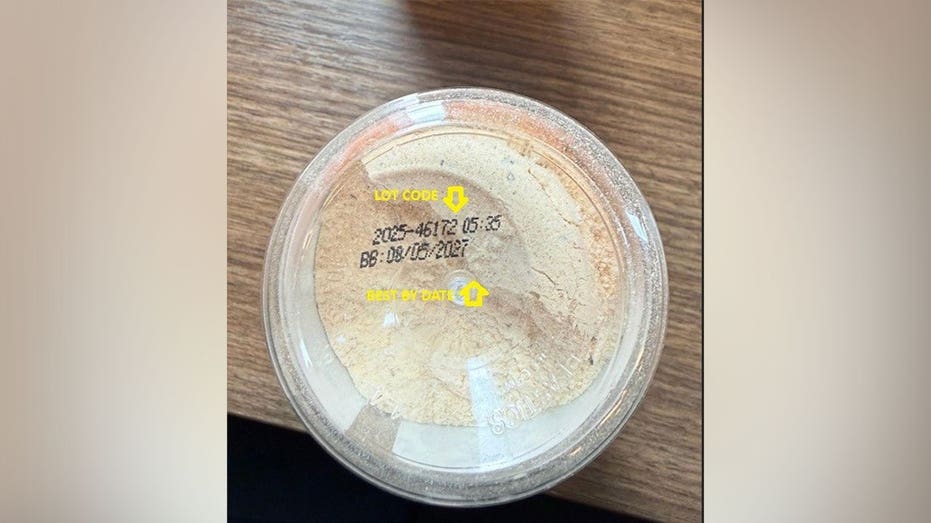
The recalled Blackstone Parmesan Ranch seasoning products list the lot code and best-by date on the bottom of the container, according to the FDA.(U.S. Food & Drug Administration / Unknown)
For Blackstone Products, the financial implications of this recall are multi-faceted. Direct costs include logistics for product retrieval, disposal, customer refunds, and the distribution of replacement products. More significantly, there’s the potential for a long-term hit to brand equity. In the highly competitive consumer packaged goods (CPG) sector, where consumer trust is paramount, incidents of foodborne illness risk can erode confidence, leading to reduced sales, market share erosion, and increased marketing expenditure to restore positive brand perception. For a company primarily associated with durable goods like griddles, expanding into consumables necessitates an exceptionally high standard of quality control to maintain brand integrity across its diverse product portfolio, guarding against cross-category reputational damage.
A representative for Blackstone did not immediately respond to FOX Business’ request for comment, which is typical during the initial phases of a recall as companies prioritize internal procedures, regulatory compliance, and consumer communication. However, effective and transparent communication strategies are crucial in managing public perception and rebuilding trust post-recall, often requiring significant investment in public relations and customer service channels.
Consumers are urged not to use the recalled seasoning and should dispose of the product immediately. The FDA’s clear directives reinforce the seriousness of the situation, underscoring the potential public health risk. Customers who purchased the affected products may contact Blackstone Products at 1-888-879-4610 to receive a replacement product or ask additional questions, demonstrating the company’s commitment to customer service and mitigating the negative impact on consumer loyalty.
GET FOX BUSINESS ON THE GO BY CLICKING HERE
Market Impact:
This Blackstone Products seasoning recall serves as a microcosm of broader market dynamics at play within the consumer goods sector. It highlights the critical interplay between supply chain integrity, brand reputation, regulatory compliance, and consumer trust. For investors, such events reiterate the importance of evaluating a company’s risk management framework, particularly its supplier vetting processes, third-party audit requirements, and crisis communication strategies. While the direct financial fallout for Blackstone Products and the indirect operational impact on Walmart may be contained to specific quarters, the incident contributes to a macro-narrative of increased scrutiny on food safety across the industry. This intensified focus could potentially drive up compliance costs for all manufacturers, favoring companies with proven track records of robust quality assurance and efficient operational controls. In the fast-moving consumer goods market, a single contamination event can quickly transition from a supply chain hiccup to a material business challenge, echoing the sentiment that an ounce of prevention is worth a pound of cure, especially when the health and safety of consumers are at stake. Companies demonstrating resilience and proactive measures in the face of such challenges are often better positioned to maintain investor confidence and long-term market stability.