
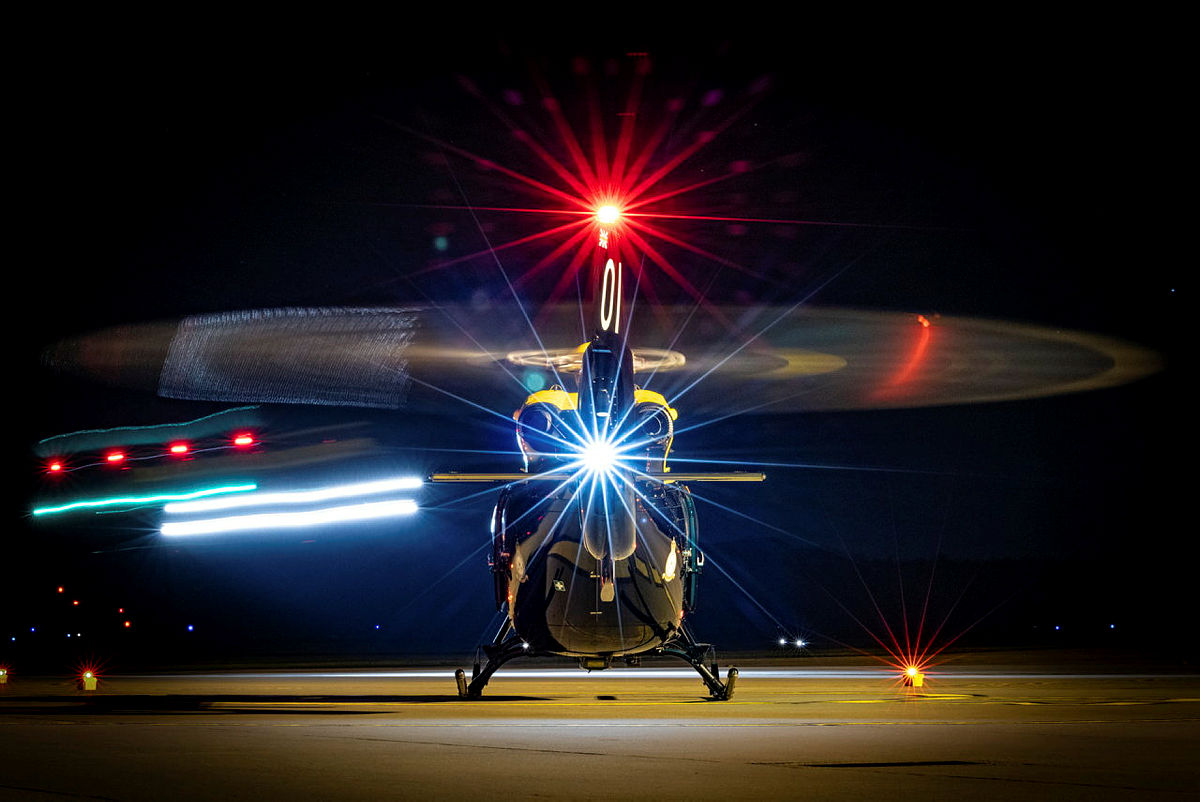
UK Military Flying Training System Marks Ten Years of Modernized Rotary Wing Aircrew Training at RAF Shawbury
The rotary wing component of the UK Military Flying Training System (UKMFTS) has reached a significant milestone, marking ten years of operational delivery at RAF Shawbury. Ascent Flight Training, the prime contractor for UKMFTS, is reflecting on a decade that has fundamentally reshaped how helicopter pilots and rear crew are prepared for frontline operations across the Royal Navy, British Army, and Royal Air Force.
Launched in May 2016, the programme was designed to replace disparate legacy training models with a single, harmonised system. This modern approach seamlessly integrates live flying exercises with advanced simulation technology, creating a comprehensive and efficient learning environment. A critical aspect of this transformation was the introduction of the Airbus Juno HT1 and Jupiter HT1 fleets. These state-of-the-art aircraft brought “glass cockpits,” twin-engine capability, and sophisticated avionics into the training syllabus. This technological upgrade ensures that trainee aircrew gain experience on platforms that closely mirror the operational helicopters they will eventually fly, thereby reducing conversion training time and enhancing readiness upon graduation.
Taff Bendall, Chief Pilot for Rotary Wing Training at Ascent, highlighted the anniversary as an opportunity to acknowledge the collective achievements of all involved. In his remarks, Bendall affirmed that the programme has “delivered on its promise to modernise training, improve efficiency and provide the UK Armed Forces with the skilled personnel they depend on.” He underscored the crucial role played by the Shawbury workforce and the collaborative partnership between the Ministry of Defence (MoD), Ascent, and various industry suppliers. This tripartite alliance, comprising military and civilian instructors, engineers, and support teams, has been instrumental in delivering high-volume training while simultaneously integrating new aircraft, complex systems, and evolving methodologies.
Bendall further identified the increasing trend of former Shawbury students returning to serve as instructors as a strong indicator of the programme’s long-term sustainability and effectiveness. This cycle of returning talent ensures the continuity of institutional knowledge, reinforces the relevance of the training curriculum, and provides valuable mentorship for new recruits. Each year, hundreds of rotary wing students successfully complete their training at Shawbury. They graduate not only with advanced flying skills but also with critical non-technical competencies, including decision-making under pressure, effective crew coordination, and enhanced situational awareness—all essential attributes for navigating complex and demanding operational environments, from combat zones to humanitarian aid missions.
Looking to the future, Bendall emphasized that the programme’s focus remains firmly on continuous evolution. Upcoming advancements are expected in areas such as synthetic training, which could see greater integration of virtual and augmented reality to create even more immersive and adaptable learning experiences. Data-driven performance analysis is also set to play a larger role, utilising collected metrics from both live and simulated flights to refine training pathways and personalize instruction. Furthermore, a sustained emphasis on operational alignment will ensure that the training provided continues to reflect the latest doctrines and emerging challenges faced by the UK Armed Forces. Bendall concluded, “We move into our second decade in a strong position, building on partnership, innovation and a shared commitment to excellence. RAF Shawbury’s role as the centre of helicopter training excellence is firmly established and its future will be defined by how it adapts to emerging technologies and changing operational demands.”
RAF Shawbury, located in Shropshire, has historically been the epicentre of military helicopter training in the UK, a role it has held for decades, predating the current UKMFTS contract. The broader UKMFTS programme, executed by Ascent on behalf of the MoD, represents a strategic consolidation of both fixed and rotary wing aircrew training under a single, contractor-led framework. This framework is recognized as one of the largest and most ambitious defence training contracts in the United Kingdom, reflecting a national commitment to modernizing military aviation education.
Why This Matters
The ten-year anniversary of the UKMFTS rotary wing element at RAF Shawbury signifies far more than a contractual milestone; it represents a critical pillar of the United Kingdom’s national security and defence capability. This programme is vital for several reasons:
- Ensuring Frontline Readiness:The core function of UKMFTS is to produce highly skilled helicopter aircrew for the Royal Navy, British Army, and Royal Air Force. These personnel are indispensable for a wide array of missions, including combat operations, search and rescue, disaster relief, counter-terrorism, and humanitarian aid. A robust and modern training system directly translates to enhanced operational effectiveness and the safety of UK forces globally.
- Technological Superiority and Adaptation:By integrating advanced aircraft like the Juno and Jupiter, and embracing technologies such as glass cockpits and sophisticated avionics, the programme ensures that UK aircrew are trained on platforms that mirror those used in modern warfare. This continuous technological alignment helps maintain the UK’s qualitative edge in military aviation and prepares pilots for future threats and capabilities. The ongoing focus on synthetic training and data-driven analysis ensures the system remains agile and at the forefront of aviation education.
- Efficiency and Value for Money:The transition from fragmented legacy systems to a consolidated, harmonised, contractor-led framework under Ascent has aimed to deliver greater efficiency and better value for money for the taxpayer. By standardizing training across services and leveraging private sector innovation and investment, the programme seeks to optimize resource allocation and reduce overall training costs while maintaining high standards.
- Strategic Partnership and Employment:The collaboration between the MoD, Ascent, and industry partners demonstrates a successful public-private model for defence capability delivery. This partnership not only provides crucial defence services but also sustains a significant number of skilled jobs, both military and civilian, at RAF Shawbury and across the defence industry supply chain, contributing to local and national economies.
- Global Reputation and Influence:A world-class military flying training system enhances the UK’s international standing. It signals the nation’s commitment to maintaining highly professional armed forces and can foster opportunities for international defence cooperation, joint exercises, and potentially, the export of training expertise to allied nations. The ability to consistently produce top-tier aircrew reinforces the UK’s role as a key player in global security.
In essence, the decade of modernized rotary wing training at RAF Shawbury is a testament to the UK’s commitment to investing in its defence personnel, embracing technological advancement, and ensuring its armed forces are prepared for the complex challenges of the 21st century.