
Novo Nordisk CEO Mike Doustdar details the company’s Amazon partnership, benefits of Ozempic beyond weight loss and more on ‘The Claman Countdown.’
Key Takeaways
- Significant Legal & Financial Exposure:Amazon faces a high-stakes class-action lawsuit alleging it unlawfully retained hundreds of millions of dollars in tariff costs passed to consumers, creating substantial potential fiscal liability and legal fees.
- Reputational Risk & Consumer Trust:The litigation highlights growing scrutiny over corporate accountability and consumer protection, potentially eroding public trust in Amazon and fueling broader anti-big tech sentiment regarding pricing practices and ethical conduct.
- Political Interplay & Regulatory Scrutiny:Allegations of Amazon prioritizing political appeasement over consumer refunds underscore the complex and often controversial relationship between major corporations and government administrations, inviting increased regulatory oversight and public debate on corporate influence.
Amazon, the e-commerce titan and cloud computing giant, is now grappling with a significant class-action lawsuit that casts a harsh spotlight on its pricing strategies, corporate ethics, and political maneuvering. The proposed lawsuit, filed in Seattle, alleges the company failed to refund hundreds of millions of dollars in tariff-related costs it had passed on to consumers. This legal challenge emerges in the wake of a pivotal U.S. Supreme Court ruling that invalidated specific tariffs imposed by the Trump administration, intensifying the financial and reputational headwinds for Amazon.
At the heart of the complaint is the accusation that Amazon collected substantial tariff costs by inflating prices on imported goods, despite the Supreme Court’s February decision that President Donald Trump lacked the authority under the International Emergency Economic Powers Act (IEEPA) to implement these particular tariffs. While thousands of companies, from small businesses to multinational conglomerates, have since pursued billions in refunds from the U.S. government following the ruling, Amazon has conspicuously refrained from doing so. The lawsuit contends this inaction is not due to a lack of legal standing, but rather a deliberate strategy to “curry favor with Trump by allowing the federal government to retain the funds.”
This allegation introduces a thorny political dimension to what would otherwise be a straightforward consumer protection issue. “Amazon’s decision to forgo recovery serves its own political and commercial interests at the direct expense of the consumers who bore the tariff costs in the first place,” the lawsuit asserts. This narrative suggests a calculated corporate decision to prioritize maintaining political goodwill over making its customer base whole, a move that could significantly impact consumer sentiment and Amazon’s carefully cultivated brand image.
The financial scale of the alleged retention is substantial, with the complaint stating Amazon “generated and retained a windfall from unlawful government action.” For a company of Amazon’s immense scale, with quarterly revenues often exceeding $100 billion, “hundreds of millions of dollars” might seem like a manageable sum. However, in the context of unjust enrichment and consumer restitution, it represents a significant fiscal liability that could be further compounded by legal fees and potential punitive damages. The lawsuit explicitly states, “The problem is that the funds Amazon is using to stay in the President’s good graces do not belong to Amazon… Those funds belong to the consumers who paid them.”
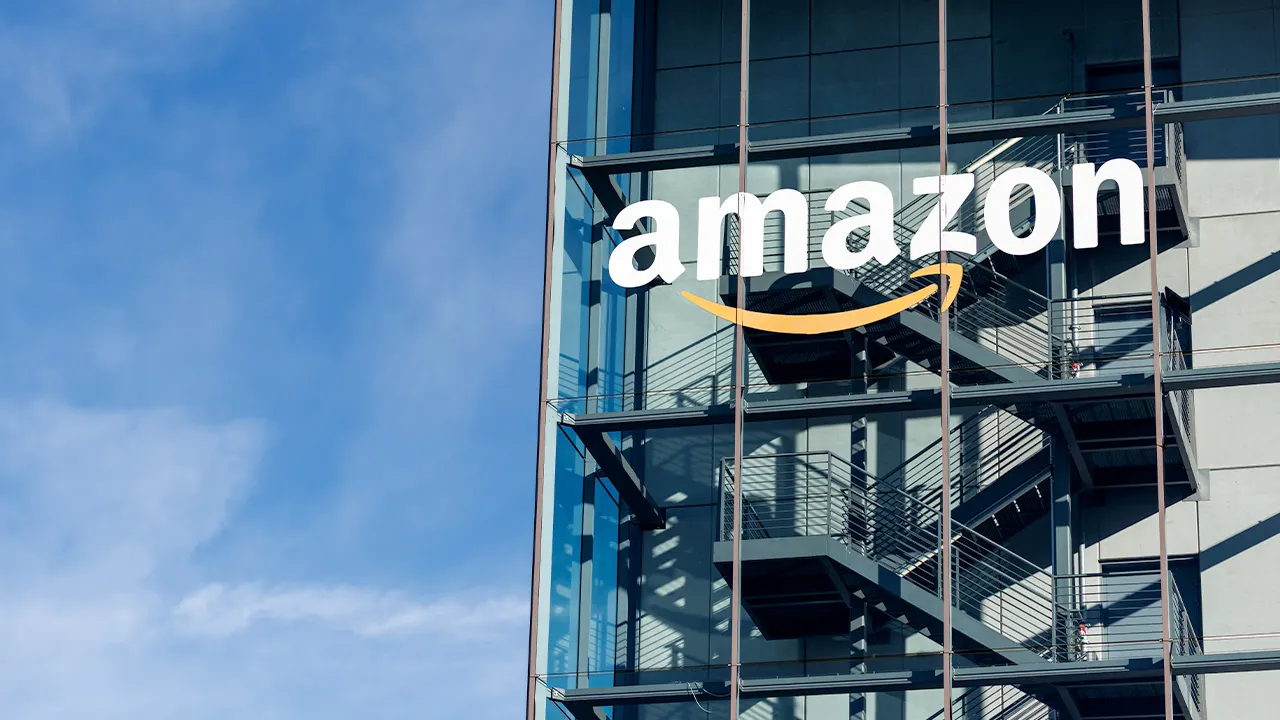
The Amazon logo is displayed on the façade of Amazon Germany’s headquarters in Parkstadt Schwabing, Munich, Bavaria, on Jan. 27, 2026.(Matthias Balk/picture alliance via Getty Images / Getty Images)
The International Emergency Economic Powers Act (IEEPA) was originally designed to grant the President broad powers to regulate international commerce during national emergencies, primarily for imposing sanctions against hostile foreign states or individuals. Its application by the Trump administration to levy tariffs on a wide array of imported goods, particularly from China, was highly contentious. These tariffs, intended to force trade concessions, rippled through global supply chains, increasing costs for importers, manufacturers, and ultimately, end consumers. The Supreme Court’s 6-3 decision in February provided clarity, effectively ruling that the IEEPA did not grant the Executive Branch such sweeping authority to impose tariffs without specific congressional approval or under circumstances that stretched the act’s original intent.
This legal clarity opened the floodgates for companies to seek redress. Over 2,000 entities have reportedly filed suits in the U.S. Court of International Trade, aiming to recoup tariffs paid. Amazon’s alleged refusal to join this wave stands in stark contrast to the actions of its peers and raises serious questions about its corporate governance and its commitment to consumer protection. The lawsuit accuses Amazon of unjust enrichment and violating Washington state’s robust consumer-protection law, setting the stage for a potentially protracted and costly legal battle.
The e-commerce giant’s market dominance and pricing power make these allegations particularly potent. Amazon’s ability to seamlessly pass on costs, whether legitimate or subsequently invalidated, underscores its leverage within the retail ecosystem. This lawsuit is not an isolated incident; it resonates with similar legal challenges against other major retailers like Nike and Costco, who also face accusations of failing to refund tariff-related costs to their customers. This emerging trend signals a broader legal push by consumers to hold corporations accountable for what they perceive as unlawfully retained funds, especially in an era of heightened awareness regarding corporate responsibility and consumer rights.
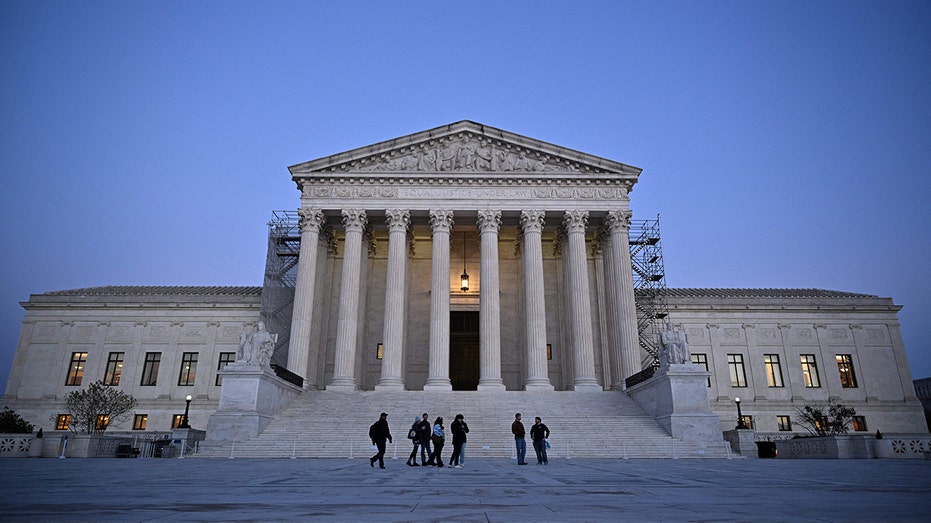
The U.S. Supreme Court ruled 6-3 that the International Emergency Economic Powers Act does not authorize the president to impose broad tariffs.(MANDEL NGAN/AFP via Getty Images / Getty Images)
Further complicating Amazon’s position are past reports of White House pushback. The lawsuit points to an incident in April 2025 where Amazon was reportedly considering displaying how much of a product’s cost was attributable to IEEPA tariffs. While Amazon denied these reports, stating it never intended to list such details on its main retail site, the lawsuit alleges this discussion prompted then-President Trump to personally call Amazon Executive Chairman Jeff Bezos to express his displeasure. This alleged interaction, whether direct or indirect, paints a picture of a corporation navigating sensitive political landscapes, where commercial decisions can be influenced by governmental pressures and the desire to avoid regulatory friction.
For investors monitoring AMZN, these developments add a layer of uncertainty. While a payout of “hundreds of millions” would represent a fraction of Amazon’s market capitalization and annual revenue, the class-action nature of the suit implies broader legal and administrative burdens. More critically, the reputational damage could be significant, particularly if the allegations of deliberately withholding consumer funds for political expediency gain traction in public discourse. In an environment where tech giants face increasing scrutiny over market power, data privacy, and ethical practices, this lawsuit could serve as a lightning rod for broader regulatory interest.
| Ticker | Security | Last | Change | Change % |
|---|---|---|---|---|
| AMZN | AMAZON.COM INC. | 264.14 | -3.08 | -1.15% |
The legal teams for Amazon and the White House have been contacted for comment, underscoring the ongoing nature of this high-profile legal dispute. As the case progresses, it will not only determine Amazon’s immediate financial liability but also set precedents for how large corporations are expected to handle costs passed to consumers, especially when government policies are later deemed unlawful.
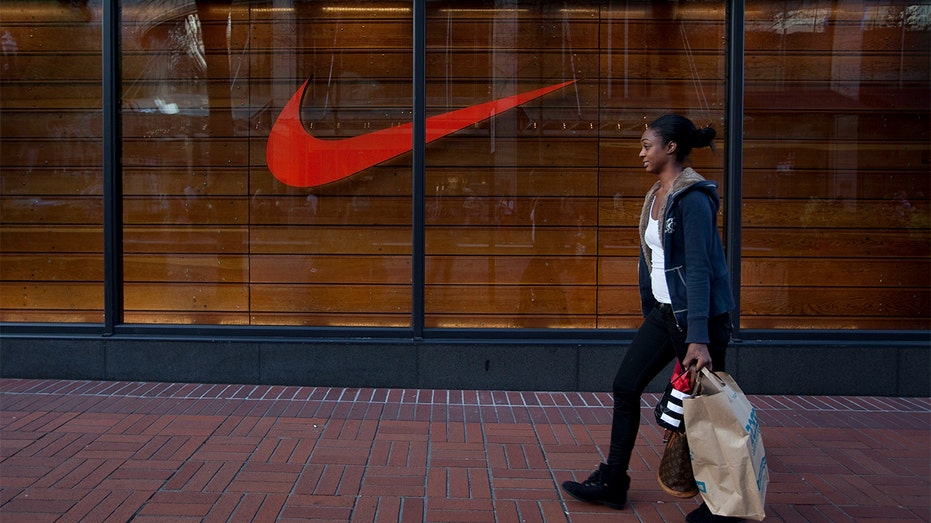
Nike and Costco are both tied to tariff-related lawsuits.(Natalie Behring/Bloomberg via Getty Images / Getty Images)
CLICK HERE TO GET FOX BUSINESS ON THE GO
Market Impact
The class-action lawsuit against Amazon introduces notable market uncertainties for investors and competitors alike. For AMZN shares, the immediate impact may be muted given Amazon’s immense financial reserves, but the potential for a significant payout, coupled with substantial legal costs and protracted litigation, presents a tangible fiscal overhang. More critically, the reputational damage from allegations of prioritizing political appeasement over consumer refunds could erode investor confidence and consumer loyalty, potentially impacting future sales growth and market share. This litigation could also trigger increased regulatory scrutiny of Amazon’s pricing practices and corporate lobbying efforts, especially given the broader anti-big tech sentiment. For the wider e-commerce and retail sectors, this lawsuit, alongside similar actions against Nike and Costco, signals a growing legal precedent for consumer restitution linked to overturned government policies. This could prompt other companies to proactively review their past pricing strategies and tariff cost recoveries, potentially leading to a wave of defensive actions or new compliance standards to mitigate similar future risks, thereby influencing operational costs and profit margins across the industry.
Reuters contributed to this report.