
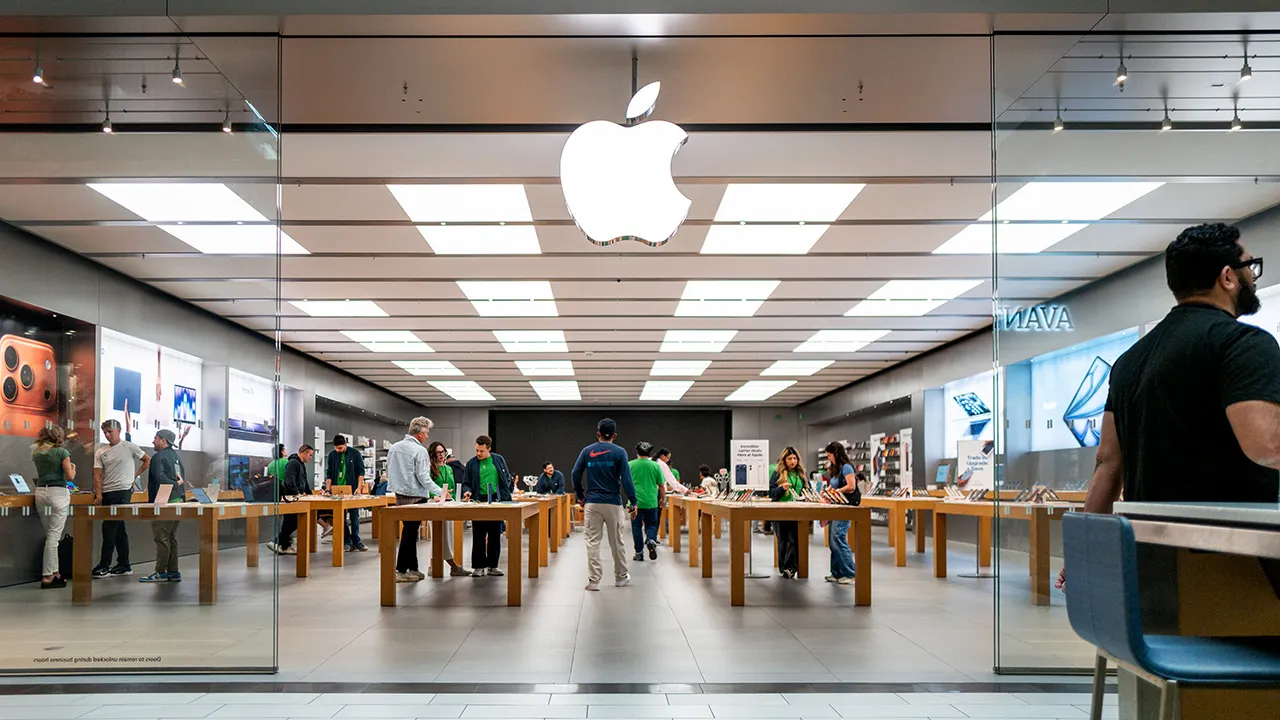
Bernstein managing editor and senior analyst Mark Newman speaks on the future of Apple intelligence after the release of their new Siri AI on The Claman Countdown.
Key Takeaways:
- AI Boom’s Ripple Effect:Apple’s unprecedented price hikes on iPads and MacBooks underscore how the burgeoning demand for AI-specific chips is creating intense competition for memory and storage components, elevating costs across the broader electronics sector.
- Strategic iPhone Exemption:The deliberate exclusion of the iPhone from price increases highlights its critical role as Apple’s primary revenue driver and ecosystem anchor, indicating a strategic prioritization of market share and consumer affordability for its most vital product.
- Industry-Wide Pressure:This move by Apple, a company renowned for its supply chain prowess and immense scale, signals a challenging environment for all consumer electronics manufacturers, with less-resourced rivals likely facing even steeper cost pressures and forced pricing adjustments.
In a move that sends ripples through the global technology and financial markets, Apple on Thursday announced significant price increases for its iPad and MacBook devices. The Cupertino giant attributed these adjustments directly to the soaring costs of memory and chip components, a direct consequence of the rapid, insatiable buildout of the artificial intelligence (AI) industry. This decision, while excluding its flagship iPhone lineup, reveals that even the world’s most valuable consumer electronics company, with its legendary supply chain leverage, is not immune to the inflationary pressures emanating from the semiconductor market.
“We have never seen a component price increase this much, this quickly,” Apple stated, articulating the severity of the situation. “We have shielded our customers from these increases so far, but we have now reached a point where we need to begin raising prices on a number of products, including today’s increases for the iPad and Mac.” This candid admission by Apple provides a stark illustration of the current supply-demand imbalances in the chip market, where the exponential growth of AI infrastructure is reshaping pricing dynamics for critical components like High-Bandwidth Memory (HBM) and advanced NAND flash.
The burgeoning demand for AI accelerators, spearheaded by companies like Nvidia, has diverted significant manufacturing capacity and chipmaker focus towards high-margin AI chips. Memory chipmakers, including industry titans like Micron Technology, have strategically prioritized orders from these AI powerhouses, leading to a tightening of supply and subsequent price escalations for the standard memory and storage chips vital for consumer devices. This shift has not only boosted the profitability of chipmakers but has also created a bottleneck for traditional electronics manufacturers, dampening the outlook for smartphone and PC sales as component costs erode margins or force uncomfortable price hikes.
Apple’s strategic decision to insulate the iPhone from these price adjustments underscores the device’s unparalleled importance to the company’s ecosystem and bottom line. The iPhone remains Apple’s primary cash cow, and maintaining its competitive pricing is crucial for customer retention and market share, especially in a maturing smartphone market. The company is likely absorbing the increased costs for iPhone components to protect its most valuable asset, indicating a careful balance between profitability across its diverse product portfolio and maintaining price accessibility for its most ubiquitous device.
The price hikes affect a range of popular Apple products. The Neo, Apple’s entry-level laptop designed to compete with more affordable Windows and Chromebook alternatives, will see its price jump from $599 to $699, a significant 16.7% increase just months after its launch. This move could challenge its competitive positioning in the budget segment. Similarly, the MacBook Air with 512 gigabytes of storage will rise from $1,099 to $1,299, while the MacBook Pro with 1 terabyte of storage will see its price increase from $1,699 to $1,999. The iPad Air with 128 gigabytes of storage is also subject to a substantial increase, moving from $599 to $749. Apple also confirmed price adjustments for both versions of its HomePod smart speaker and the Apple TV set-top box, indicating a broad impact across its non-iPhone hardware lineup.
These adjustments align with previous warnings from Apple’s leadership. Apple CEO Tim Cook had foreshadowed such actions earlier this month in an interview with The Wall Street Journal, stating that “price increases are unavoidable.” He further elaborated, “We’re doing our best to mitigate the huge increases that are being passed to us, and we’ve been trying to shield our customers from the increases, but the situation has become unsustainable.” On a late April conference call with analysts, Cook explicitly warned, “Where we don’t give color beyond June, I can tell you that beyond the June quarter, we believe memory costs will drive an increasing impact on our business.” These statements confirm that the company had been strategizing on how to address these rising input costs for some time.
Industry analysts suggest that Apple’s deep supplier relationships and immense purchasing power have likely cushioned it from the full brunt of these component cost increases, implying that rival device makers may be forced to implement even steeper price hikes. “The memory environment is tough and remains structurally tough for the foreseeable future,” commented Ben Bajarin, CEO of technology consulting firm Creative Strategies. This assessment highlights a persistent challenge that will likely continue to reshape pricing strategies and profit margins across the entire consumer electronics landscape for the foreseeable future.
For investors, this situation presents a nuanced picture. While price increases can theoretically boost revenue and protect gross margins, they also carry the risk of demand destruction, especially for discretionary purchases like high-end tablets and laptops in an environment of broader economic uncertainty. Apple’s brand loyalty and premium market positioning may offer some insulation, but the elasticity of demand for these products will be closely watched. The ability to pass on costs without significantly impacting sales volumes will be a key metric for Apple’s performance in the coming quarters.
| Ticker | Security | Last | Change | Change % |
|---|---|---|---|---|
| AAPL | APPLE INC. | 277.42 | +2.27 | +0.83% |
This development further emphasizes the strategic importance of chip design and production capabilities, as highlighted by Apple’s reported collaboration with Intel on US chip design and production. Diversifying and localizing supply chains could become a critical competitive advantage in mitigating future cost volatility and geopolitical risks.
Reuters contributed to this report.
Market Impact:
Apple’s decision to raise prices on its MacBooks and iPads is a significant signal for the broader technology and financial markets. ForApple (AAPL)investors, the immediate impact could be a mixed bag; while it protects gross margins from eroding due to input costs, it introduces demand risk in a competitive environment. The stock’s modest positive movement reflects a market understanding of the necessity of the move, but future performance will hinge on sales volumes. Forsemiconductor companies, particularly memory manufacturers likeMicron (MU)andSK Hynix, this reinforces the robust demand and pricing power they currently enjoy due to the AI boom, suggesting continued strong earnings. Foundry players likeTSMCmay also see sustained demand for advanced process technologies.Competitorsin the PC and tablet markets, such asHP (HPQ),Dell (DELL),Microsoft (MSFT)with its Surface line, and various Android tablet makers, are likely to face even more intense pressure. Lacking Apple’s brand loyalty and supply chain scale, they may be forced into steeper price hikes or accept significant margin compression, potentially leading to market share shifts or consolidation. Ultimately, this move underscores the pervasive inflationary pressures within the tech supply chain, driven by the AI arms race, which could translate into higher consumer prices across the entire electronics spectrum and temper consumer spending on non-essential devices in the coming quarters.