
Indiana Grapples with Widespread Flooding and Severe Weather After Days of Storms
INDIANAPOLIS, Indiana — October 27, 20XX
Indiana is currently engaged in extensive recovery efforts following days of severe storms that have drenched the Midwest since Tuesday, causing widespread flooding, property damage, and at least seven fatalities within the state. As communities work to assess and address the damage, parts of Indiana are simultaneously bracing for a new threat of extreme heat and the potential for more rain and subsequent flooding.
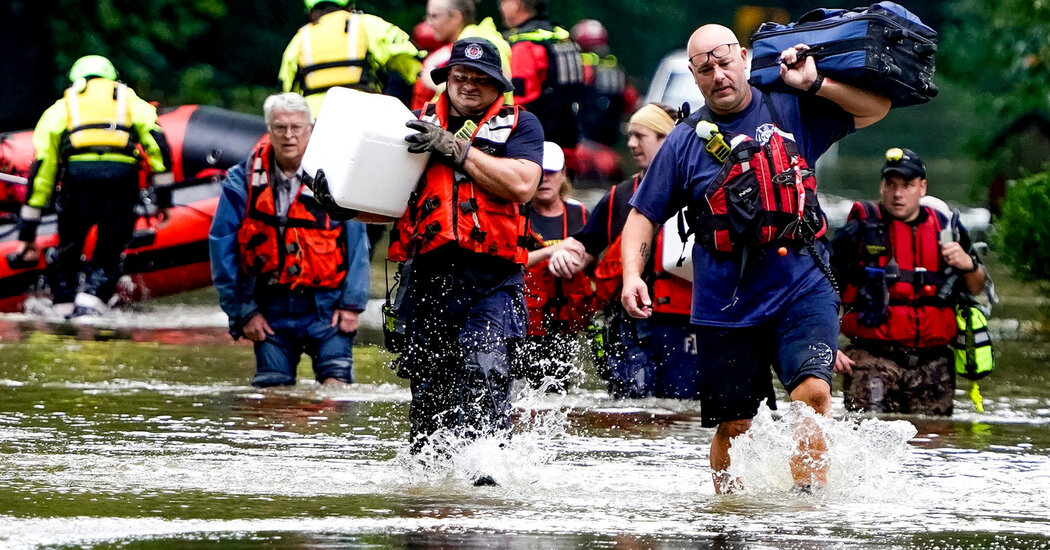
The relentless storm systems have impacted over 50 counties across Indiana, leading to significant disruption. Rushing floodwaters have inundated homes, submerged roadways, and overwhelmed shopping centers. In Indianapolis, the state capital, the White River burst its banks, posing a direct threat to various sections of the city and necessitating emergency rescues by boat in affected areas.
Governor Mike Braun characterized the event as one of the most geographically extensive weather incidents the state has experienced in years. According to Governor Braun, some regions recorded wind gusts reaching approximately 100 miles per hour during the storms. The U.S. Geological Survey reported that peak water flows broke a 113-year-old record for water height, underscoring the historical severity of the flooding.
In response to the escalating crisis, President Trump on Saturday approved Indiana Governor Mike Braun’s emergency declaration. This approval enables the allocation of federal disaster assistance through the Federal Emergency Management Agency (FEMA) to 53 counties in Indiana, providing crucial resources for recovery and relief operations.
The human toll of the storms has been significant. The Indiana Department of Homeland Security has confirmed seven storm-related fatalities within the state. Victims’ ages ranged from 4 to 86, with one victim’s age not yet released. Specific incidents include the death of a 4-year-old boy in Geneva after a tree fell on his home. In Delaware County, a teenager died after entering a river during the flooding on Wednesday. Additionally, one person died in Portage in an apparent home explosion, with emergency workers reporting that storm damage on roads impeded their response.
The State Emergency Operations Center has indicated that while the exact number of displaced residents remains undetermined, more than 200 individuals are currently housed in shelters across Indiana. These figures are expected to fluctuate as assessments continue and additional residents seek temporary housing.
Local communities have been particularly hard hit. In Noblesville, a city of 75,000 residents situated north of Indianapolis, Mayor Chris Jensen reported that more than 500 homes had been affected by the record floodwaters. Approximately 170 residents and their pets were evacuated from their properties to ensure their safety. Further south, in Fishers, Mayor Scott Fadness stated on Sunday that water rescue operations, which had been underway since Thursday, had concluded. On Saturday alone, emergency personnel rescued approximately a dozen individuals and their pets from areas near the White River. Mayor Fadness indicated a shift in focus, stating, “At this point, our rescue operations have concluded and we now turn our attention to recovery.”
The severe weather has not been confined to Indiana. Persistent rain and flooding have also impacted neighboring states, including Ohio, Kentucky, and Illinois. Officials in Ohio confirmed at least one weather-related death in that state.
While floodwaters are anticipated to recede in some parts of Indiana, allowing recovery efforts to proceed, weather warnings remain in effect. Forecasters predict that in southwestern Indiana, the heat index could reach 105 degrees Fahrenheit on Sunday, presenting an additional dangerous condition for residents and emergency workers. Furthermore, inclement weather is forecast across the broader region. Thunderstorms are expected to affect large areas of the Ohio Valley, Central Appalachians, and the Mid-Atlantic, elevating the risk of flash flooding. West Virginia, in particular, is anticipating two rounds of storms that could lead to flash flood conditions.
Amid the widespread damage, community members are stepping forward to assist. Josh Ryan, a resident of Carmel, Indiana, with professional experience in heating, cooling, and plumbing, has volunteered his services to pump water from flooded homes free of charge. Ryan expressed his motivation by noting the potential for predatory practices during such crises and his desire to help residents initiate the recovery process. “I’m not a government official. I don’t have millions of dollars,” he remarked in an interview, “But one thing I can do is help people get started.”
Why This Matters
The ongoing situation in Indiana and the broader Midwest underscores several critical global and local issues. The immediate impact of such widespread flooding is a humanitarian crisis, directly affecting thousands of lives through displacement, injury, and loss of life. Homes are destroyed, personal belongings are lost, and communities face the daunting task of rebuilding, often with significant emotional and financial strain.
Economically, severe weather events like these incur massive costs. Damage to infrastructure, including roads, bridges, and public utilities, requires substantial investment for repair and reconstruction. Businesses suffer disruptions, leading to lost revenue and potential job losses, while agricultural sectors can experience devastating crop and livestock losses. The approval of federal aid, such as that provided by FEMA, highlights the scale of financial assistance required to support recovery efforts, which can stretch over months or even years.
From an environmental and climate perspective, the increasing frequency and intensity of extreme weather phenomena, including heavy rainfall and severe storms, are consistent with projections related to climate change. This event serves as a stark reminder of the growing need for enhanced climate resilience, urban planning that accounts for altered precipitation patterns, and robust infrastructure capable of withstanding more extreme conditions. Communities must adapt to these changing realities, investing in flood defenses, improved drainage systems, and early warning mechanisms.
The response to the crisis also illuminates the vital role of emergency preparedness and coordination among various levels of government and community organizations. Effective communication, swift deployment of rescue teams, and the establishment of shelters are crucial in mitigating loss of life and providing immediate relief. Furthermore, the spirit of local solidarity, exemplified by individuals like Josh Ryan, demonstrates the essential role of community action in complementing official response efforts and fostering resilience from the ground up.
Ultimately, the events in Indiana are not isolated incidents but rather part of a global pattern of extreme weather impacting human societies. They necessitate a broader conversation about disaster risk reduction, sustainable development, and collective responsibility in addressing both the immediate consequences of such events and their underlying causes.