
Key Takeaways:
- Luxury Disruption via Factory Direct:Atoire secured $9.5M to directly connect consumers with high-end manufacturers, offering “slow fashion” quality at accessible price points by leveraging the same materials and craftsmanship as luxury brands, bypassing traditional markups.
- AI-Driven Supply Chain Revolution:The startup capitalizes on a shift where factories now design their own goods and use AI for demand prediction, enabling smaller, agile production runs, reduced overproduction, and greater diversification beyond a few large luxury clients.
- Personalized Shopping Experience:Atoire integrates AI not only for internal trend analysis and supply chain optimization but also on the consumer-facing side, with AI agents assisting in outfit building and learning shopper preferences, signaling a future where AI facilitates direct purchasing.
Atoire Secures $9.5M to Democratize Luxury, Marrying AI with Direct Factory Access
In a significant move poised to reshape the fashion landscape, Atoire, a burgeoning fashion startup, announced Thursday the successful close of a $9.5 million seed round. The impressive roster of investors, including a16z Speedrun, Night Capital, and Lightspeed Ventures’ Jeremy Liew, signals strong confidence in Atoire’s disruptive vision: bringing high-quality, ethically produced goods directly from luxury manufacturers to consumers, but without the prohibitive price tags associated with traditional high-fashion houses.
Atoire isn’t just selling clothes and accessories; it’s offering a paradigm shift. Shoppers browsing the Atoire website can acquire Italian leather handbags or meticulously crafted apparel made from the identical materials and produced in the very same factories that supply established luxury brands like Prada or Louis Vuitton. The critical difference? An Italian leather handbag, which would typically retail for thousands, is available for just a few hundred dollars on Atoire.
This innovative approach arrives at a pivotal moment in the fashion industry. The post-pandemic era has seen a surge in “dupe culture,” where consumers actively seek out affordable, near-identical replications of high-end goods. Simultaneously, the traditional luxury sector has faced increasing scrutiny and backlash, largely due to swift and often unjustified price hikes. For a generation of young consumers, the pursuit of smart, cost-effective alternatives has evolved beyond a mere economic necessity to become a status symbol in itself.
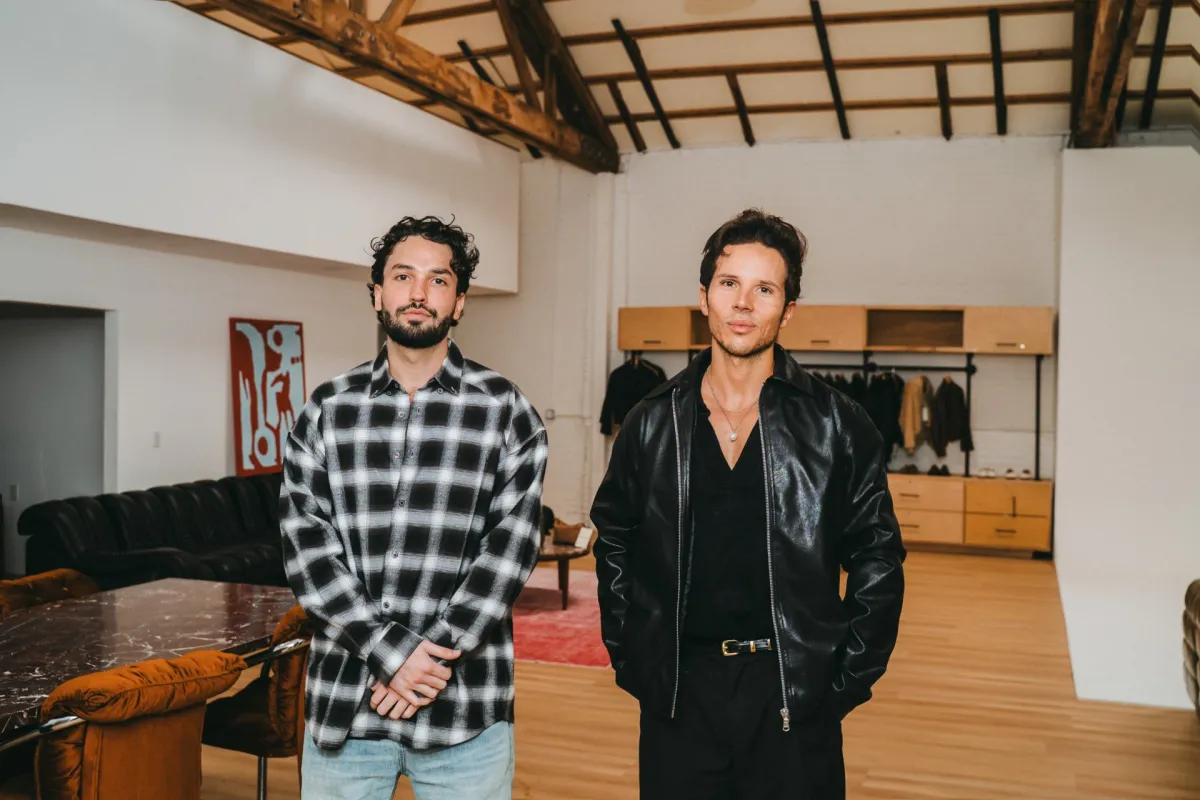
Yet, co-founder and serial entrepreneur Redouane Ramdani insists Atoire isn’t merely participating in dupe culture. “It’s the same material, same craftsmanship,” he emphasized. “It’s coming from the same factories.” This distinction is crucial; Atoire isn’t replicating designs but rather providing direct access to the quality source. Furthermore, Ramdani explicitly rejects the label of “fast fashion,” clarifying, “It’s slow.” This commitment to quality and longevity positions Atoire as an antidote to both the ephemeral nature of fast fashion and the exclusionary pricing of traditional luxury.
From Creator Platforms to Luxury Manufacturing: Ramdani’s Vision
Ramdani’s journey to Atoire is rooted in a unique blend of tech entrepreneurship and familial ties to luxury. Before co-founding Atoire, he successfully built and sold the creator platform Snipfeed in 2024. However, the seeds of Atoire were sown much earlier; growing up in France, surrounded by a family deeply embedded in luxury manufacturing, Ramdani always harbored a dream of one day contributing to the industry he admired as a child.
By the time he exited Snipfeed, the luxury manufacturing landscape had undergone a profound transformation. Traditionally, high-end brands like Ralph Lauren would bring their designs and materials to factories for production. This model, however, often necessitated large minimum orders, leading to overproduced inventory for brands. For factories, a reliance on a handful of major brand customers meant significant financial and inventory risk if orders were pulled or unsold goods accumulated.
“What’s changing is that the best factories increasingly have their own design and product-development capabilities,” Ramdani revealed to TechCrunch. “Instead of simply manufacturing someone else’s designs, they can develop products themselves, adapt them quickly, and produce in smaller batches.” This shift empowers factories to become innovators rather than mere executors.
AI: The Unseen Engine of Efficiency and Innovation
At the heart of this factory revolution, and Atoire’s operational efficiency, is artificial intelligence. AI algorithms are now capable of analyzing vast datasets to identify which products are most likely to sell out, allowing factories to commit to production runs with far greater confidence and precision. “That reduces overproduction and allows factories to diversify beyond a handful of large customers,” Ramdani explained. This technological leap dramatically mitigates risk for manufacturers, freeing them to collaborate with agile platforms like Atoire.
This evolving dynamic gave Ramdani the crucial insight needed to launch Atoire with co-founder Luis Angulo. Their startup harnesses AI to act as an intelligent intermediary, directly connecting these newly empowered luxury manufacturers with discerning consumers. Ramdani draws parallels to retailers like Quince, renowned for offering high-quality items at remarkably low prices, emphasizing the shared principle of direct sourcing and value.
“We are talking to a different generation who is coming back for things that are trendy but well-made,” Ramdani elaborated. He pointed out the growing consumer fatigue with pure fast fashion, particularly concerning its well-documented harmful environmental impact. Atoire positions itself as a sustainable, quality-conscious alternative that doesn’t compromise on style or affordability.
AI-Powered Personalization: Redefining the Shopping Experience
Atoire’s commitment to AI extends far beyond the factory floor. Ramdani envisions a future where AI agents fundamentally transform the entire shopping experience, allowing individuals to simply instruct AI to purchase items on their behalf. Within Atoire’s current operations, AI plays a multifaceted role: it analyzes fashion trends, tests product colorways for market appeal, estimates consumer demand, and even trains agents to predict material shortages, ensuring factories can proactively manage their stock.
On the consumer-facing side, the Atoire website features an interactive AI agent that can construct personalized outfits based on customer inspiration, whether it’s a specific celebrity, an aesthetic, or a mood. Over time, Atoire’s AI learns individual shoppers’ habits and preferences, offering tailored suggestions for future purchases. This proactive, intelligent personalization elevates the online shopping experience beyond traditional e-commerce.
The effectiveness of this AI integration is already evident. Ramdani noted that Atoire is seeing a measurable increase in sales referrals from leading AI platforms such as ChatGPT and Claude, hinting at a new frontier for digital commerce driven by conversational AI.
Ambitious Growth and the Future of Fashion
Atoire’s goal is ambitious yet clear: to become a high-quality, affordable alternative to mass-market retailers like Zara. The company’s rapid growth figures underscore its market resonance. Atoire closed last year with approximately $5 million in sales and is projected to reach an annualized run rate exceeding $55 million this year. “We are growing super fast,” Ramdani affirmed, highlighting the company’s current collaborations with over 40 factories worldwide, a testament to its expanding operational footprint.
The fresh capital injection will be strategically deployed to bolster logistics, develop more sophisticated AI tools, and scale production capabilities. Beyond its core offering, Atoire also plans to introduce its own in-house product line, akin to Amazon Essentials, further diversifying its portfolio. A particularly intriguing future initiative involves partnering with creators and influencers, empowering them to swiftly launch their own clothing lines, leveraging Atoire’s direct-to-factory and AI-powered infrastructure.
Bottom Line
Atoire represents more than just another e-commerce startup; it’s a potent force challenging the entrenched conventions of the luxury and fast fashion industries. By seamlessly integrating AI into both supply chain optimization and consumer experience, and by establishing direct, ethical relationships with high-quality manufacturers, Atoire is paving the way for a new era of “slow luxury” that is both accessible and responsible. Its rapid growth and substantial funding indicate a strong signal that consumers are ready for a disruption that prioritizes craftsmanship, value, and intelligent design over brand legacy and inflated prices. Atoire is not just selling products; it’s selling a smarter, more sustainable future for fashion.
When you purchase through links in our articles, we may earn a small commission. This doesn’t affect our editorial independence.
{content}
Source:{feed_title}