
Key Takeaways:
- Heightened Regulatory Scrutiny:The recall underscores the CPSC’s intensified focus on child product safety, particularly regarding button cell batteries, driven by legislation like the Button Cell Battery Safety Act (Reese’s Law), increasing compliance demands on manufacturers.
- E-commerce Platform Accountability:Amazon’s role as a distribution channel highlights the growing pressure on major online marketplaces to rigorously vet third-party sellers and their products, facing potential liability and reputational risks from safety failures.
- Significant Financial and Reputational Impact:Product recalls impose substantial direct and indirect costs on manufacturers, from refunds and logistics to brand erosion and potential legal action, emphasizing the critical importance of robust supply chain oversight and quality control in the competitive toy market.
CPSC Recall of 180,000 Finger Lights Underscores Heightened Regulatory Scrutiny on E-commerce, Child Safety, and Button Battery Risks
In a move reflecting increasingly stringent consumer safety regulations and the complexities of modern e-commerce, the U.S. Consumer Product Safety Commission (CPSC) has announced the recall of nearly 180,000 children’s finger light toys. Manufactured by California-based Cade California Electronic and sold extensively on Amazon, these toys pose a severe hazard due to easily accessible button cell batteries, which can cause chemical burns, serious internal injury, or even death if swallowed. This incident is not merely a product defect story; it’s a stark reminder of the evolving landscape of consumer product safety, the accountability of online marketplaces, and the financial ramifications for manufacturers in a globally interconnected supply chain.
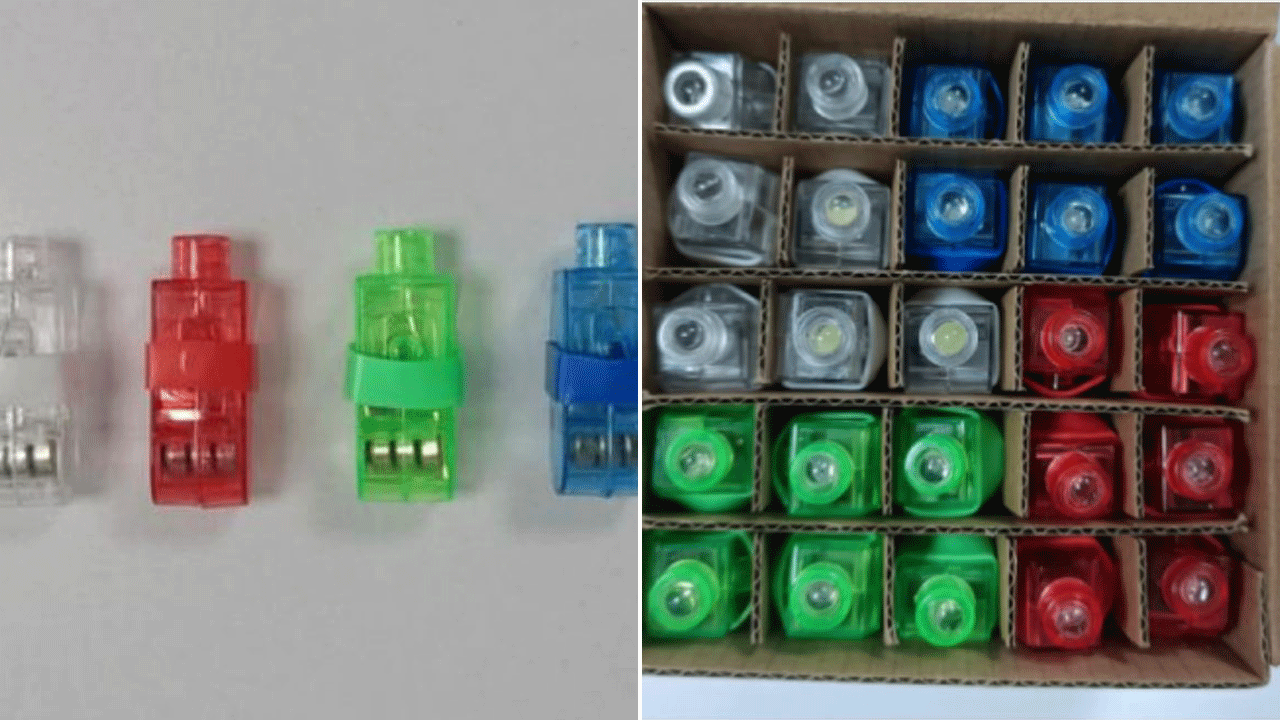
The recall targets 179,739 units of the light-up toys, which were available on Amazon’s vast platform from March 2015 through an unusually protracted period extending to July 2026. Priced between $5 and $16, these inexpensive novelty items, sold in packs of 50 in various colors, represent a significant volume in the children’s toy market. The CPSC’s mandate is clear: the toys violate mandatory safety standards specifically because their design allows young children to easily access and potentially ingest the button cell batteries. This critical flaw highlights a pervasive challenge in toy design and manufacturing, particularly for products with small, powerful energy sources that are appealing to children.
Hundreds of thousands of children’s finger light toys have been recalled by a California-based company because of a risk they could be swallowed, cause chemical burns and death, according to the U.S. Consumer Product Safety Commission.(CPSC / Unknown)
The severity of button cell battery ingestion cannot be overstated. When swallowed, these batteries can get lodged in the esophagus, nose, or ears, creating an electrical current that rapidly causes chemical burns to internal tissues. The consequences can be devastating, leading to perforations, major bleeding, and long-term health complications, even if the battery is removed. This grave risk has been a growing concern for consumer safety advocates and regulators, culminating in significant legislative action. The Button Cell Battery Safety Act of 2022, also known as Reese’s Law, mandates that all consumer products containing button or coin cell batteries be secured with a child-resistant enclosure and include warning labels. While this law primarily applies to products manufactured or imported after its effective date, this recall underscores the retrospective scrutiny and proactive measures the CPSC is taking against products that fail to meet these stringent safety expectations, regardless of their original sale date. This increased regulatory vigilance directly impacts the cost of compliance and the design pipeline for all relevant manufacturers.
The involvement of Amazon as the primary sales channel for these recalled toys also brings into sharp focus the increasingly complex issue of e-commerce platform accountability. As the digital marketplace continues its exponential growth, major platforms like Amazon host millions of third-party sellers, offering an unparalleled variety of products. This model, while beneficial for consumer choice and market efficiency, creates a challenging environment for ensuring product safety. While Amazon has mechanisms in place for seller compliance and product review, incidents like this recall raise critical questions about the adequacy of pre-market vetting, ongoing monitoring, and the speed of response when safety concerns emerge. The potential for platform liability, reputational damage, and calls for more direct responsibility in policing product safety on their sites are growing, influencing investor perceptions of e-commerce giants and their operational risks. Such events can prompt platforms to invest more heavily in AI-driven product screening and more rigorous seller verification processes, impacting their own operating expenses and potentially the ease of entry for small businesses.
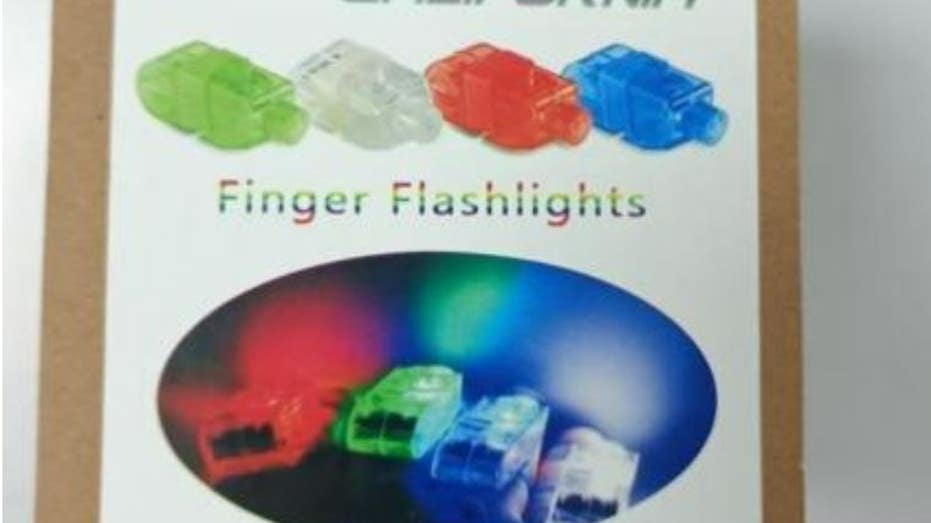
Cade California Electronic this week recalled 179,739 units of the light-up toys sold on Amazon between March 2015 and July 2026 for $5 to $16.(CPSC / Unknown)
For Cade California Electronic, a smaller, California-based company, the financial and reputational implications of this recall are substantial. Direct costs include managing product returns, issuing refunds, and potentially absorbing shipping and disposal expenses. Indirect costs, however, often weigh heavier: the erosion of consumer trust, damage to brand equity, and the potential for future sales losses. While there have been no reported injuries to date, the specter of potential future lawsuits remains, adding another layer of financial risk. This incident serves as a cautionary tale for all manufacturers, particularly those operating in the competitive children’s product market, about the critical importance of rigorous quality control, adherence to evolving safety standards, and robust supply chain management. Ensuring compliance is not just a regulatory hurdle; it’s an investment in brand longevity and consumer confidence, directly impacting a company’s financial viability and market standing. For smaller enterprises, such a recall can prove devastating, potentially leading to market exit or significant restructuring.
The broader toy industry, already navigating shifting consumer preferences and the rapid introduction of new technologies, faces ongoing pressure to prioritize safety. As topics like online dangers for children and the safety of emerging AI toys gain media attention, this recall reinforces the foundational principle that regardless of technological advancements, basic physical safety standards remain paramount. Consumers are increasingly discerning, demanding transparency and accountability from both manufacturers and retailers. This demand is translating into market behavior, where companies with strong safety records and ethical practices are likely to gain a competitive edge and attract investor interest, while those with repeated safety lapses may face market headwinds. The need for comprehensive risk assessments from design to distribution has never been more critical across the entire consumer product spectrum.
The U.S. Consumer Product Safety Commission said the toys violate the mandatory safety standard for toys.(CPSC / Unknown)
Parents and caregivers who have purchased these “Finger Flashlights” are urged to immediately take them away from children and contact Cade California Electronic for a full refund. Information on how to return the products and obtain a refund can typically be found on the CPSC website or by contacting the company directly. The CPSC also reiterates the hazardous nature of button cell batteries in general, advising consumers to dispose of or recycle them according to local guidelines, emphasizing a collective responsibility in mitigating these risks.
Market Impact:
This recall sends ripples across several market segments. Fortoy manufacturers, it signals an era of heightened regulatory oversight, particularly regarding components like button cell batteries, necessitating increased investment in product design, testing, and compliance frameworks. This could translate into higher production costs and a greater emphasis on supplier due diligence throughout global supply chains.E-commerce platformslike Amazon face intensifying scrutiny over their third-party marketplace governance, potentially leading to stricter vendor onboarding, enhanced automated product screening, and revised liability policies. This could impact seller acquisition rates and operational costs for platforms, possibly passing increased compliance burdens to third-party vendors. Forconsumers, awareness of product safety risks, especially concerning children’s items, will continue to grow, driving demand for brands with transparent safety credentials and pushing purchasing decisions towards trusted retailers.Investorsin the consumer goods and e-commerce sectors will likely integrate product recall history and robust safety compliance as critical factors in their risk assessments and valuation models. Companies perceived as lax in safety standards could see downward pressure on stock prices and reduced access to capital, while those demonstrating proactive safety measures may bolster their reputational equity and long-term market attractiveness. The incident reinforces the market’s evolving expectation for corporate responsibility extending beyond profitability to encompass comprehensive consumer protection and public safety.